
Uganda has stepped up efforts to safeguard its access to the lucrative United Kingdom market, with exporters of capsicum and sesame urged to tighten compliance with strict international standards or risk costly rejections.
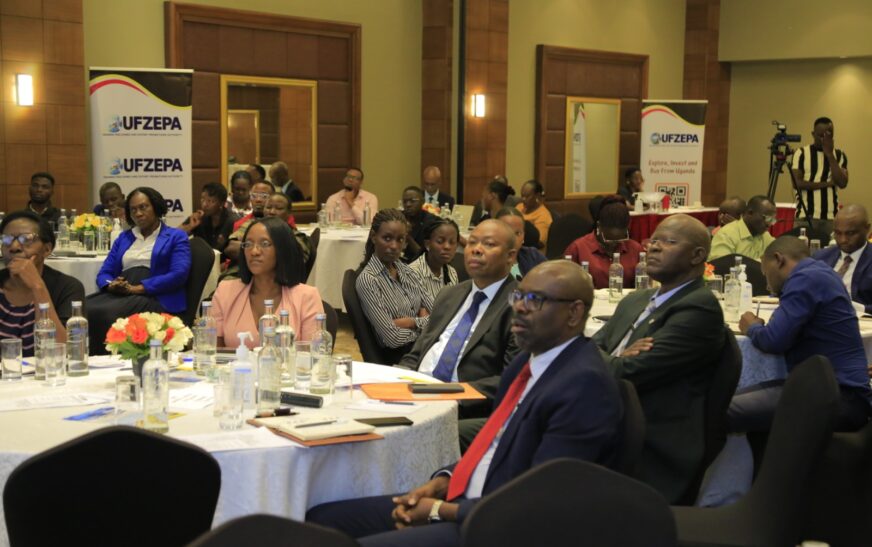
The Uganda Free Zones and Export Promotion Authority (UFZEPA) convened a high-level workshop in Kampala, bringing together exporters, regulators and development partners to address growing concerns over new UK import control measures targeting Ugandan produce.
Held at Sheraton Kampala Hotel, the awareness and capacity-building session comes in response to the United Kingdom’s retained Regulation 2019/1793, which imposes heightened inspection, testing and certification requirements on selected imports, including capsicum and sesame from Uganda.
The tougher rules have raised the stakes for exporters, with officials warning that failure to comply could result in border interceptions, rejected consignments and long-term damage to Uganda’s reputation in international markets.
Speaking at the workshop, Deogratius Masagazi, representing the Permanent Secretary at the Ministry of Trade, Industry and Cooperatives, said Uganda cannot afford to lose momentum in export growth due to avoidable compliance gaps.
“Uganda’s exports of goods and services have grown significantly, reaching USD 18.04 billion in the year to March 2026. Sustaining this growth requires strict adherence to quality standards and market requirements,” Masagazi said.
He noted that global markets are increasingly competitive and unforgiving, with buyers prioritising consistency, safety and traceability. For Uganda, he noted, compliance is no longer optional but a prerequisite for survival in international trade.
UFZEPA Executive Director Hez Kimoomi Alinda warned that every export consignment carries the country’s image, cautioning that even a single rejected shipment can erode buyer confidence and shut doors for other exporters.
“Capsicum and sesame support thousands of Ugandan farmers and exporters. But one interception at a foreign border can affect an entire value chain. We must turn compliance into a competitive advantage,” Alinda said.
He added that UFZEPA is intensifying efforts to prepare exporters through targeted training, market intelligence and partnerships aimed at strengthening Uganda’s export readiness in high-value markets.

The United Kingdom remains one of Uganda’s key export destinations, with trade ties continuing to deepen. According to Christine Mugoya, an economist at the British High Commission, Uganda exported goods worth approximately £475 million to the UK in 2025, underscoring the importance of maintaining access to the market.
“Compliance with food safety and quality standards is critical to sustaining this trade relationship and unlocking further opportunities for Ugandan exporters,” Mugoya said.
Technical experts from the UK’s Food Standards Agency, the Ministry of Agriculture, Animal Industry and Fisheries (MAAIF), the Uganda National Bureau of Standards (UNBS), and the Directorate of Government Analytical Laboratory Services took participants through the practical aspects of compliance.
The discussions covered inspection procedures, certification requirements, laboratory testing, and the importance of traceability systems in ensuring product integrity from farm to export point.
Exporters were also guided on how to minimise the risk of border rejections, including strengthening internal quality controls, improving documentation processes and adhering strictly to phytosanitary requirements.
Participants at the workshop included horticultural exporters, sesame traders, farmer organisations, laboratory experts and private sector players, reflecting the broad value chain involved in Uganda’s export ecosystem.
Officials said the engagement is part of a wider strategy to build a resilient export sector capable of meeting global standards while supporting Uganda’s industrialisation and export-led growth agenda.
As Uganda pushes to expand its footprint in international markets, authorities say the message to exporters is clear: comply, compete, or risk being locked out.