
Uganda’s drive to turbocharge economic growth and unlock private sector potential is at risk unless leaders move from talk to action, dfcu Bank has warned.
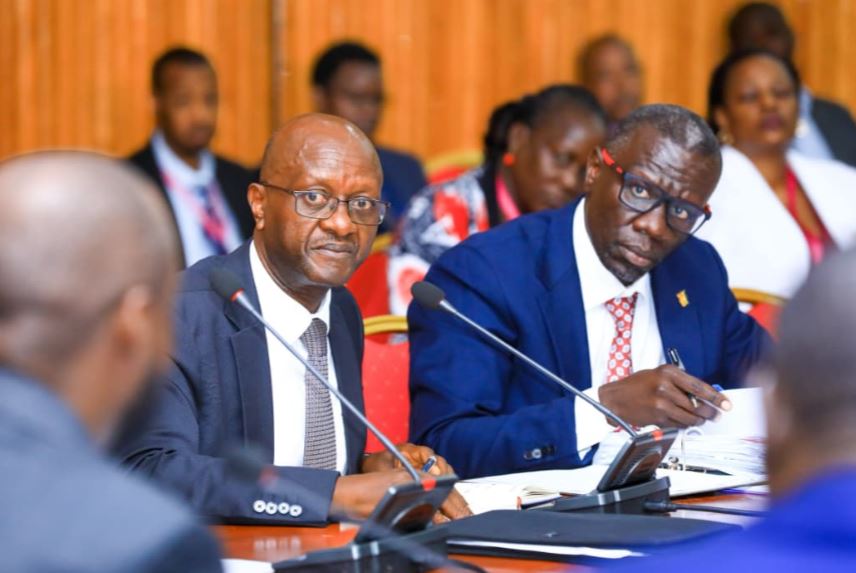
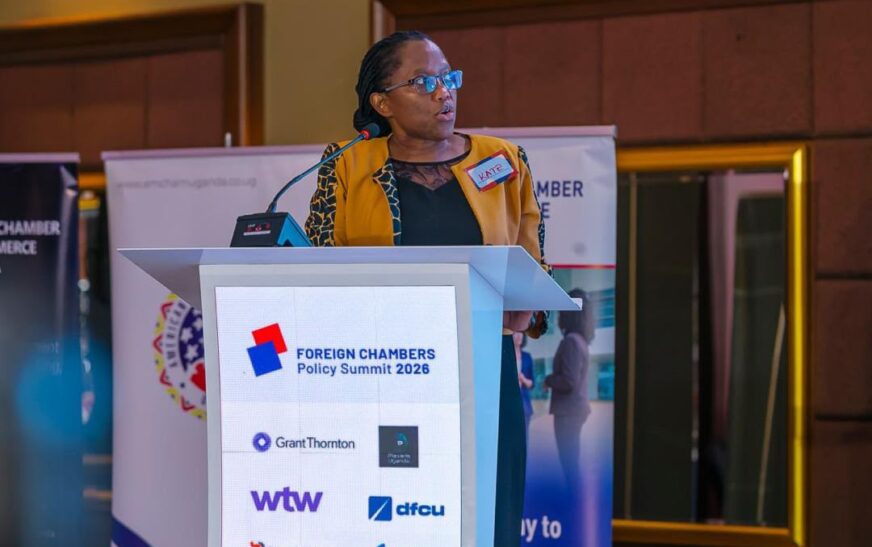
The warning was sounded during the Foreign Chambers Policy Summit in Kampala, which brought together government officials, investors, economists and private sector players to assess the FY2026/27 National Budget, labour reforms and new laws shaping the business environment.
Speaking at the summit, dfcu Bank Executive Director and Chief Corporate & Institutional Banking Officer, Kate Kiiza, said Uganda has made strides in policy formulation but is now grappling with a serious execution gap.
“Uganda has a strong vision for growth, but execution remains the defining challenge,” Kiiza said. “Without turning policy into action, the Tenfold (10x) Growth Strategy risks remaining just talk.”
She stressed that delivering real growth will require tighter coordination between government, financial institutions, development partners and the private sector.
“No single player can drive this transformation alone,” she said. “We need partnerships that align investment with national priorities and deliver tangible results.”
Access to affordable and flexible financing emerged as a key concern, especially for small and medium enterprises (SMEs), many of which are still locked out of suitable funding.
Kiiza said businesses need financing solutions tailored to their specific sectors and growth stages, rather than generic lending products.
“Growth cannot be financed through one-size-fits-all solutions,” she said. “Financial institutions must go beyond lending and become long-term partners to businesses.”
She noted that banks have a critical role in mobilising capital, supporting investment and helping firms navigate shifting market conditions, regional trade pressures and global economic uncertainty.
Kiiza said dfcu Bank is focusing on key sectors such as agriculture, manufacturing and trade, which are central to Uganda’s economic transformation.

Through a sector-based approach, the bank is combining financing with advisory support and industry expertise to help businesses scale sustainably.
The bank has also expanded specialised services including trade finance, structured commodity finance, working capital solutions, foreign exchange and treasury products to support business growth.
Kiiza added that these interventions are helping bring more Ugandans into the formal economy.
Sustainability is also taking centre stage, with Environmental, Social and Governance (ESG) considerations increasingly shaping investment decisions, particularly in renewable energy, climate resilience, water access and inclusive growth.
Kiiza urged stakeholders to move beyond discussions and focus on implementation.
“Policy direction is important, but it is execution that delivers results,” she said. “We must focus on practical actions that unlock capital, reduce investment risks and create a better environment for businesses.”
With over 60 years of experience, dfcu Bank reaffirmed its commitment to supporting Uganda’s economic growth. Established in 1964, the bank has played a key role in financing businesses and driving private sector development.
As it marks 62 years, dfcu says its impact is reflected in thousands of businesses supported through access to capital, advisory services and strategic partnerships.