
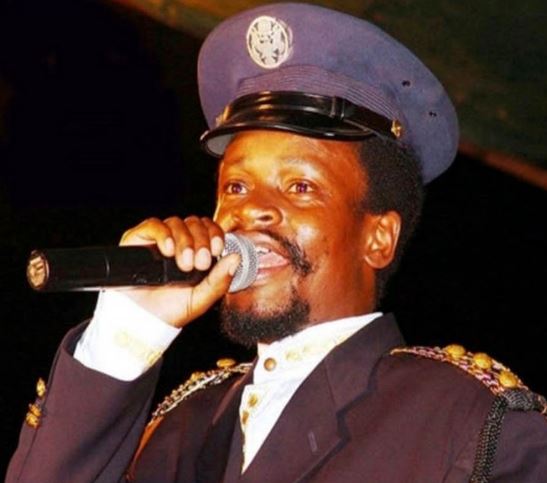
Results from a recent DNA testing exercise have confirmed that only four out of 25 children who had claimed to be offspring of the late Kadongo Kamu music legend Paul Kafeero are his biological children, bringing clarity to a long-standing paternity dispute.
Earlier this month, the government exhumed the body of the late Paul Kafeero to facilitate DNA sampling, in a bid to resolve longstanding paternity claims.
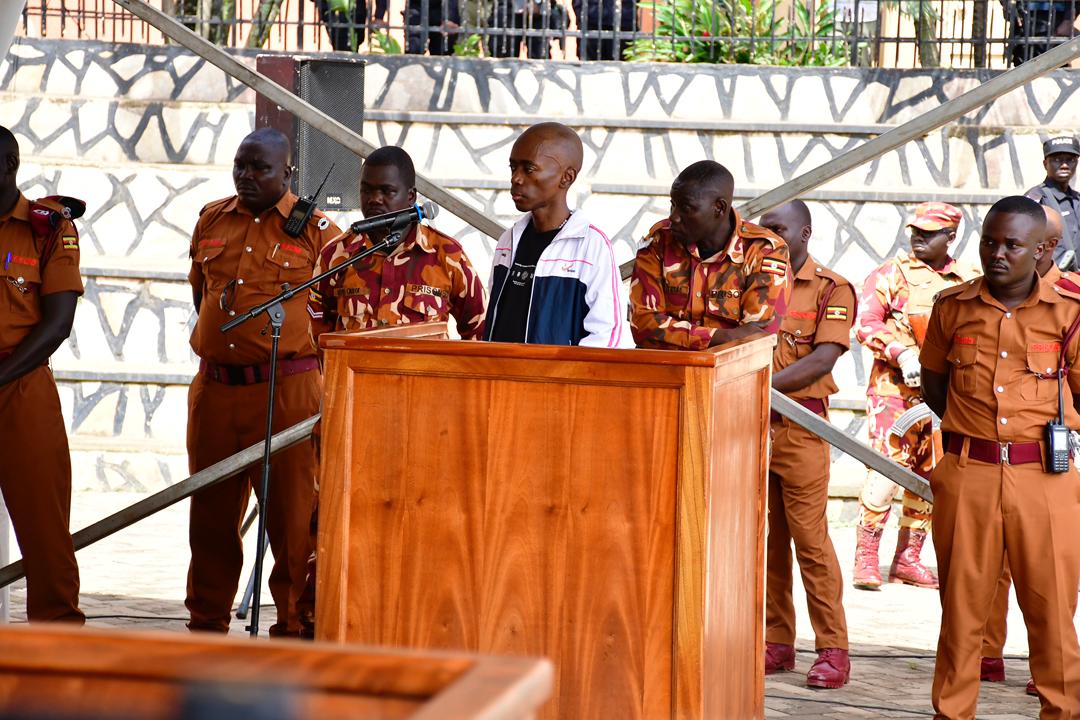
The exhumation was carried out by a team of pathologists led by Assistant Inspector General of Police Dr. Moses Byaruhanga, in accordance with a court order and established forensic procedures.
DNA results released earlier today confirmed that only four of the 25 individuals who submitted samples are biological children of the late Kafeero, significantly narrowing the list of his recognised heirs.
The process is being overseen by the Minister for Local Government, Balaam Barugahara; the Director of Forensics, Andrew Mubiru; and the Director of the Government Analytical Laboratory, Kepher Kuchana Kateu.
Those confirmed as Kafeero’s biological children are Benedicto Kafeero, Simon Peter Kafeero, Thomas Kafeero, and Elizabeth Nagawa.
The DNA samples were picked from 25 persons who include;Those tested included Thomas Kafeero, Simon Peter Kafeero, John Kafeero, Benedicto Kafeero, Aroon Nagawa, Elizabeth Nagawa, Phillip, Tonny, John Mark, Meddi, Godfrey Muwanguzi, Ssendi Shafik, Katumba Eric, John Martin Kafeero, Paul Ssentongo, Kate Nalukwago, Margaret Nakafeero, Nagawa, Grace Nalukwago, Leticia Nalukwago, Rehema Namulindwa, Tana Birungio, Joan Mirembe, Noelena Ssali and Mukiibi Kafeero.
The findings are expected to have far-reaching implications, particularly in the ongoing dispute over inheritance, and could finally bring closure to a matter that has lingered for years.
“This process was necessary to bring closure to the uncertainty that has surrounded Kafeero’s family for years,” a source familiar with the matter said. “While the results may be difficult for some to accept, they provide a scientific basis upon which decisions regarding the estate can now be made.”

Legal experts note that the findings will play a crucial role in determining inheritance rights, especially in cases where documentation has been scant or contested. With the DNA results now available, administrators of the estate are expected to proceed with greater certainty.
However, the revelations are likely to spark mixed reactions, particularly among those who have now been excluded. Some of the affected individuals are said to have raised concerns about the process, although no formal challenges had been filed by press time.
Paul Kafeero, widely regarded as one of Uganda’s most influential Kadongo Kamu artists, left behind a rich musical legacy that continues to resonate with fans across generations. His songs, often laced with social commentary and cultural wisdom, cemented his place in Uganda’s music history.
Despite his enduring fame, Kafeero’s personal life remained largely private, a factor that has contributed to the complexity of the current dispute. The confirmation of his biological children is expected to not only resolve inheritance questions but also redefine the narrative around his family lineage.
Authorities and family representatives are now expected to release an official statement outlining the next steps, including how the estate will be managed and distributed among the verified beneficiaries.
As the dust begins to settle, the DNA findings mark a turning point in a saga that has lingered for nearly two decades, offering a measure of closure while opening a new chapter for the late singer’s legacy.