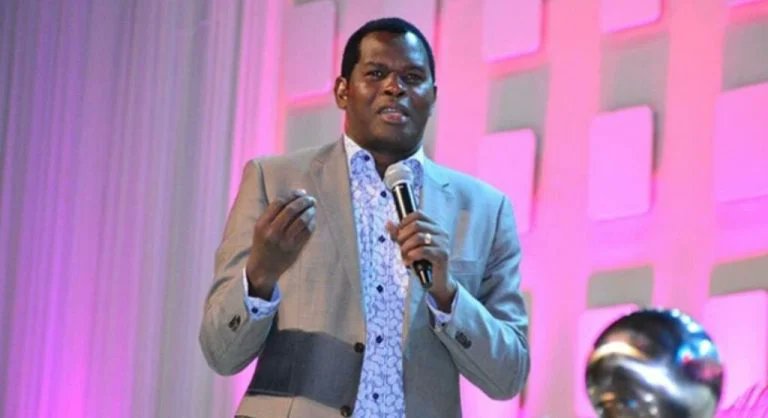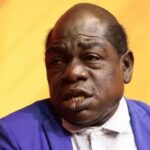

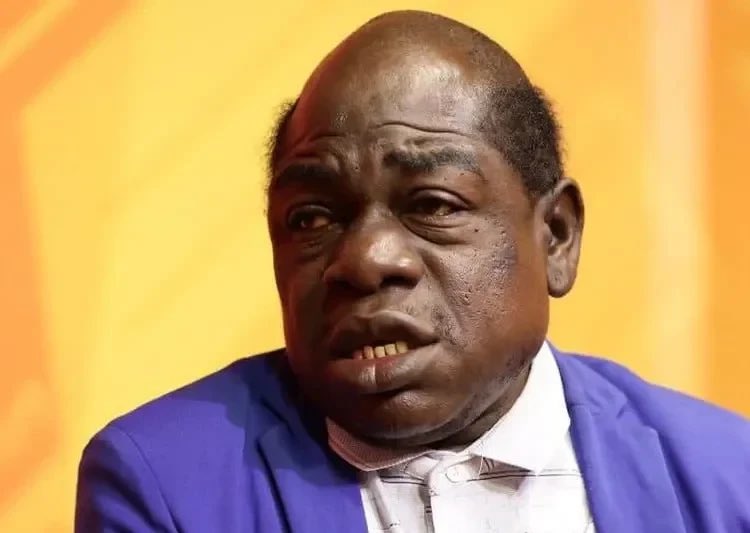
Ugandan comedian Yokana Mbuuse, popularly known as Kapere Lufotose, has died, bringing to an end a career in which he turned his distinctive appearance into a source of laughter, fame and livelihood.
The death of Kapere was announced on Sunday evening by National Unity Platform (NUP) president Robert Kyagulanyi, alias Bobi Wine, who described the comedian as a dear friend and comrade.
“A man who made every dark moment light. A man who loved his country and wished it well! A loss so difficult to take in,” Kyagulanyi said in a tribute shared on social media.
The circumstances surrounding Kapere’s death, including the cause and place of death, had not been established by press time.
Kapere, who rose to national prominence as a member of the Amarula Family comedy group, was among Uganda’s recognisable entertainers, using his physical appearance, facial expressions and stage antics to connect with audiences.
His fame was built partly around a nickname that, in everyday Luganda conversation, can refer to someone considered funny or unusual. Rather than shy away from the public attention his appearance attracted, Kapere embraced it and turned it into his professional identity.
In an interview with Daily Monitor in 2013, Kapere said he was proud of his appearance, arguing that it had helped him gain fame, make friends and earn a living.
“I am ugly and proud to be so,” he said, explaining that he might not have enjoyed the same level of recognition had he looked different.
From the streets to the stage
Kapere’s entry into comedy was largely accidental.
He previously recounted how he encountered a group of people watching a comedian shoot a commercial. Intrigued by the performance, he stopped to watch before continuing with his journey.
On his way back, a driver who recognised his comic potential encouraged him to meet comedian Amooti Omubalanguzi at Jenina’s Bar in Nakulabye, Kampala.
Although he initially had little understanding of how the comedy business worked, Kapere followed the advice and eventually found himself on stage.
His first performance left him confused when the audience burst into laughter. Amooti later explained that the crowd was responding to his appearance and stage presence.
Kapere gradually learnt how to use those reactions to his advantage, developing a performance style that made him a familiar face among Ugandan comedy audiences.
One of his early skits, titled Lufotoose, drew inspiration from a public war of words involving a prominent businessman and a Kadongo Kamu musician. The performance helped establish his reputation.
He subsequently became associated with the Amarula Family, a comedy outfit that included Amooti and Nicholas Mpiirwe, popularly known as Messe Bontwe.
Beyond live performances, Kapere appeared in music videos, including Bobi Wine’s Mr Money, in which he portrayed a wealthy man attempting to use money and material possessions to win a woman’s affection.
Beyond comedy

Kapere’s public profile extended beyond entertainment into politics and discussions about the challenges facing Ugandan comedians.
His association with Kyagulanyi brought him into the orbit of the political opposition. In 2025, he also attracted attention when he picked nomination forms to contest for a councillor position in Makindye under the NUP ticket.
His political interests reflected a public persona that was not limited to making people laugh.
Kapere also spoke openly about the difficulties comedians faced in sustaining themselves financially, despite the popularity of comedy in Uganda.
In October 2026, he lamented what he described as declining support within the comedy industry, saying some performers were struggling to make ends meet.
He questioned what had happened to the industry and called for reconciliation among comedians, including Kapale and Mariachi, whom he believed had unresolved differences.
His comments highlighted the economic uncertainties facing performers who depend on live shows and other entertainment engagements for income.
Kapere’s own career had also exposed the tension between public recognition and the struggle to secure consistent opportunities.
In February 2026, he criticised sections of the comedy fraternity for allegedly sidelining him, particularly over opportunities to perform at Comedy Store Uganda, a platform associated with comedian Alex Muhangi.
He questioned why some comedians would wait until his death to recognise his contribution instead of supporting him while he was still alive.
A life remembered
Kapere’s death has prompted tributes from people who remember him for the laughter he brought to audiences and his outspoken public persona.
For many fans, his story was also one of turning a characteristic that attracted ridicule into a means of earning a living. Rather than conceal what made him different, he built a career around it.
His journey from an inexperienced performer to a nationally recognised comedian demonstrated how an unconventional stage identity could become a valuable asset in the entertainment business.
While his performances entertained audiences, his public comments also drew attention to the difficulties faced by comedians trying to earn a living from their craft.
As tributes continue to emerge, Kapere leaves behind a body of performances and memories among fans who came to recognise him through his distinctive style.
Details of his burial arrangements and the circumstances surrounding his death had not been announced by press time.