
The planned retirement of 1,863 officers from the Uganda People’s Defence Forces (UPDF) is being presented as routine, another phase in a structured exit programme. But behind the numbers lies a deeper, carefully managed transition that is steadily reshaping the power architecture of Uganda’s military.
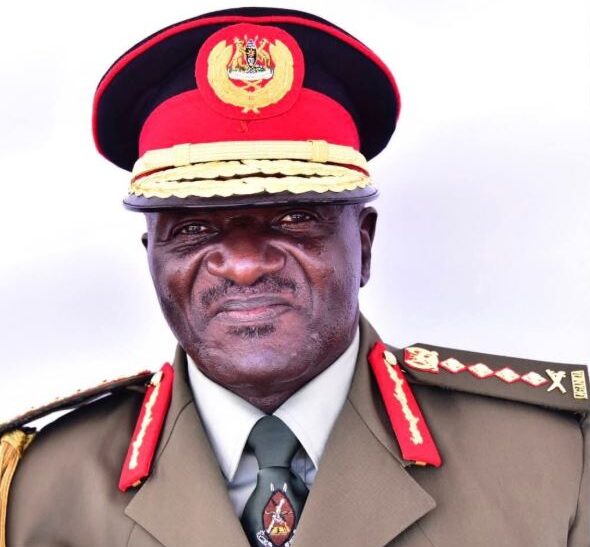
At the centre of this shift is former Chief of Defence Forces Katumba Wamala, one of the most recognisable faces of the UPDF and a bridge between the bush-war generation and the present command structure. His inclusion in the latest retirement batch, alongside at least 20 generals, signals more than a career milestone. It marks the gradual closure of a chapter that has defined Uganda’s security establishment since 1986.
A managed exit, not a routine one
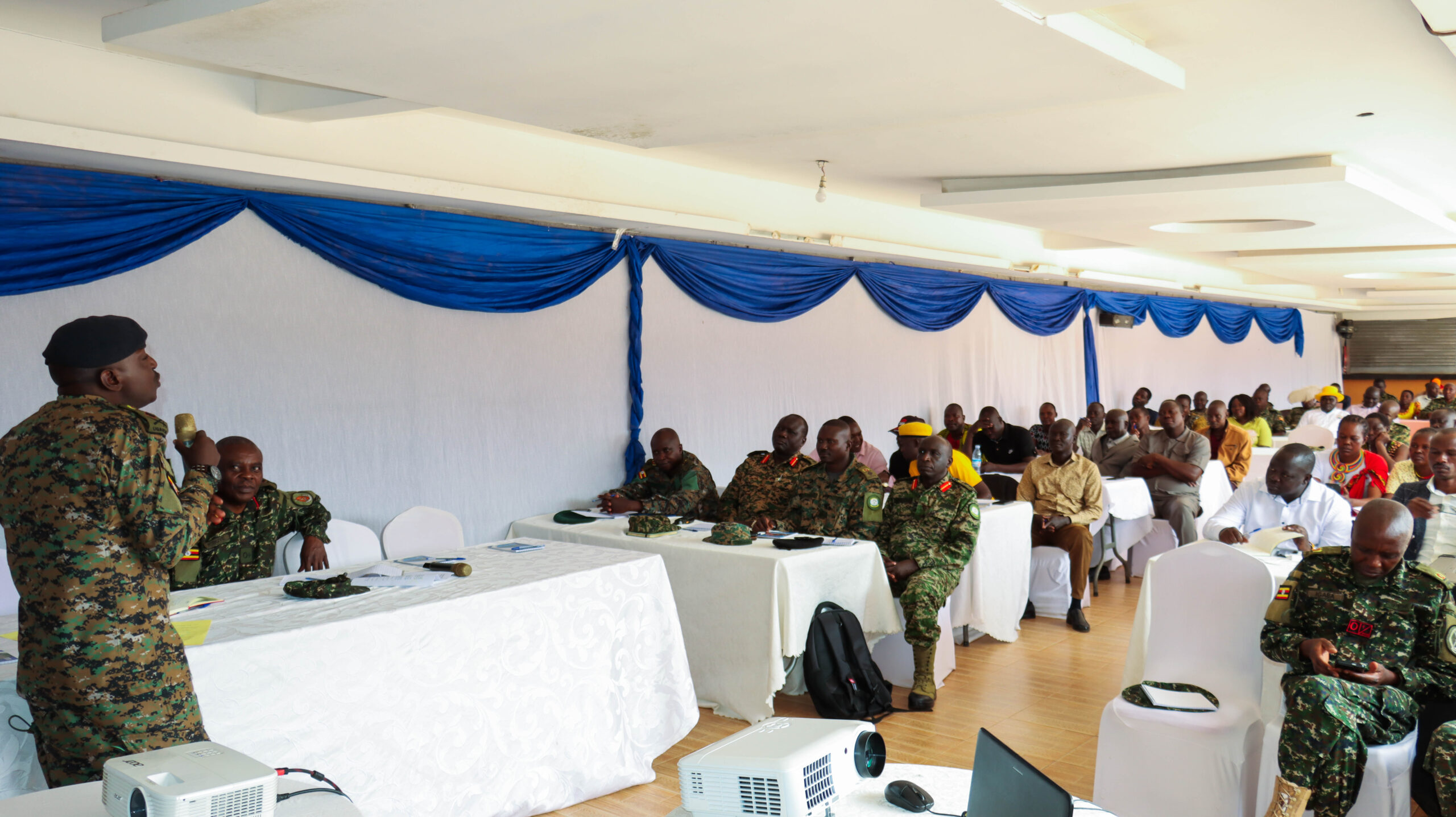
Officially, the UPDF describes the exercise as part of a long-standing effort to maintain a lean, professional and efficient force. Insiders, however, say the scale and profile of officers involved point to a more deliberate recalibration.
Over the past decade, the UPDF has undergone a subtle but consistent internal reorganisation. This has seen younger officers, many trained in newer warfare doctrines and with closer proximity to the current political core, steadily rise through the ranks.
The latest retirements, sources say, are designed to clear lingering bottlenecks at the top and formalise a transition that has been quietly underway.
The fading bush-war imprint
For nearly four decades, Uganda’s military command has been shaped by officers whose legitimacy is rooted in the National Resistance Army bush war that brought President Yoweri Museveni to power.
Figures such as Katumba, who crossed from the Uganda National Liberation Army to the NRA in 1986, came to embody that legacy, combining operational command with political trust. But that generation is thinning.
The retirement list includes senior figures such as Lt Gen Charles Otema, Lt Gen Charles Angina, Maj Gen Abel Kandiho, and Maj Gen Leopold Kyanda, officers who, in different ways, have been part of the system that defined the UPDF’s operational and intelligence posture over the years.
Their exit does not just create vacancies. It erodes a layer of institutional memory that has long anchored the force’s internal cohesion.
Power, loyalty and the next command
The critical question now is not who is leaving, but who consolidates power in their absence.
Over the years, promotions within the UPDF have increasingly reflected a blend of professional merit, strategic loyalty, and political calculation. Analysts note that as older commanders exit, the emerging leadership is likely to reflect a tighter alignment with the current political centre.
“There is a generational shift, yes, but also a consolidation of command,” says security analyst. “The new leadership is more centralised, more streamlined, and arguably more politically attuned.”

This raises questions about the balance between professional military autonomy and political influence, an issue that has long defined civil-military relations in Uganda.
Katumba’s symbolic exit
For Katumba, retirement from active military service is largely symbolic. Having long transitioned into civilian leadership, first as Inspector General of Police, later as Chief of Defence Forces, and now as Minister of Works and Transport, his influence has already extended beyond the barracks. Yet his departure from the UPDF register closes a significant loop.
He represents a generation of officers who navigated multiple transitions, from guerrilla warfare to a conventional military structure, from internal insurgencies to regional deployments, and from uniformed command to political office.
His exit, therefore, is not just administrative. It is emblematic.
Continuity or quiet rupture?
The UPDF has built a reputation as one of the more stable institutions in Uganda’s state structure, often projecting continuity even amid change. But transitions of this scale inevitably test that stability.
Will the new generation maintain the same internal cohesion?
Will the erosion of bush-war-era bonds weaken or modernise command structures?
And how will the evolving leadership navigate emerging security challenges, both domestic and regional?
For now, the official line remains one of order and continuity.
But within defence circles, the conversation is more candid. This is a quiet reset, one that is less about retirement and more about reconfiguring the future of military power in Uganda.
As the exits begin next month, the UPDF will not just be saying goodbye to its past. It will be negotiating the shape of its next command.