
A new UNAIDS report has warned that gains made in the global fight against HIV could be reversed, as sharp cuts in international funding and prevention services threaten to trigger a resurgence of the epidemic.
The report, released ahead of the 26th International AIDS Conference in Rio de Janeiro, Brazil, paints a picture of a fragile response, despite progress recorded over the past three decades.
While new HIV infections and AIDS-related deaths are at their lowest levels in more than 30 years, UNAIDS cautions that efforts to end AIDS as a public health threat by 2030 are now under serious threat unless global solidarity is restored and inequalities addressed.
In 2025, about 1.2 million people acquired HIV, with new infections rising in three regions and 21 countries. Nearly 9 million of the estimated 41 million people living with HIV were not on treatment, while almost half of children living with HIV lacked access to life-saving antiretroviral therapy.
More than 570,000 people died of AIDS-related illnesses during the year.
However, the report highlights that progress is still possible. Seven countries—Benin, Eswatini, Kenya, Lesotho, Nepal, Rwanda and Zimbabwe—have reduced new infections by nearly 80 percent since 2010. In addition, 11 countries have achieved the ambitious 95-95-95 treatment targets.
Funding collapse
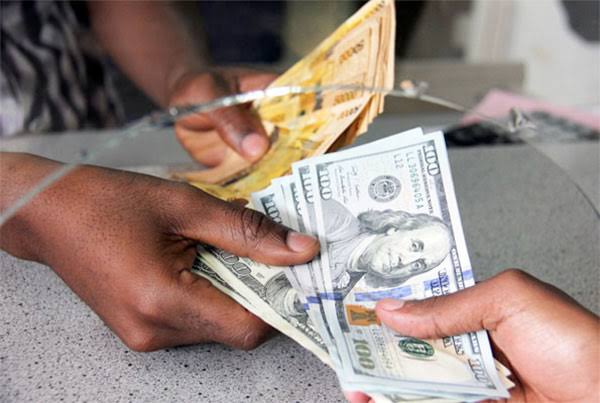
UNAIDS points to a sharp decline in global funding as a major threat to the HIV response. Overseas development assistance fell by 23 percent in 2025, the steepest drop on record, with HIV programmes among the hardest hit.
International financing for HIV dropped from $8.8 billion in 2024 to $7.3 billion in 2025, representing an 18 percent reduction and the lowest level in nearly two decades.
Many African countries, particularly those with high HIV burdens and debt pressures, rely heavily on external funding. In some cases, over 90 percent of HIV responses are financed through donor support.
“The era of relying on international aid is over,” said Winnie Byanyima, executive director of UNAIDS. “Countries cannot wait and they cannot go backwards. The world must urgently fix the broken financial system so governments can invest in health, education and the future of their people.”
Prevention programmes are especially vulnerable. In sub-Saharan Africa, about 80 percent of HIV prevention funding comes from international aid. Community-led organisations, which received up to a quarter of foreign HIV assistance in 2024, are now facing severe cutbacks.
Surveys show these groups reached up to 60 percent of marginalized populations and 22 percent of people living with HIV in some countries. Without sustained funding, UNAIDS warns that community-led services risk total collapse.
Funding for condoms has been slashed by more than 90 percent in some countries, while a 2026 study across 47 countries found steep declines in services—50 percent for prevention support, 85 percent for services targeting gay men, 82 percent for sex workers, and 72 percent for survivors of gender-based violence.
Innovation and access gap
The report also highlights major scientific breakthroughs in HIV prevention, including long-acting injectable medicines that offer near vaccine-like protection.

Monthly and six-monthly injections are beginning to enter the market, while monthly prevention pills are in late-stage trials. However, access remains highly unequal.
“Scientific breakthroughs are giving us tools that previous generations could only dream of,” Byanyima said. “But innovation without access is injustice. The real test is whether people who need these medicines can actually get them at an affordable price.”
Countries such as Brazil, Ethiopia, Uganda and South Africa are expanding access to prevention tools, with Brazil increasing uptake by 41 percent over the past year.
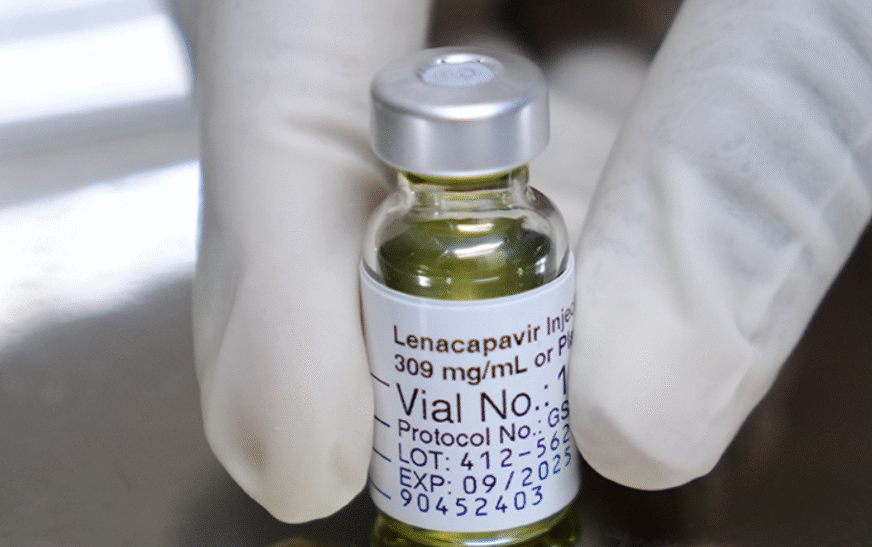
However, challenges persist. Despite participating in trials for the twice-yearly prevention drug lenacapavir, Brazil has not secured voluntary licensing to allow cheaper generic versions and is considering compulsory licensing.
UNITAID and the Global Fund, alongside partners, aim to roll out lenacapavir to 3 million people by 2028. Yet UNAIDS estimates that at least 20 million people need access to antiretroviral-based prevention to significantly reduce new infections.
Human rights concerns
Beyond funding and access, UNAIDS warns that rising criminalization and human rights violations are undermining the HIV response.
In 2026, 168 countries criminalized sex work, 152 criminalized possession of small amounts of drugs, 66 criminalized same-sex relationships, and 14 criminalized transgender people.
New laws in countries such as Burkina Faso, Niger and Senegal have further tightened restrictions on same-sex relations.
“You cannot end AIDS while criminalizing people most at risk,” Byanyima said. “When people fear arrest or discrimination, they stay away from services. Human rights are essential to ending AIDS.”
Despite these setbacks, there are signs of renewed global commitment. In June 2026, 149 countries adopted a Political Declaration on HIV and AIDS aligned with the UNAIDS Global AIDS Strategy 2026–2031.
The targets include putting 40 million people on treatment and ensuring 20 million have access to prevention by 2030. They also aim to reduce stigma, discrimination, gender inequality and punitive laws to below 10 percent globally.
If achieved, UNAIDS estimates the targets could prevent 3.2 million new infections and 1.3 million AIDS-related deaths by 2030.
“Ending AIDS is still within reach,” Byanyima said. “The choice is clear: retreat and risk resurgence, or act decisively to rebuild and end AIDS as a public health threat.”