
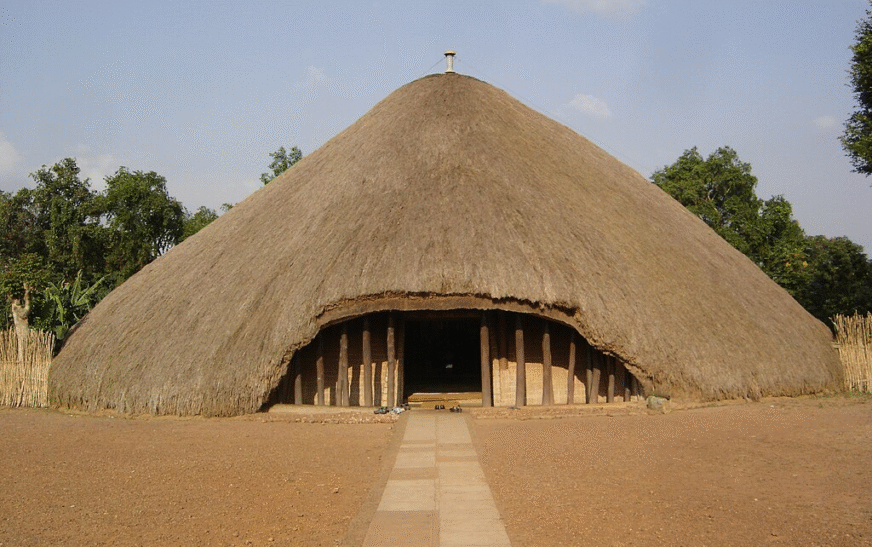
The Buganda Kingdom has officially commissioned the restored Kasubi Royal Tombs following the completion of renovation works at the historic cultural site.
The restored tombs were commissioned today at a ceremony officiated by Buganda Katikkiro Charles Peter Mayiga, who commended the people of Buganda, the central government and other individuals and organisations that contributed to the restoration of the site.
The restoration follows the devastating fire that destroyed the main tomb and surrounding structures in March 2010, prompting the Kingdom to embark on rebuilding the sacred site.
In December 2025, Mayiga announced that the renovation works had been completed, paving the way for the official commissioning of the restored tombs.
The Kingdom also received a Shs 2 billion contribution towards the restoration works in August, adding to the resources mobilised to rebuild the historic site.
Following the fire, President Yoweri Museveni pledged support from the central government towards the reconstruction of the tombs.
Reconstruction works commenced in 2014 with funding support from the government of Japan. The total cost of the restoration project has since risen to Shs 13 billion.
The fire dealt a major blow to one of Buganda’s most important cultural and spiritual sites. Following the destruction, the Kasubi Tombs were placed on the list of World Heritage Sites in Danger.
Located in Kampala, the Kasubi Tombs are the burial grounds of four Kabakas of Buganda and other members of the royal family. The site remains an important spiritual and cultural centre for the Baganda and is recognised for its distinctive traditional Ganda architecture.

The original Kasubi structure was built in 1882 by Kabaka Muteesa I and became an official royal burial ground in 1884.
In December 2001, the site was designated a UNESCO World Heritage Site in recognition of its cultural significance and remarkable construction using organic materials.
Kasubi is among 31 royal tombs scattered across the Buganda Kingdom, which traces its establishment to the 13th century.
Traditionally, the burial of a Kabaka involved separating the burial place of the body from the shrine where the king’s jawbone was kept. The jawbone was traditionally believed to contain the soul of the deceased king.
The restoration of the Kasubi Tombs therefore represents not only the reconstruction of a physical structure but also the preservation of an important institution in Buganda’s cultural heritage.
The commissioning marks the completion of a 12-year reconstruction effort that followed the 2010 fire and restores the site as a major cultural and historical landmark for Buganda and Uganda.