
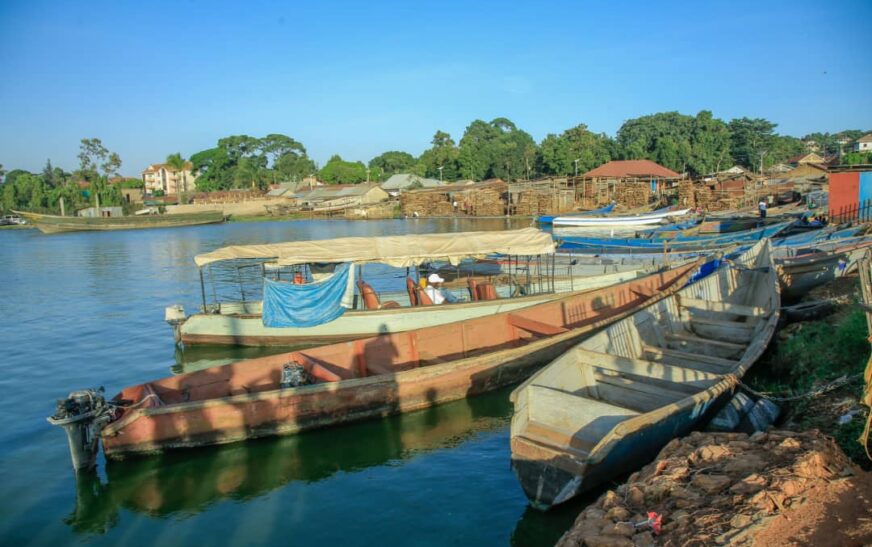
Limited access to accurate information on family planning and widespread misconceptions are fueling unsafe abortions at Nakiwogo landing site, Daily Star has learned.
Unsafe abortion remains a major reproductive health challenge, accounting for about 7.9% of global maternal deaths and 9.6% in East Africa. In Uganda, approximately 8% of maternal deaths are attributed to unsafe abortions. Research findings from 2023 further indicate that nearly 10% of maternal deaths in the country are linked to unsafe abortion.
Abortion among adolescents also remains a critical public health concern in Uganda, with far-reaching social, health, and economic implications. An estimated one in four Ugandan women above the age of 19 experiences pregnancy between the ages of 15 and 19.
Out of every ten women at the landing site who said they were aware of family planning methods, eight admitted that their decisions are influenced by misinformation, exposing them to the risk of unintended pregnancies and unsafe abortions.
During a community “Musawo” session, women shared personal experiences and concerns, highlighting significant gaps in knowledge about preventing unwanted and unintended pregnancies. Many participants said they rely on hearsay and myths when making reproductive health decisions.
Dr Enock Cedikol of Family Medical Point said early sexual activity, limited access to comprehensive sex education, restrictive laws, and stigma continue to push adolescents into unsafe practices.
“Limited access to safe services forces many to resort to dangerous methods, leading to severe complications and high maternal mortality,” he said.
Participants cited several misconceptions, including beliefs that family planning methods cause cancer and long-term health complications—claims Dr Enock said are medically unfounded.
He also appealed to teaching hospitals to strengthen training for medical students in sexual and reproductive health, noting that equipping future health workers with practical skills is critical to improving the quality of care.
The session focused on explaining how different family planning methods work, while addressing fears and misconceptions that often discourage women from seeking services. Health educators emphasised the importance of accurate information in empowering women to make informed choices.

Nankya Jane, a fish monger at the landing site, said there is a significant information gap on family planning and abortion, particularly in fishing communities.
“A handful of us believed that continuous use of family planning leads to barrenness, especially among young girls, but we have learned that this is not true,” she said.
She added that more community trainings are needed to curb unsafe abortions.
“Because of the information gap, some women resort to crude methods of abortion, which can lead to death,” she said.
The women also called for targeted education programmes for adolescent girls, saying early access to reproductive health information could help reduce unwanted pregnancies, unsafe abortions, and school dropouts.
Polyne Nabwire, Head of Programmes at Family Medical Point, called on the government to review restrictive laws on access to safe abortion services, arguing that this could reduce complications and deaths linked to unsafe procedures.
“Government and development partners should invest in training more health workers to provide stigma-free sexual and reproductive health services, especially in underserved communities such as landing sites,” she said.
The Musawo session is part of ongoing community outreach efforts aimed at improving access to reproductive health information and services among vulnerable populations.