
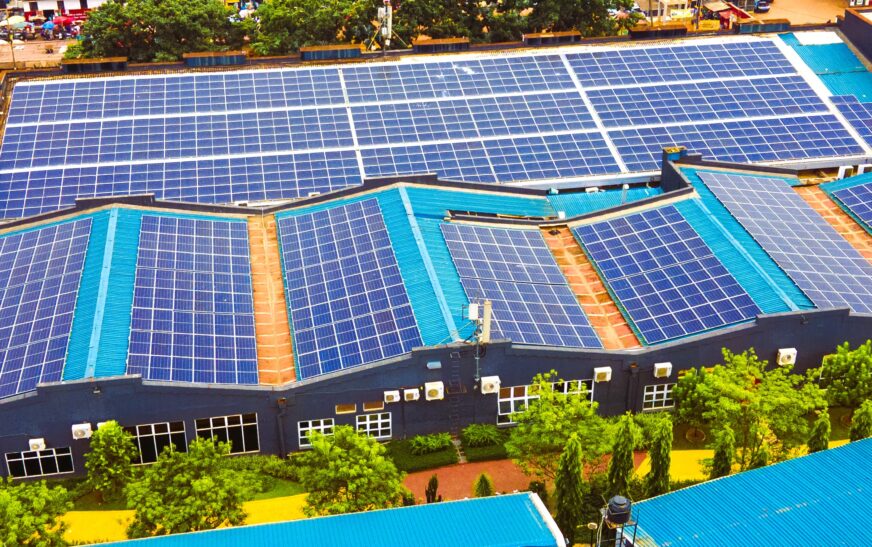
MTN Uganda has commissioned a state-of-the-art solar power system at its headquarters in Kampala, marking a significant step in its drive to reduce carbon emissions, improve energy efficiency and cut reliance on conventional power sources.
The installation, valued at more than $370,000, comprises 1,188 solar panels with a total installed capacity of 490 kilowatts (kW). At peak sunlight, the system is expected to supply about 25% of the headquarters’ electricity demand.
The project was unveiled during MTN Uganda’s inaugural Sustainability Week, underscoring the telecom’s growing focus on environmental responsibility alongside business growth.
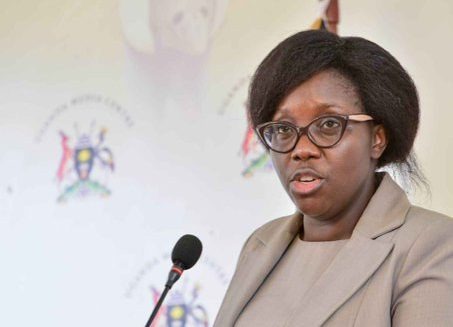
MTN Uganda Chief Executive Officer Sylvia Mulinge said the investment reflects the company’s commitment to building a more resilient and future-ready business while supporting environmental protection.
“MTN Uganda believes that everyone needs to enjoy the benefits of a modern, connected life. However, we are equally focused on building a business that is resilient, future-ready and responsible,” Mulinge said. “This investment reflects our commitment to reducing our environmental footprint while continuing to deliver reliable and efficient services to our customers.”
She added that sustainability has now become a core pillar of MTN’s operations, shaping how the company invests, innovates and runs its day-to-day business.
The solar project forms part of MTN Group’s wider “Project Zero” initiative, launched in 2021, which targets net-zero emissions by 2040 in line with the Paris Climate Agreement’s goal of limiting global warming to 1.5°C.
According to the company, MTN Uganda has already reduced its greenhouse gas emissions by 43% compared to its 2021 baseline, driven by a shift to cleaner energy sources and improved operational efficiency. More than 90% of its network sites are now powered by renewable or low-carbon energy, including hydroelectric power, solar systems and lithium-ion battery storage.

At its headquarters, the company has rolled out additional sustainability measures, including the replacement of fluorescent lighting with energy-efficient LED systems, alongside staff-led recycling and waste segregation initiatives.
In 2022, MTN Uganda recycled about one tonne of paper through Global Paper Industries in Mukono District, as part of its broader waste reduction strategy. The company has also transitioned largely to paperless operations, with digital document processing and e-signatures now widely adopted.
MTN Uganda has further extended its green agenda through its partnership with Kiira Motors Corporation, supporting the advancement of electric mobility in Uganda. This has included backing a 13,000-kilometre electric bus expedition across Africa, as well as transporting shareholders to its Annual General Meeting using the locally developed Kayoola electric coach.
Company executives said the solar installation positions MTN to better manage rising energy demand, cost pressures and increasing expectations for businesses to adopt sustainable practices while maintaining service reliability.
Across Africa, companies are accelerating investments in renewable energy as they respond to high electricity costs, climate risks and tightening environmental regulations and investor scrutiny.
MTN Uganda’s latest investment adds to its broader strategy of embedding sustainability into core operations while supporting the continent’s transition towards cleaner and more efficient energy systems.