
Ndere Cultural Centre has launched an initiative to digitize Uganda’s cultural heritage and introduce indigenous knowledge into primary schools through the Uganda Primary Schools Cultural Digitisation and Musicality Festival.
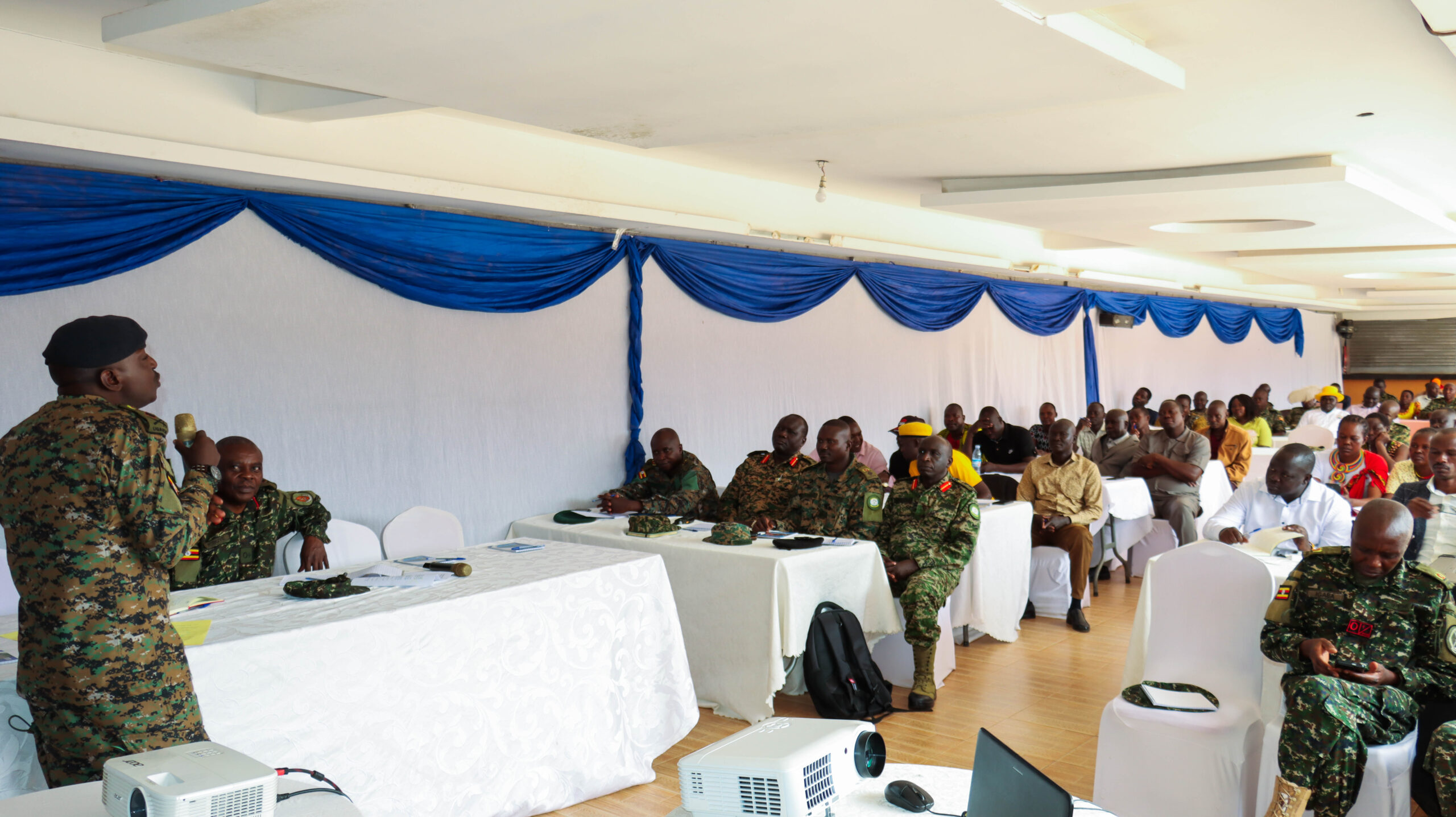
The programme, unveiled during a Culture Consultation Group workshop at Ndere Cultural Center in Kampala, seeks to record cultural knowledge from elders, build a digital archive and develop learning materials that will help children study Uganda’s languages, music, dance, food, traditions and other aspects of indigenous life
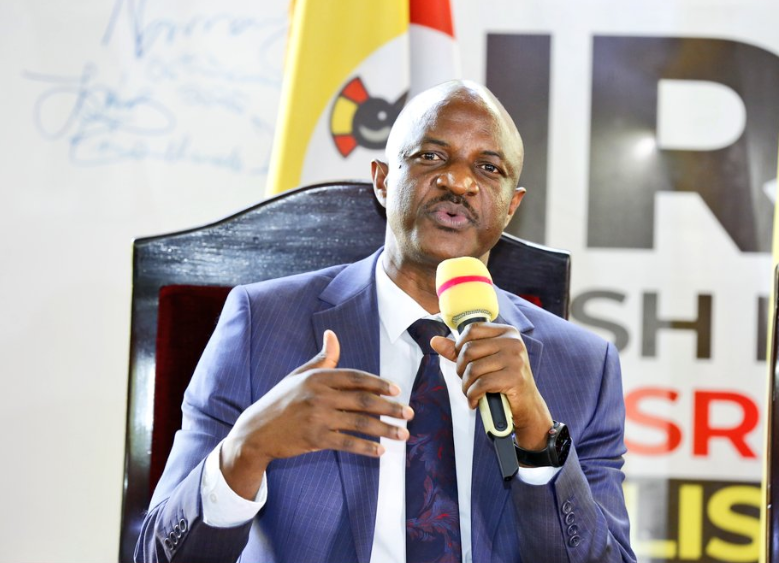
Founder Stephen Rwangyezi said the initiative marks a new phase in Ndere’s 42 year effort to preserve Uganda’s heritage by making it accessible through technology and education.
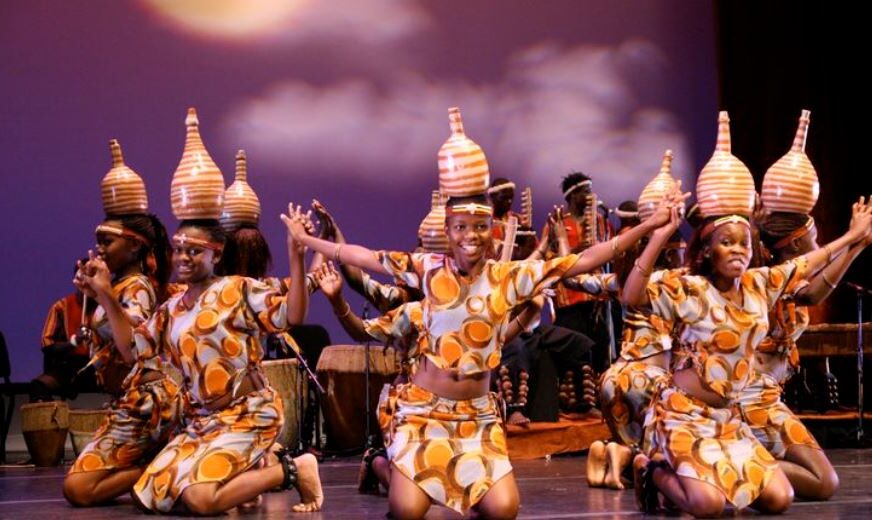
“For 42 years we have been working on this tirelessly. When we say culture, it is not only dance. We are also talking about food, architecture, clothes and many other areas. That is why we are now saying civilisations, not just culture,” Rwangyezi said.
He said the project will begin by documenting knowledge held by elderly Ugandans, whom he described as living encyclopedias whose wisdom risks disappearing if it is not recorded.
“The first aspect is recording and recapturing the knowledge from the remaining working encyclopedias, the remaining elders who are still out there,” he said.
According to Rwangyezi, the recorded information will then be processed into a searchable digital archive instead of remaining as unorganised stored material, allowing users to easily find specific cultural practices, songs or customs from different communities.
“Archiving is different from storage because now we process it into accessible content. If I am looking for a marriage song of the Iteso or marriage customs of the Baganda, I only need to click and that is the only thing that will come out,” he said.
The archived content will later be converted into teaching resources for schools, cultural clubs and researchers before being introduced into classrooms across the country. Pupils will showcase what they have learned through the Uganda Primary Schools Cultural Digitisation and Musicality Festival.
Rwangyezi said the involvement of the Ministry of Education and Sports is central to the programme because schools provide the most effective platform for reaching children.
“Because the competition is in schools, it was imperative that the Ministry of Education comes on board to allow us into the schools, introduce us to their structures and systems, and facilitate us to make sure that the festival succeeds,” he said.
The Uganda Communications Commission is supporting the project’s digital infrastructure, while the Ministry of Education and Sports and the Ministry of Gender, Labour and Social Development are implementing partners.
Rwangyezi said the ambitious programme will require additional financial and technical support to document cultural heritage across Uganda’s many communities.
“We are looking for other partners because this is huge. No single entity can fund it sufficiently and no single entity can provide the infrastructure in which it will work. Culture goes into every aspect of our life,” he said.
He added that the long term goal is to create a comprehensive digital library of Uganda’s indigenous knowledge that grows every year as more cultural traditions are documented.
“We are hoping that this can become an annual event and every year we tackle different aspects of the culture until we have a full library of the indigenous knowledge that exists in Uganda,” he said.
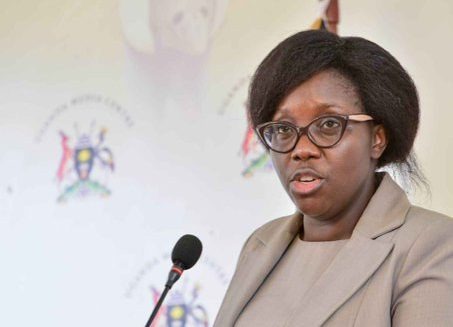
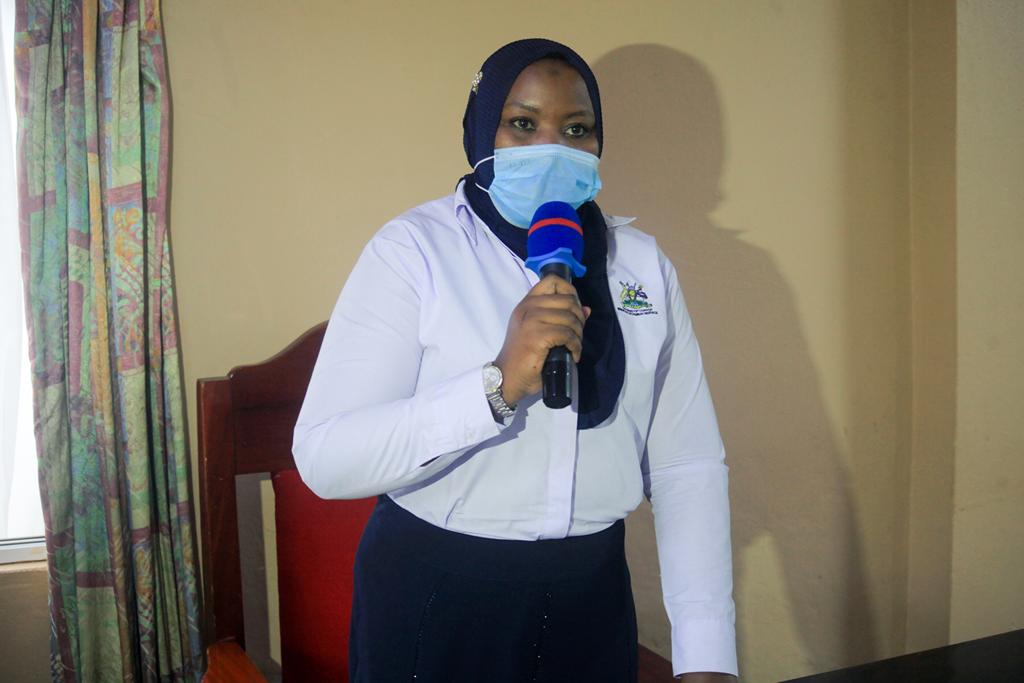
Speaking at the workshop, State Minister for Gender and Culture Mary Kamuli Kuteesa described the programme as an important milestone in preserving Uganda’s heritage for future generations.

“Today is a very impressive day in the life and history of this country because we gathered at the Ndere Centre to start the digitalisation journey of Uganda’s culture,” Kuteesa said.
She said the initiative presents an opportunity to use technology to strengthen young people’s connection to their cultural identity rather than allowing digital platforms to distance them from their heritage.
“The arrival of phones and technology requires that we know our identity and put it into the phones and into the technology,” she said.
Kuteesa urged institutions to embrace social media platforms such as TikTok and Instagram as channels for sharing cultural content with younger audiences.
“We must find the linkage of how we bring our culture to these platforms as a bridge that transmits them to our children’s mindsets, actions and real life,” she said.
The minister also stressed the importance of documenting knowledge held by older generations before it is lost.
“When we lose an older person, all the knowledge that sits with him will be lost. What do we lose if we have it written? There is a reference somewhere,” she said.
Kuteesa called on schools to become active centres for cultural learning, arguing that children spend most of their time in the education system and should not be disconnected from their heritage.
“We must bring the culture back to school. Our children are most of their year and most of their day in school. If they don’t learn what they should learn in school, they will never learn it,” she said.
She also encouraged schools to stop discouraging children from speaking indigenous languages and urged parents to reinforce cultural learning at home.
“Speaking English doesn’t make you more intelligent. It is just another tool, another language. But do not allow it to disconnect you from who you are,” she said.
Kuteesa said Uganda’s cultural diversity should be used to promote unity and create economic opportunities through cultural tourism, heritage products and creative industries.
“Let us use our diversity not to cause confusion or disunity, but to enjoy our diversity and each of us make money with our diversity,” she said.
The Uganda Primary Schools Cultural Digitisation and Musicality Festival will become an annual programme that expands the country’s digital repository of indigenous knowledge while giving pupils a practical platform to learn and celebrate Uganda’s diverse cultural heritage.