
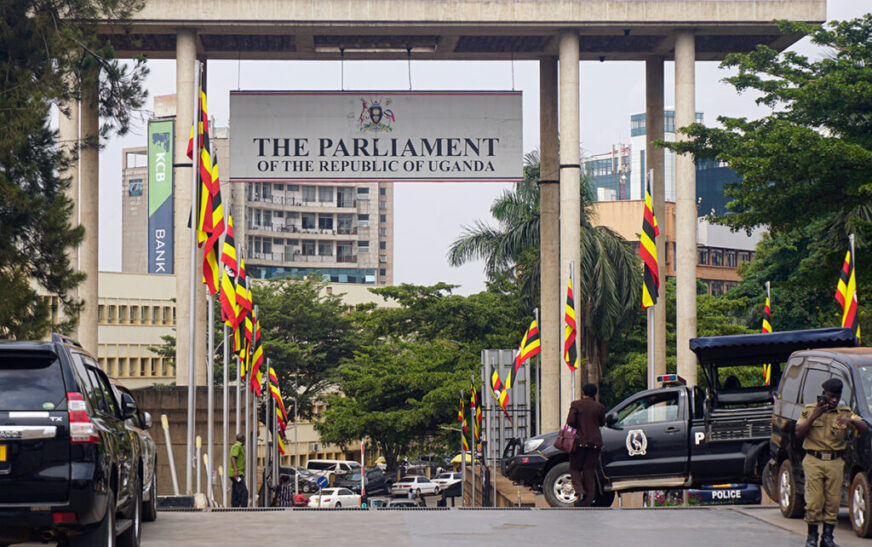
Parliament is set to debate the controversial Sovereignty Bill following the completion and adoption of a joint committee report over the weekend.
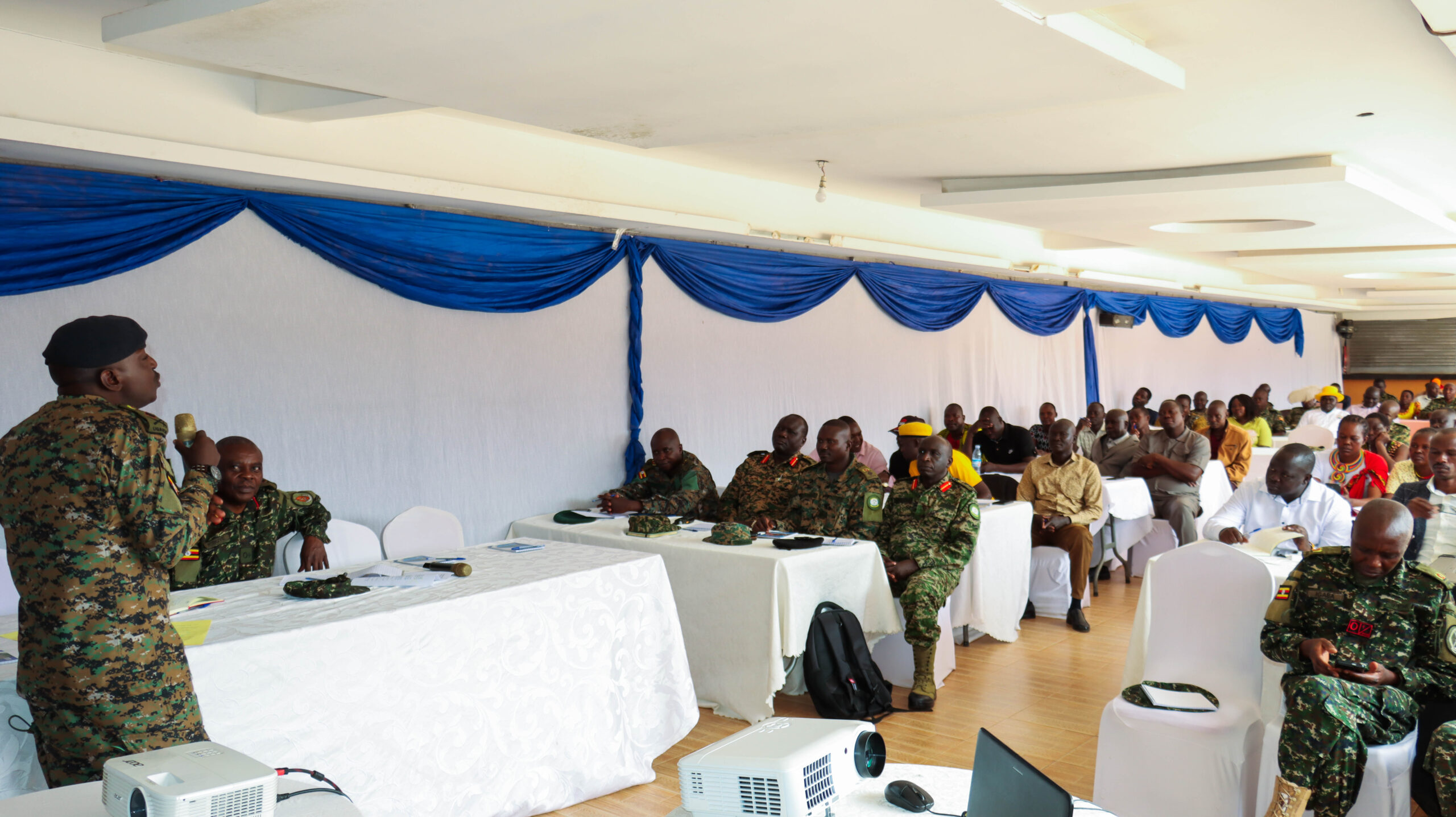
The parliamentary committees on Legal and Parliamentary Affairs and Defence met at Speke Resort Munyonyo to finalise the report after weeks of scrutiny and stakeholder engagement.
The process followed consultations with more than 50 entities, including the governor of the Bank of Uganda, as lawmakers sought to assess the potential impact of the proposed law.
The bill, tabled on April 15, 2026 by State Minister for Internal Affairs David Muhoozi, has since generated intense debate among legislators, legal experts, civil society organisations and academia.
It was subsequently referred to Parliament’s relevant committees for detailed consideration, backed by a resolution of the ruling National Resistance Movement (NRM) caucus in support of its passage.
At the heart of the bill is an attempt to regulate foreign funding and influence in Uganda, with government arguing that such measures are necessary to safeguard national sovereignty from external interference.
The proposed law establishes a framework for the registration, monitoring and control of individuals and entities deemed to be agents of foreigners, while also tightening oversight on financial flows, partnerships and activities involving foreign actors.
However, controversy has largely centred on the broad definitions contained in the bill.
In its original form, a foreigner was defined not only as a non Ugandan citizen but also included Ugandans living abroad, foreign governments, diplomatic missions, international organisations and any entity registered outside Uganda. The minister was also granted powers to designate any individual or institution a foreigner through a statutory instrument.
Similarly, the definition of an agent of a foreigner extended to individuals or organisations engaged in political activities linked to foreign funding, including advocacy, policy influence, public mobilisation and support to electoral candidates.
Critics argue that such provisions would place far reaching restrictions on political activity and risk undermining legitimate civic engagement and economic activity.
The bill has since been amended following concerns raised by President Yoweri Museveni, who indicated that the draft before Parliament differed from the original proposal.
Critics warn of economic risks
The initial proposals drew criticism from a wide range of stakeholders, including government officials, civil society and the financial sector.
Bank of Uganda governor Michael Atingi Ego warned that passing the bill in its original form could trigger economic disruption, weaken the shilling and undermine critical financial inflows.
Leader of Opposition Joel Ssenyonyi has also been a vocal critic, particularly on provisions affecting Ugandans in the diaspora.
“These are Ugandans with families, businesses and investments back home. They contribute to national development and should not be treated as foreigners whose voices are restricted,” Ssenyonyi said during committee proceedings.

Godber Tumushabe, associate director at the Great Lakes Institute for Strategic Studies, warned that the bill could disrupt business operations across sectors.
“This law goes beyond politics. It touches the core of economic activity. Banks, tourism operators, NGOs and businesses that rely on cross border transactions will be directly affected,” he said.
Amendments narrow scope
Presenting the revised proposals, Attorney General Kiryowa Kiwanuka said the amendments seek to narrow the focus of the bill to individuals directly acting as agents of foreign interests in Uganda’s political space.
“For avoidance of doubt, the Act applies to a person who acts as an agent of a foreigner and engages in political activities through any means, including digital platforms,” Kiwanuka said.
Under the changes, an agent is defined as a person who undertakes political activities to advance the interests of a foreign entity, including soliciting or disbursing funds, recruiting individuals or entering partnerships aimed at influencing political processes.
The amendments also remove Ugandans in the diaspora from the definition of foreigners and eliminate the minister’s discretionary powers to designate individuals as such, provisions that had attracted widespread criticism.
Kiwanuka emphasised that the law would not apply to legitimate financial transactions.
“This Act shall not be construed as prohibiting lawful foreign direct investment, diaspora remittances, trade finance, commercial loans, humanitarian assistance or development support,” he said.
The revised bill further defines political activities broadly as actions intended to influence legislation, public policy or government decision making, including campaigning, fundraising and political mobilisation.
However, it introduces stringent penalties for violations. Individuals deemed to be agents of foreign interests who publish false information or engage in activities considered to undermine the country’s economic stability could face charges of economic sabotage.
In addition, any person receiving foreign funding exceeding 20,000 currency points, about Shs 400 million, within a 12 month period would be required to declare it to the minister, with failure to do so constituting an offence.
Debate looms
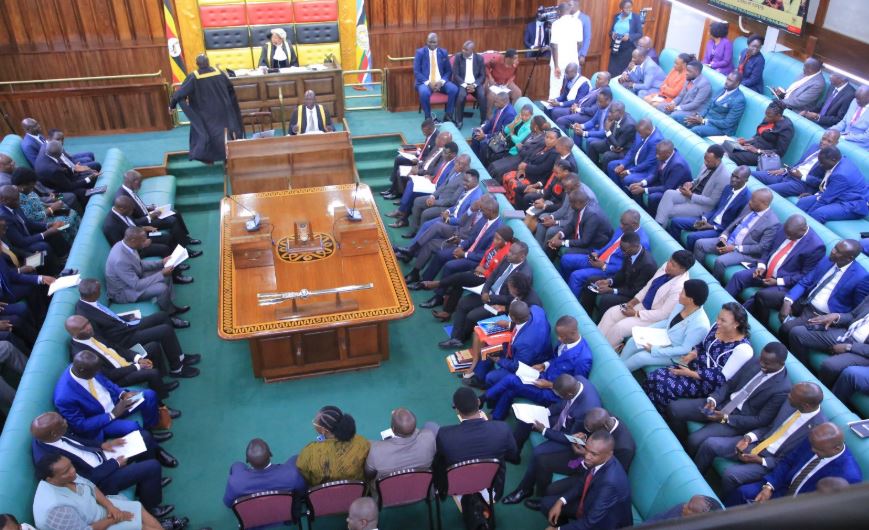
With the committee report now adopted, the bill heads to the floor of Parliament for debate and possible passage.
The discussions are expected to be heated, as lawmakers weigh the need to protect national sovereignty against concerns over economic impact, civil liberties and Uganda’s engagement with international partners.