
By David Takozekibi
“It is in the character of growth that we should learn from both pleasant and unpleasant experiences.” — Nelson Mandela
The recent death of rugby player Sydney Gongodyo shocked Uganda. Instantly accused of a crime, he became the target of a mob that assumed the roles of investigator, prosecutor, judge and executioner, delivering a fatal verdict without due process.
As the country mourned, my thoughts returned to Budiope—and to another young man whose story still lingers in our collective conscience: Jamil Mugabo. The circumstances may differ, but the question remains the same: what becomes of a society when accusation replaces evidence, anger replaces justice, and individuals or crowds begin to act as though they are above the law?
There is an African saying: “A wound that is covered without being cleaned does not heal; it festers.” The same is true of societies. When violence, injustice and abuse are ignored—whether in the name of peace, political convenience, or simply “moving on”—they do not disappear. They sink beneath the surface, eroding trust and weakening communities, only to re-emerge in more dangerous forms.
That is why the call of “Tutereze Budiope” by the newly elected district chairperson, Mangaraine Shariff, is both timely and necessary. It is not just a call for development, but a call to rebuild the moral fabric of our society—by confronting violence, rejecting impunity and strengthening accountability.
On December 11, 2020, Budiope woke to the tragic death of Jamil Mugabo in Gwase Village, Ngandho Sub-county. Allegations of coffee theft circulated widely. Yet even if true, the law provides a process. It does not sanction mob justice. It does not permit cruelty or the stripping away of human dignity. Reports that his body was mutilated, widely shared through disturbing images, remain a painful reminder of how far a society can drift when vengeance replaces justice.
No society turns violent overnight. Violence is cultivated—when intimidation is tolerated, abuse excused and brutality normalised. What begins as an isolated act soon becomes a pattern; what once shocked becomes routine.
During the same political season, another troubling incident unfolded. Accounts from the community suggest that a group of young men, reportedly mobilised amid political tensions, moved into Ngandho village—an area perceived as politically hostile. What followed, according to widely shared accounts, was violence.
Among those affected was Minsi, the son of a respected community member. Injured and left vulnerable, he was reportedly hidden under a large metal pan used for roasting millet and remained there overnight. He was later found alive, largely due to the intervention of a Good Samaritan. That single act of humanity likely saved his life.
But survival came at a cost. Minsi was left permanently disabled. While political seasons passed and attention shifted, he continues to live with the consequences.
On July 25, 2023, reports within the community indicated that Minsi later received financial assistance of UGX 2 million during a meeting in Nalina. Whether this was support, compensation or goodwill is secondary. The deeper question is this: what value do we place on the lives and futures of our young people?
For me, this issue is not abstract—it is personal.
As a survivor of political violence, I have witnessed how quickly competition can turn neighbour against neighbour. During the recent NRM primaries, both my brother and I were attacked. My alleged offence was making a phone call. His was attempting to document events as they unfolded.
Images from that day circulated widely in Buyende, showing injuries and the presence of security personnel. These are not just political incidents—they are human stories, with real and lasting consequences for individuals and families.
This raises a fundamental question: should Budiope be a place where citizens fear participating in democratic processes? If people cannot engage freely and safely, then the issue is no longer politics—it is the kind of society we are becoming.
Recent community discussions, including reports from areas such as Kagulu Sub-county, suggest that violence may still be present in electoral processes. While some claims remain unverified, their persistence should concern anyone who values peace and democracy.

The broader issue extends beyond individual cases—whether Sydney Gongodyo, Jamil Mugabo, Minsi, or my own experience. These stories point to a deeper truth: violence is not isolated. It is a pattern. And if left unaddressed, patterns become culture.
Violence does not begin with weapons. It begins when society normalises intimidation, excuses wrongdoing, and prioritises convenience over truth. It thrives where opportunism replaces principle.
Too often, people defend what they know is wrong simply because the perpetrator is powerful or influential. In doing so, principle is sacrificed at the altar of convenience.
History teaches us that societies do not decline because bad people exist, but because good people tolerate bad behaviour.
After every election or incident, we hear the familiar call: “Let us forgive and forget.” Forgiveness is a virtue—but without accountability, it risks becoming permission for repetition.
Uganda has seen alternative approaches to justice. In 2020, Matthew Kanyamunyu underwent the Acholi traditional reconciliation process of Mato Oput following the killing of Kenneth Akena. That process emphasised acknowledgement, responsibility, compensation and restoration—not silence.
The lesson is clear: healing begins with truth. A healthy society must balance compassion with accountability. It must forgive where there is genuine remorse, but never normalise harm or erase wrongdoing.
When communities fail to confront injustice, they risk creating a silent accumulation of resentment. What appears as peace may in fact be unresolved tension—waiting for another trigger.
As Ngũgĩ wa Thiong’o reminds us, division is often more destructive than any external force. A divided society weakens itself from within.
The greatest threat to Budiope may therefore not be poverty or politics, but the quiet acceptance of violence, impunity and division.
If the call to “Tutereze Budiope” is to have meaning, then it must be grounded in principle. Right must be called right, and wrong called wrong—regardless of who is responsible. Integrity must matter more than influence; justice more than convenience.
The Budiope we seek will not be built by ignoring wounds. It will be built by confronting them honestly, healing them properly, and ensuring future generations inherit a stronger, more just society.
Only then can we truly realise the vision of a Budiope where justice is valued above convenience, principle above popularity, and service above self-interest.
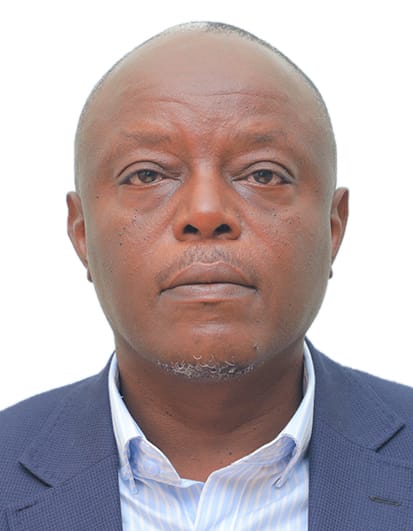
David Takozekibi
Citizen of Budiope, Violence Survivor, and Advocate for Accountability and Reconciliation