


Uganda has maintained stable fuel supplies despite ongoing turbulence in global oil markets, with government moving to strengthen strategic reserves and diversify import sources.

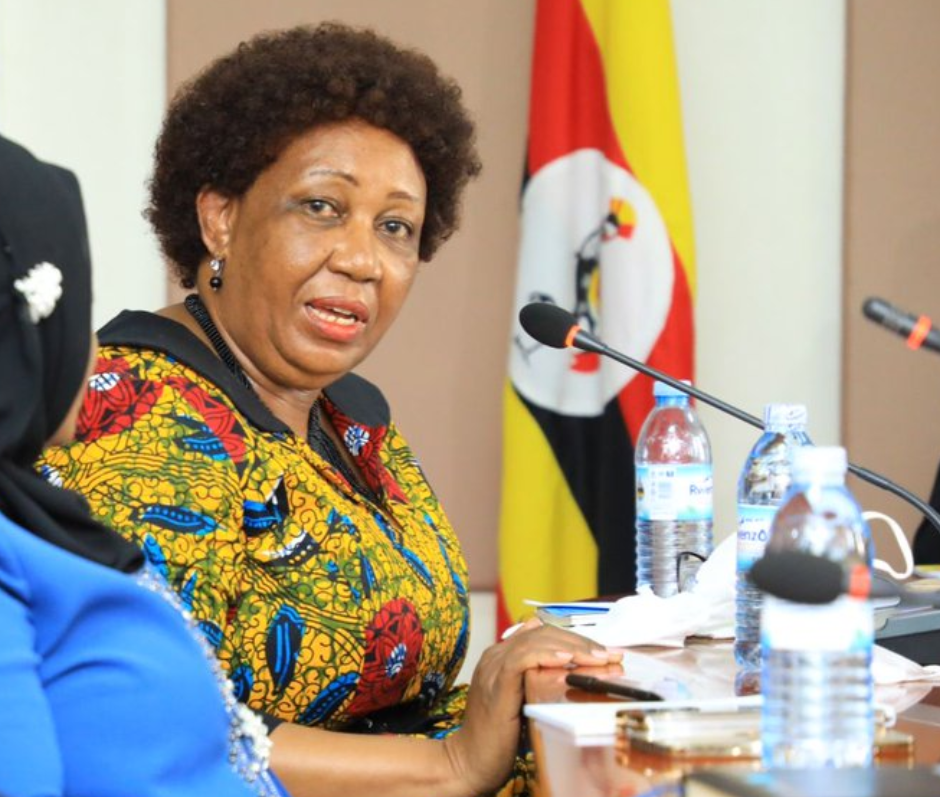
Speaking at the Uganda Media Centre on Friday, Permanent Secretary in the Ministry of Energy and Mineral Development, Eng. Irene Pauline Bateebe, said the country continues to receive uninterrupted petroleum supplies even as global prices surge due to geopolitical tensions in the Middle East.

She noted that disruptions along key routes such as the Strait of Hormuz have tightened global supply chains, pushing up prices of crude oil, petrol, diesel and jet fuel, alongside rising insurance and shipping costs.

Despite this, Uganda has sustained adequate fuel stock levels through diversified sourcing arrangements coordinated with the Uganda National Oil Company and international partners.

The East African region, which heavily relies on imports from the Arabian Gulf, has felt the impact of the global price shocks. In Uganda, this has been reflected in recent pump price adjustments, further influenced by exchange rate pressures and higher import costs.

Bateebe also pointed to increased cross-border demand driven by Uganda’s relatively lower fuel prices compared to neighbouring countries. This triggered temporary pressure on supplies in some border areas, although the situation has since stabilised.

Uganda’s fuel market remains liberalised, with prices set by oil marketing companies, while government maintains oversight to prevent smuggling, hoarding and market distortions.

To cushion the country against future shocks, government is accelerating investment in fuel storage infrastructure.

The Jinja Storage Terminal is undergoing refurbishment to increase its capacity from about 30 million litres to 40 million litres, strengthening national reserves.

Government is also working with the Lake Victoria-based Mahathi Infra Terminal to improve fuel handling and reduce reliance on road transport from coastal ports. The facility has a storage capacity of about 70 million litres and is expected to ease logistical risks.

In Mpigi District, development of the Kampala Storage Terminal is progressing, with planned capacity of up to 320 million litres. The facility will be linked to a future multi-products pipeline from Hoima, forming a key part of Uganda’s petroleum distribution network.

Bateebe said these investments are aligned with the broader Uganda Refinery Project in Hoima, valued at about four billion dollars and developed in partnership with Alpha MBM Investments.

Once completed, the refinery is expected to process 60,000 barrels of oil per day, significantly reducing Uganda’s reliance on imported refined products and stabilising long-term supply.

The project will also support downstream industries such as petrochemicals, fertilisers, LPG production and manufacturing.

Beyond refining, government is stepping up exploration efforts. Uganda plans to launch its third petroleum licensing round in the 2026 to 2027 financial year, targeting new blocks in the Albertine Graben and other frontier basins.

At the same time, seismic surveys are ongoing in the Kasurubani area to identify additional oil prospects.

The ministry has also finalised a new National Petroleum Policy 2025, replacing the 2008 framework, alongside new regulations to guide the liquefied petroleum gas sector.

Bateebe said the combined focus on infrastructure, policy reforms and exploration is aimed at securing Uganda’s long-term energy future.

She urged the public to remain calm and avoid panic buying, assuring that fuel supplies remain steady and sufficient.

Government, she said, remains committed to ensuring reliable energy supply while positioning the country to withstand future global market disruptions.

Author

Leave a Reply

Your email address will not be published. Required fields are marked *

Related Posts