

By Ambrose Dillan Masengere
In Northern Uganda, where enterprise has historically been anchored in tangible assets such as land, livestock and inventory, a more nuanced shift is taking place. The capacity to use digital tools effectively, combined with the confidence to rely on them, is increasingly shaping who is able to grow, access finance and remain competitive.
Across Gulu and the wider Northern sub-region, the mobile phone is firmly embedded in business activity. It facilitates payments, connects enterprises to suppliers and customers, and enables coordination across distances. However, for many micro, small and medium enterprises, its use remains largely functional. It supports transactions, but it is not yet consistently used to manage or represent the business itself.
Within this context, the way technology is used has direct consequences. A business that maintains consistent digital records, separates personal and business finances and demonstrates regular transaction activity presents a clearer and more reliable profile. This visibility can influence decisions around lending, partnerships and market access.
At the same time, a gap remains between access to digital tools and their effective use. Many entrepreneurs in Gulu actively use mobile money, but primarily to complete transactions. Funds are often withdrawn immediately and limited attention is given to building a continuous financial record. As a result, the broader story of the business, its stability, growth patterns, and financial discipline, is not fully captured.
Bridging this gap requires both skill and trust. Digital skills enable entrepreneurs to move beyond basic usage. They support better tracking of income and expenses, more deliberate financial management, and the gradual construction of a verifiable business history. These capabilities transform everyday activity into structured information that can support decision making and unlock opportunity.
Trust determines whether these practices are sustained. Choosing to keep funds within digital systems, to rely on transaction records, or to engage with new financial platforms requires confidence in how these systems function. Where that confidence is limited, digital tools tend to be used only at the surface level, and their broader value remains unrealised.
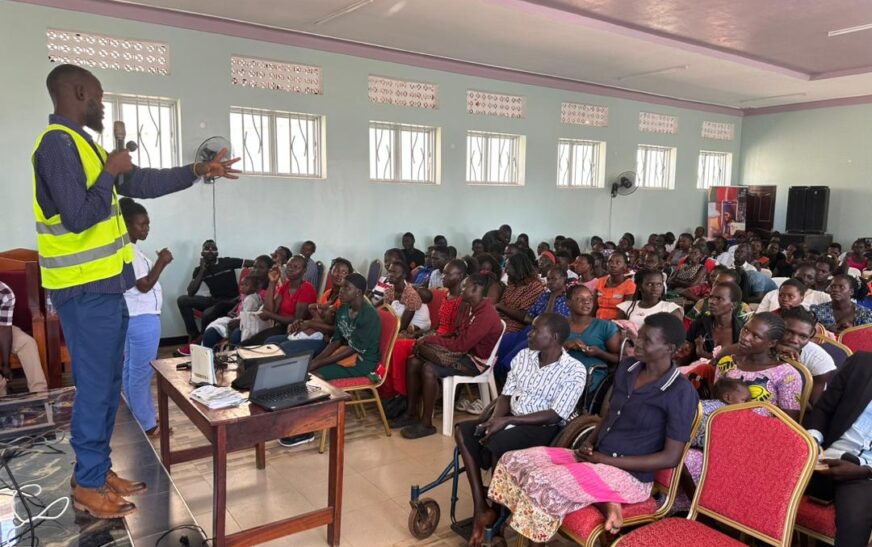
Efforts led by United Nations Capital Development Fund in collaboration with Outbox Uganda and the Mastercard Foundation, including the 10X programme and the “Business Ku Ssimu Yo” campaign, are contributing to this shift by supporting entrepreneurs to strengthen both capability and confidence in digital finance. The emphasis is not only on access to tools, but on how those tools are understood and used over time.

In practical terms, this shift is reflected in incremental changes. Entrepreneurs begin to distinguish clearly between personal and business transactions. They rely more consistently on digital payments within their operations. They allow transaction histories to accumulate, creating a more complete and credible financial profile.
These adjustments, while seemingly small, carry weight in a data driven financial environment. They contribute to a form of visibility that does not depend on traditional assets alone. For many entrepreneurs in Northern Uganda, particularly those with limited collateral, this creates an alternative pathway to demonstrating reliability and potential.
As the region continues to grow and integrate into Uganda’s broader digital economy, the definition of value in business is expanding. Assets remain important, but they are no longer sufficient on their own.
Writer is the Public Relations, Events and Below the Line Executive at MAAD McCANN