
By John Peter Okwi
Recalling that on June 18 2026, the Government of Uganda launched its Mission 300 National Energy Compact during the Africa Energy Forum in Cape Town, South Africa. This marked a pivotal milestone for Uganda, together with six other African nations, namely Rwanda, Burkina Faso, Gabon, Djibouti and Central African Republic who equally secured the opportunity to formally include their compacts within the global Mission 300 world bank portal.
This official launch signalled Uganda’s commitments and plan to operationalise its compact agreement and ensure last-mile connections with clean energy in Uganda by 2030, aligning Uganda’s domestic electrification and clean cooking goals with the World Bank and African Development Bank’s continental mandate to bring electricity to 300 million people in sub-Saharan Africa.
Mission 300 is an ambitious flagship initiative by world bank and African Development bank aimed at scaling up last mile connection of clean and affordable energy to 300 million people in Sub-Saharan Africa, halving 600 million energy deficits in the continent.
In Uganda, the mission 300 program is anchored in Uganda’s long-term development blueprint of Vision 2040 and aligns with commitments under the Paris Agreement, Energy Policy 2023, the Energy Transition Plan 2023 and the National Electrification Strategy. It complements global efforts to achieve Sustainable Development Goal 7 which underscore universal energy access goal and ultimately leverage industrialization, job creation, public-service delivery, and environmental sustainability.
Uganda’s Mission 300 Compact agreements explicitly recognize youth and women as key drivers of the energy transition.
The national energy compact agreement of Uganda underscores youth empowerment, skills development and Innovation and plans to launch Youth Green Corps, a national program aimed at training and deploying young technicians for solar installation, mini-grid operation, and clean cooking enterprise support and sustainable last mile connections across rural parishes in Uganda.
Additionally, the mission 300 compact agreement of Uganda plans to scale up internship and apprenticeship opportunities within the Ministry of Energy and mineral development and other private sector partners. This will build practical skills in renewable energy, grid maintenance, and digital systems.
These opportunities offer a good platform for youth and women to tap in Uganda.
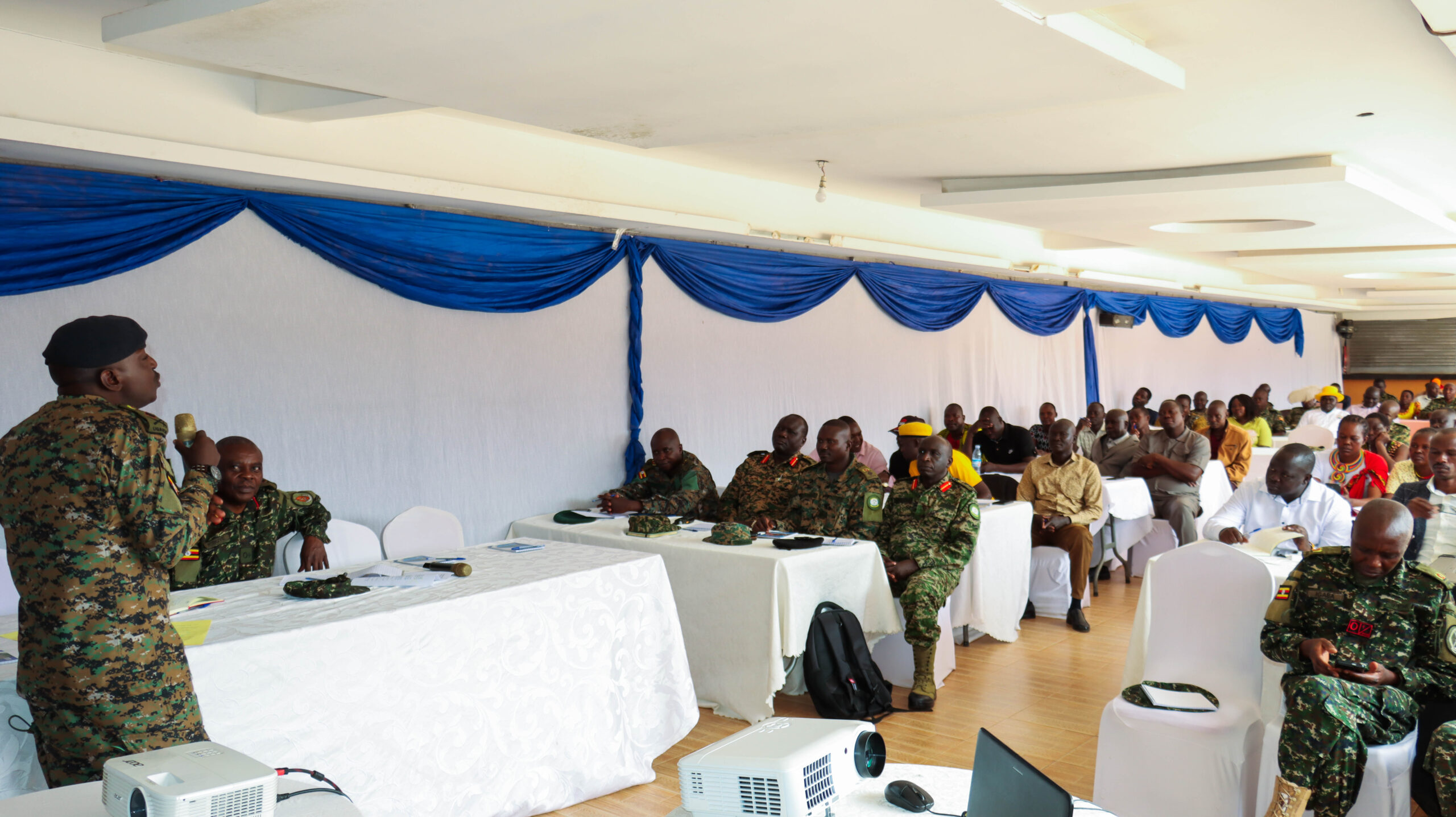
On July 6 2026, I was thrilled to interact with a number of students at Uganda Christian University during a public lecture aimed at shaping youth understanding of the Mission 300 program. The engagement revealed a generation ready to embrace the clean energy transition. Students expressed genuine interest in the initiative and demonstrated a willingness to develop innovations in renewable energy technologies. They demanded that universities partner with government and civil society organizations to launch inter-university symposiums where students can showcase technologies relevant for scaling up energy innovations aligned with Uganda’s energy compact agreement.
Charles Tumusiime, an Engineering student, captured a critical challenge facing rural communities. He asserted: “In fact, Mission 300 is a good opportunity. Government should support communities and train them in right-sizing of solar systems to support household productive uses. Most communities don’t know the right solar watt sizes to power productive uses such as refrigeration, ironing, cooling, irrigation, and charging of many phones.”
“This knowledge gap, he noted, limits the effective and efficient use of solar technologies for productive uses in Uganda.

For rural women, the stakes are equally high. According to UBOS census report 2024, about 72% of Uganda’s population live in rural areas with barely 10% rural grid access. About 90% of people rely on biomass for cooking, leaving rural women particularly vulnerable to indoor air pollution. Women spend 3-5 hours daily collecting firewood—time stolen from economic participation and often risk sexual harassment in isolated forest areas.
Limited energy access constrains nearly all income-generating activities rural women undertake such as irrigation beyond the rainy season, mechanical processing of harvests, preservation of perishables like milk and vegetables, and operating businesses beyond sunset.
Mission 300 can change this by powering not just homes, but the full spectrum of women’s economic lives. Uganda, being one of the recently earmarked among there African countries to benefit from a US$3.9 million African Development Bank facility, should prioritise fixing gaps in rural women economies constrained by lack of clean energy access.
Further still, youth in Uganda can draw lessons particularly in other sub-Saharan countries such as South Africa, where some young entrepreneur notably Leandro Antonio’s Mosebe Enterprise that won a $5,000 grant to deploy portable solar stations in townships, powering hundreds of households while creating local employment.
Ugandan youth should as well position themselves and tap into these opportunies through the Uganda’s mission 300 start-up and innovation support which aims to provide seed grants and incubation support through the Energy-for-Enterprise Challenge Fund for youth-led innovations in productive-energy use technologies.
While these opportunities remain untaped by many youth, Government of Uganda must first track country wide awareness about mission 300 opportunities for youth and women.
I therefore call upon the Government of Uganda to:
- Mobilize additional domestic resources to support the sustainable rollout of the Mission 300 Energy Compact
- Launch an aggressive nationwide awareness campaign targeting youth in universities, technical institutes, and rural communities
- Expedite the operationalization of the Youth Green Corps and the Energy-for-Enterprise Challenge Fund
The Writer is the Programmes Officer at the Environment Governance Institute