
Uganda is likely to experience above-normal rainfall in most parts of the country during the September-December season, although the rains will arrive late and peak between late October and November, the Ministry of Water and Environment has warned.
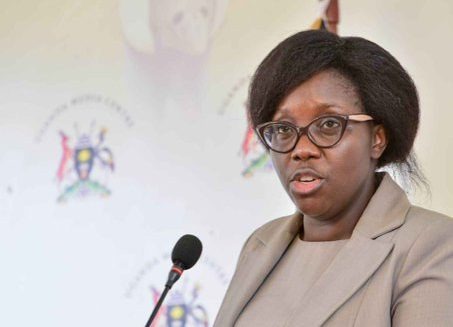
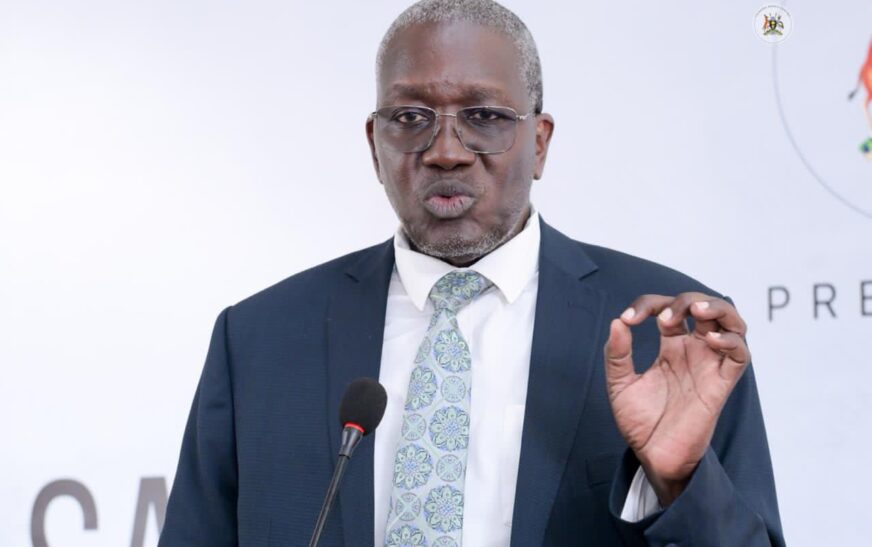
Dr Alfred Okot Okidi, the Permanent Secretary in the Ministry of Water and Environment, said the delayed onset would see most parts of the country remain relatively dry until mid-to-late September before steady rains become established.
Okidi made the remarks at a press conference at the Uganda Media Centre in Kampala while releasing the September-December 2026 seasonal rainfall forecast.
He said the rainfall pattern will largely be influenced by an intensifying El Niño episode, which is expected to enhance rainfall particularly over central, northern and eastern Uganda.
The Indian Ocean Dipole (IOD), currently in a neutral phase but projected to turn positive around October, is also expected to combine with El Niño to increase rainfall over most parts of the country.
“Overall, the SOND 2026 climate outlook indicates that most parts of the country are expected to receive near-normal to above-normal rainfall,” Okidi said.
He added that the country should also expect warmer-than-average temperatures during the season.
The forecast indicates that Kampala, Wakiso and other areas around the Lake Victoria Basin will remain largely dry until mid-to-late September, before steady rains begin.
The rains in the central and western Lake Victoria region are expected to peak between mid-October and mid-November and could extend into January 2027.

Most parts of eastern Uganda are also expected to receive above-normal rainfall, with steady rains beginning between mid and late September and peaking between late October and November.
In western Uganda, the south-western highlands and lowlands are expected to remain dry until mid-to-late September before rainfall becomes established.
The ministry forecasts near-normal to above-normal rainfall in the south-western highlands, while the central parts of western Uganda, including Hoima, Masindi, Kibaale, Kagadi and Kyenjojo, are expected to receive above-normal rainfall.
Northern Uganda will similarly experience increased rainfall, although the intensity will vary across the region. West Nile and the central parts of northern Uganda are expected to receive above-normal rainfall, while the north-eastern region is forecast to receive near-normal to slightly above-normal rainfall.
Okidi said the forecast should be used by farmers, local governments and other climate-sensitive sectors to prepare for the season.
The anticipated increase in rainfall presents opportunities for agriculture and water resources but could also increase the risk of flooding, landslides and other weather-related disasters in vulnerable areas.
Okidi urged stakeholders to take timely action and use the forecast to guide planning in agriculture, water resources, health, disaster preparedness, aviation and other climate-sensitive sectors.