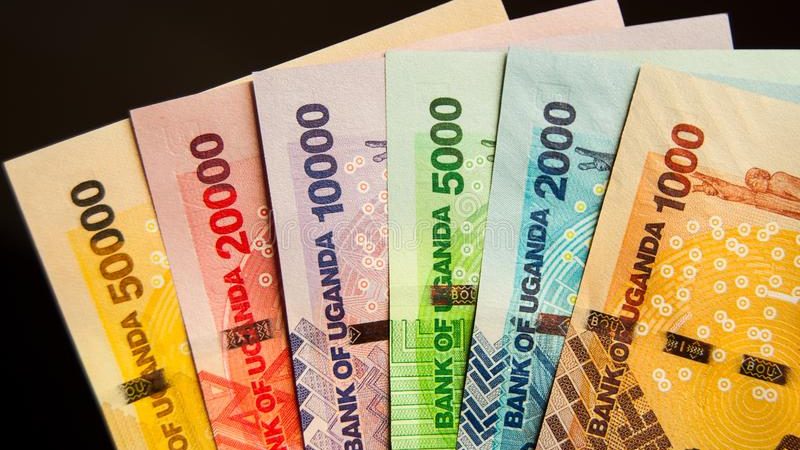

The Bank of Uganda (BoU) has raised its Central Bank Rate (CBR) by 2.25 percentage points to 12 per cent, tightening monetary policy in response to rising inflation risks, pressure on the shilling and escalating tensions in the Middle East.
The increase from 9.75 per cent was announced by the Monetary Policy Committee (MPC) following a special meeting held on October 14, 2026.
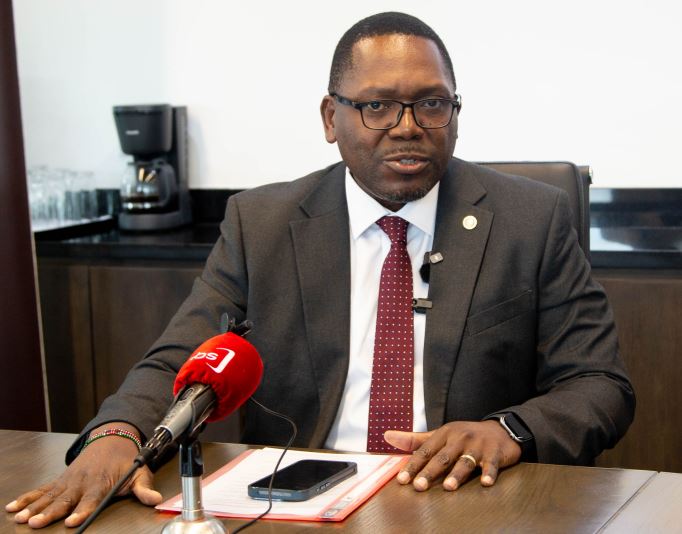
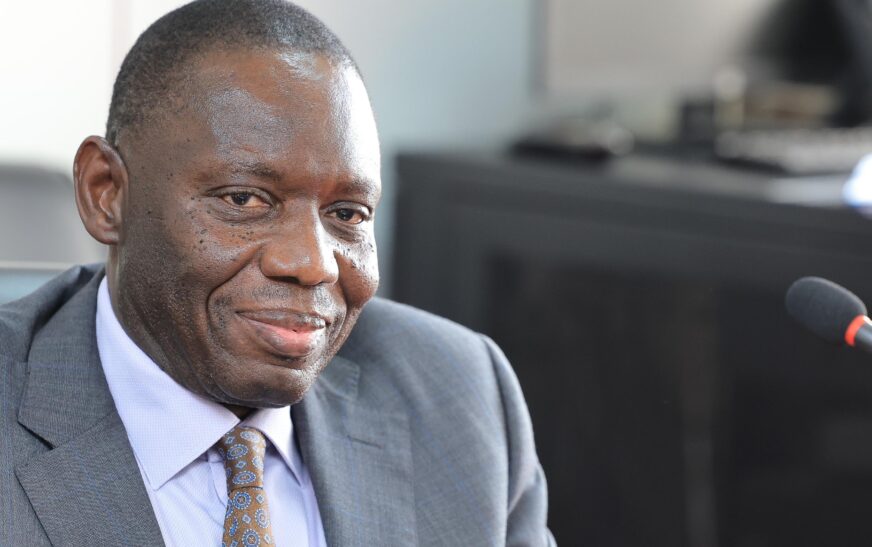
Governor Michael Atingi-Ego said the decision was intended to contain inflationary pressures arising from higher international oil prices and the depreciation of the shilling, while preventing these shocks from spreading more widely across the economy.
“The fuel shock seems persistent, and this, combined with exchange rate depreciation and effects of El Niño weather, could cause inflation to be entrenched if monetary policy does not contain these price pressures now,” Atingi-Ego said.
The central bank’s decision comes as Uganda faces a less favourable external economic environment, with the conflict in the Middle East disrupting shipping routes and energy infrastructure, pushing up oil prices, freight charges and insurance costs.
The resulting uncertainty has increased pressure on the shilling and raised the cost of imports, adding to domestic inflation risks.
Annual headline inflation rose to 4.6 per cent in September, up from 4.1 per cent in August, driven largely by higher food crop and fuel prices. Core inflation, which excludes some of the more volatile price movements, also increased to 3.7 per cent from 3.5 per cent over the same period.
Although both measures remain below the government’s medium-term inflation target of five per cent for core inflation, the central bank warned that price pressures could intensify in the coming months.
BoU now projects core inflation to average between 5.5 and six per cent over the next 12 months, while headline inflation is expected to average between seven and 7.5 per cent.
The MPC said the outlook had deteriorated because of rising international energy prices, continued depreciation pressures on the shilling and increasing domestic food prices.
Atingi-Ego said the central bank would continue monitoring developments in the domestic and global economies and take additional measures if necessary to preserve price and financial stability.
The decision follows the central bank’s move to raise the Cash Reserve Requirement (CRR) from 11 per cent to 13.5 per cent, effective September 24, 2026. The measure requires commercial banks to hold a larger proportion of their deposits as reserves at the central bank, limiting excess liquidity in the financial system.
BoU said the increase was intended to prevent excess liquidity from undermining monetary policy and to strengthen the transmission of policy decisions through the financial system.
The MPC said continued external pressures, exchange rate risks and the prospect of higher inflation justified further tightening.
The CBR band remains at plus or minus two percentage points. The rediscount rate has consequently risen to 15 per cent, while the bank rate stands at 16 per cent.
The central bank also cited a deterioration in Uganda’s external position, with the current account deficit widening by $1.4 billion to $4.6 billion.
BoU attributed the deterioration to lower agricultural commodity prices, particularly coffee and cocoa, reduced tourism receipts amid temporary travel restrictions, and rising oil prices.

In the 12 months to August 2026, the goods deficit widened to $2.8 billion from $2.4 billion in the corresponding period a year earlier.
The services deficit increased to $3.3 billion from $2.2 billion, largely because of higher freight charges, while the primary income deficit widened to $1.7 billion from $1.4 billion.
However, the secondary income balance improved to $3.1 billion from $2.7 billion, supported by higher remittances.
The MPC said heightened global uncertainty and rising interest rates in advanced economies had also made foreign investments relatively more attractive, limiting capital inflows into Uganda and adding to depreciation pressures on the shilling.
The weaker currency, combined with elevated international oil prices, has increased domestic fuel pump prices, raising the risk that higher transport and production costs will feed into the prices of other goods and services.
Despite the challenging external environment, economic activity has remained resilient, although growth is expected to slow.
BoU projects economic growth of six to 6.5 per cent in the 2026/27 financial year, down from its earlier forecast of seven to 7.5 per cent.
The central bank attributed the downward revision to tighter global and domestic financial conditions, the recent depreciation of the shilling, elevated international energy prices and uncertainty arising from geopolitical tensions.
Economic growth is projected at 6.4 per cent for the quarter ending September 2026, compared with the 6.8 per cent reported by the Uganda Bureau of Statistics for the quarter ending June.
Private-sector activity continued to expand, but at a slower pace, while business confidence moderated in September. Consumer sentiment also weakened slightly as households became less optimistic about the economic outlook.
BoU nevertheless expects growth to strengthen to an average of about eight per cent over the medium term, supported by private investment, stronger exports, anticipated developments in the oil sector and the government’s Tenfold Growth Strategy.
The central bank cautioned, however, that the outlook remained vulnerable to persistent increases in energy and transport costs, prolonged geopolitical and trade disruptions, adverse weather and tighter-than-expected financial conditions.
It said favourable weather, stronger private investment and an easing of global tensions could support better-than-expected growth.
The MPC said it would continue assessing economic developments and remain prepared to take further action if inflationary pressures persist.