
Uganda is seeking to transform its long-standing trade relationship with Italy into deeper investment and industrial partnerships, with value addition, technology transfer and manufacturing expected to take centre stage at the first Uganda-Italy Business and Investment Forum in Rome next month.
The October 13-14 forum will bring together Ugandan and Italian government officials, investors, financial institutions and private-sector players to explore opportunities for investment, joint ventures and industrial partnerships.
The push comes as Italy continues to serve as Uganda’s principal coffee market, accounting for a significant share of the country’s coffee exports, but Ugandan officials now want the relationship to move beyond the export of mainly raw coffee beans.
Uganda exported 103,119 tonnes of coffee to Italy in 2024, earning approximately $426 million. This represented about 27.5 per cent of Uganda’s total coffee export earnings of $1.55 billion that year.
The importance of the Italian market increased in the following year. Between June 2024 and May 2025, Uganda exported 7.43 million 60-kilogramme bags of coffee worth $2.09 billion, compared with 6.08 million bags worth $1.34 billion in the preceding 12 months. Italy accounted for about 39 per cent of Uganda’s coffee exports during the period.
Although Italy’s share has since moderated, it remains Uganda’s biggest coffee destination. In July 2026, Italy accounted for 29.3 per cent of Uganda’s coffee export receipts, when Uganda exported 846,686 bags, equivalent to about 50,800 tonnes, worth $204.94 million globally.
It is against this background that Uganda wants to use the Rome forum to deepen economic ties with Italy from the exchange of commodities towards investment, processing and production.
Uganda’s Ambassador to Italy, Elizabeth Paula Napeyok, said the objective is to encourage Italian capital and technology to work together with Uganda’s resources, talent and access to African markets.
“The objective is not simply to increase the volume of products exchanged between Uganda and Italy, but to encourage Italian capital, Italian technology, together with Ugandan resources, Ugandan talent and African markets,” Napeyok said.
She said Uganda wants to move from exporting raw commodities towards value-added production, particularly in coffee, cocoa, fruits and vegetables, dairy, grains, meat and livestock, cotton, textiles and horticulture.
The forum, under the theme “Uganda-Italy Business and Investment Forum 2026: Unlocking Shared Prosperity,” is specifically designed to promote trade, investment and industrial partnerships between companies from the two countries.
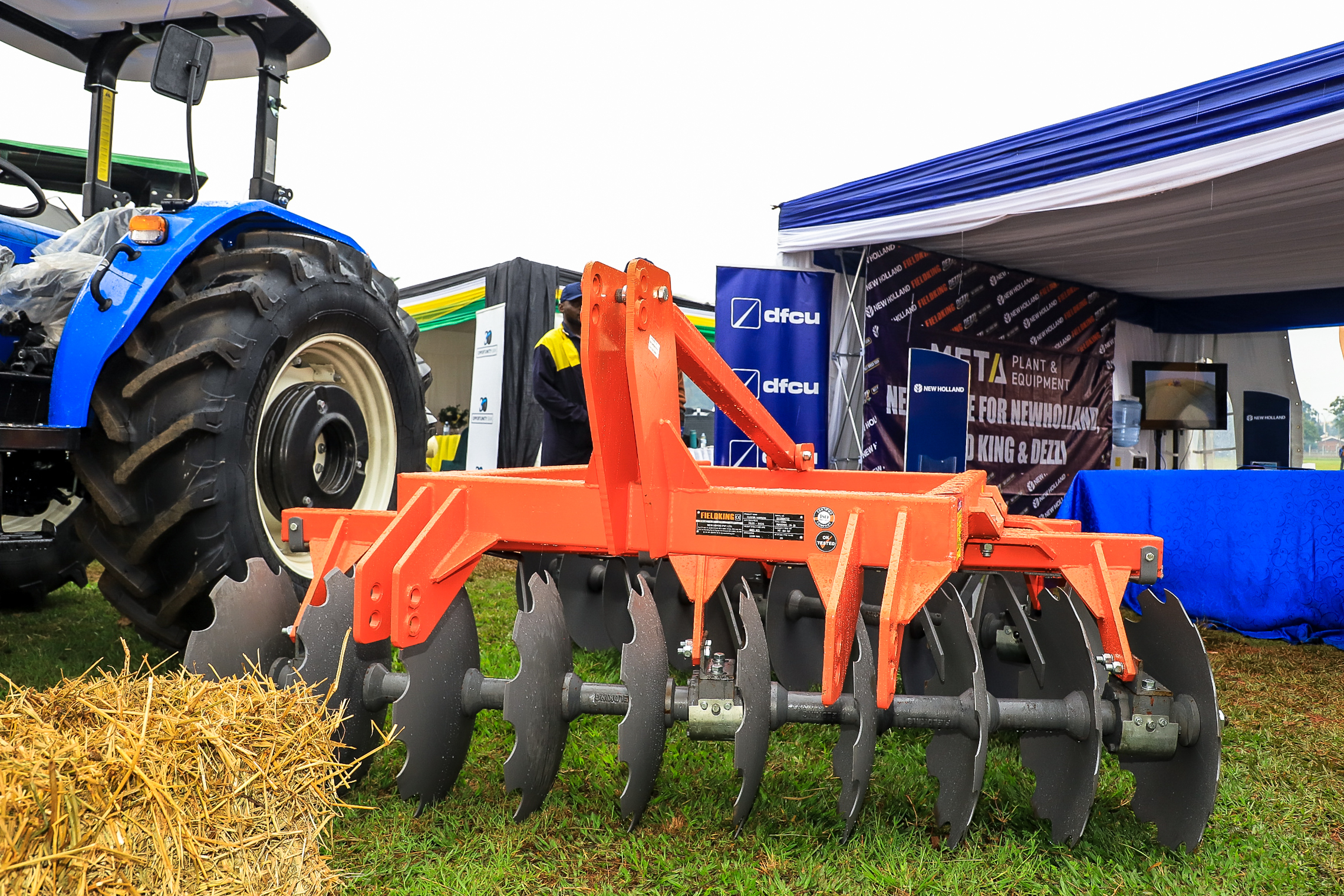
According to the forum’s organisers, priority areas will include health and pharmaceuticals, renewable energy, oil and gas, agro-industry, agricultural mechanisation, value-added manufacturing and industrial parks for Italian manufacturing under the concept of “Made with Italy in Uganda.”
Napeyok said Italy’s strength in agriculture, manufacturing, machinery and agricultural technology makes it an important potential partner as Uganda seeks to expand value addition.
“Most of the companies that have applied to come are actually in agribusiness. For us, that works well because Italian expertise is also strong in agriculture,” she said.
She said Uganda was particularly interested in Italian expertise in agricultural mechanisation, food processing and packaging, manufacturing equipment, construction, irrigation, oil and gas, energy and minerals.
The forum’s background document says Uganda wants to position itself as a strategic investment destination for Italian large enterprises and small and medium-sized enterprises, while presenting concrete and bankable investment projects.
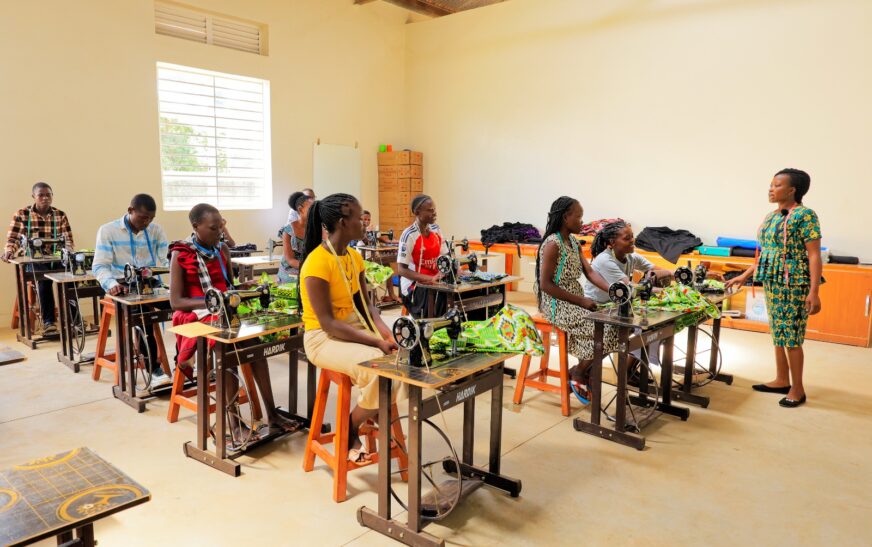
It also seeks to facilitate direct dialogue between public institutions and private-sector actors, foster technology transfer and skills development and promote sustainable industrial growth.

The two-day forum will include high-level opening sessions, plenary discussions on Uganda’s investment opportunities, sector-focused roundtables, business-to-business and business-to-government meetings, networking sessions and factory visits.
Dedicated matchmaking sessions will also connect Ugandan and Italian companies to identify potential partnerships.
Ambassador Henry Mayega, head of the International Economic Cooperation Department at the Ministry of Foreign Affairs, said the forum is part of Uganda’s Economic and Commercial Diplomacy policy and broader efforts under the National Development Plan IV and Vision 2040.
Mayega said Uganda’s diplomatic missions abroad are being used as platforms to attract investment, tourism and trade as government seeks to expand the economy.
He linked the Italy engagement to Uganda’s long-term ambition of achieving a $500 billion economy by 2040, saying this will require greater investment in agriculture, agro-processing, tourism, trade and technology transfer.
Mayega said Uganda also wants to change the nature of its coffee exports by encouraging processing locally.
“We are now saying that the coffee should be processed so that we don’t sell the green bean but rather sell the instant coffee,” he said.
He said a company is coming to establish an instant coffee factory in Uganda, which would enable the country to export finished coffee products rather than predominantly green beans.
For Napeyok, this represents the broader direction Uganda wants to take with Italy.
“The most important thing at the moment is coffee. It is mainly raw coffee, but now we want to change that,” she said.
Beyond coffee, the forum will explore investment opportunities in oil and gas, energy, manufacturing, infrastructure, tourism, pharmaceuticals and healthcare.
The organisers say Uganda’s youthful population, natural resources, agricultural potential, growing infrastructure needs and access to the EAC, COMESA, SADC and AfCFTA markets provide a platform for Italian companies seeking to expand production and access African markets.
Napeyok said the forum should therefore not be viewed as a one-off diplomatic event, but as a platform for long-term economic engagement between the two countries.
The expected outcomes include business-to-business engagements, identification of investors and strategic partners, expressions of interest in Ugandan investment projects, joint ventures, follow-up investment missions, financing opportunities and technology and skills-transfer partnerships.