
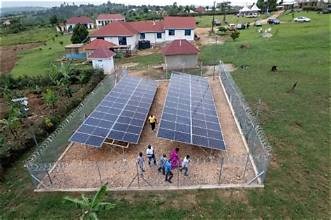
The Government of Uganda, in partnership with Heifer International, is promoting the use of solar energy in agricultural value chains to reduce post-harvest losses, lower production costs and improve farmers’ incomes.
The initiative, implemented under the Distributed Renewable Energy Ecosystem Model (DREEM) Hub Project, seeks to strengthen access to productive-use solar technologies among smallholder farmers, agricultural cooperatives and other value chain actors.
The project is targeting critical agricultural activities such as irrigation, milk chilling, food drying, storage and processing, where unreliable electricity and high energy costs have continued to undermine productivity.
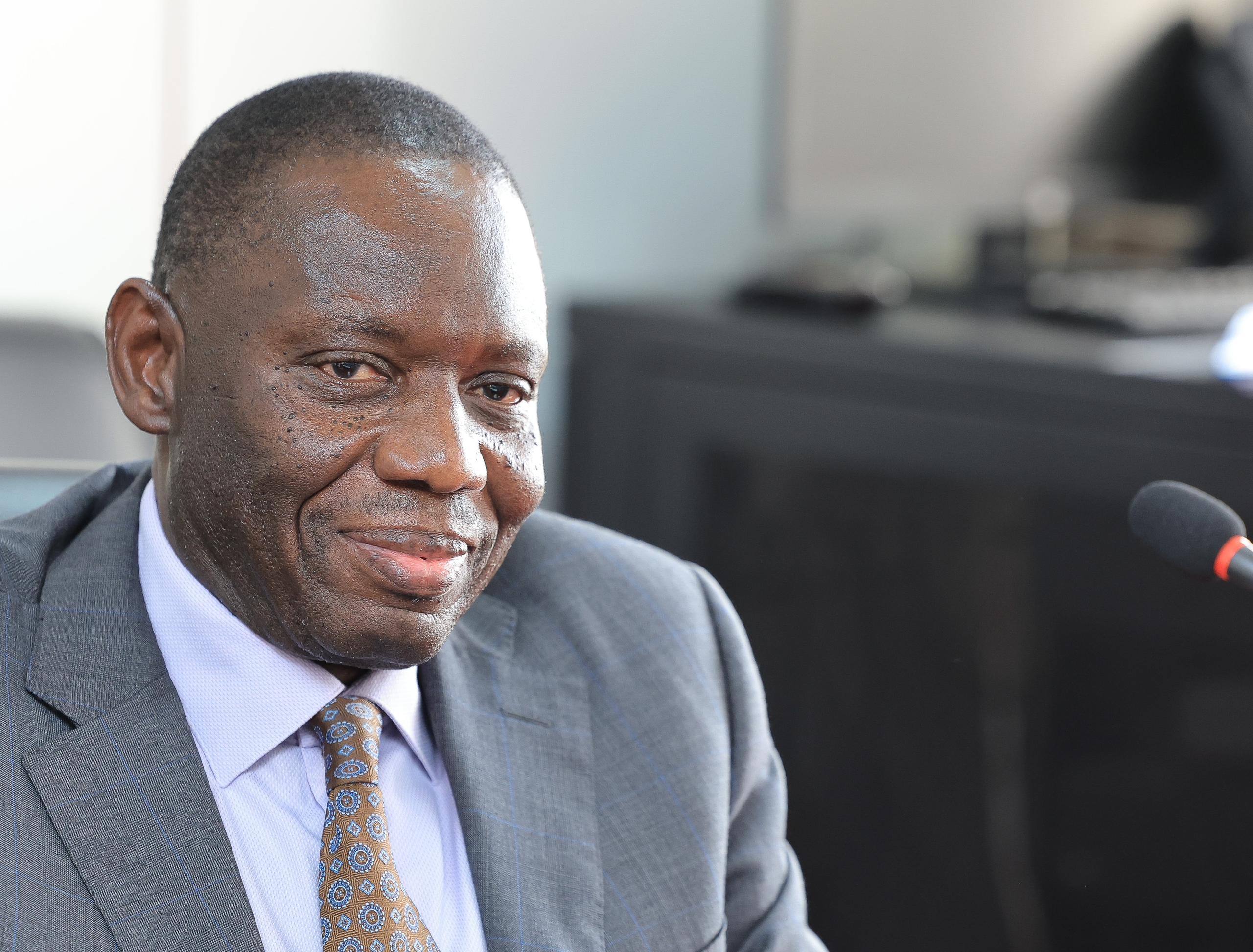
Dr Brian E. Isabirye, the Commissioner for Renewable Energy at the Ministry of Energy and Mineral Development, said the government was prioritising off-grid energy solutions to extend electricity access to rural agricultural communities that are not connected to the national grid.
Speaking at the 2026 annual DREEM Conference in Kampala, Isabirye said the National Electrification Strategy provides for different approaches to electricity access, including grid connections, mini-grids and standalone solar systems.
He said off-grid solutions were particularly important in areas such as the cattle corridor, where farmers require reliable energy to preserve agricultural products and support value addition.
“In areas where we don’t have grid access at the moment, we are prioritising off-grid options because these are critical first in boosting production,” Isabirye said.
He explained that solar technologies could support irrigation, food drying, cooling and milk chilling, enabling farmers to preserve their produce for longer periods before taking it to markets or processing facilities.
Uganda loses up to 40 per cent of its agricultural produce through post-harvest losses, according to Isabirye, making investments in preservation technologies critical to improving agricultural productivity.
He added that solar energy could support value addition by enabling farmers to process raw agricultural products into higher-value commodities.
For instance, dairy farmers could use solar-powered equipment to process milk into yoghurt and other dairy products, while coffee farmers could adopt technologies that improve the value of their produce and secure better returns.
However, Isabirye identified affordability as one of the biggest obstacles to the adoption of renewable energy technologies, particularly among rural farmers and small-scale enterprises.
To address this, the government has established financing interventions through the Uganda Energy Credit Capitalisation Company (UECCC), which provides affordable credit and results-based financing to suppliers of renewable energy technologies.
The arrangements are intended to encourage suppliers to extend their services to remote communities while making the technologies more affordable for consumers through subsidies.
Isabirye said the government had also provided tax exemptions on solar photovoltaic panels, batteries and inverters to reduce the cost of acquiring the equipment.
He added that government was promoting local assembly and manufacturing of solar technologies to reduce dependence on imports and protect the sector against fluctuations in foreign exchange rates.
“Government is promoting industrialisation where we start assembly of most of these products, alongside manufacturing. In the medium to long term, we are promoting local assembly and local manufacturing because it is only then that you can manage robust spikes in the dollar,” he said.

The government’s interventions are being complemented by the DREEM Hub Project, which brings together government institutions, development partners, financial institutions, technology providers and agricultural organisations to strengthen the renewable energy ecosystem.
William Matovu, Heifer International Uganda Country Director, said integrating renewable energy into agricultural value chains was important in strengthening food security, improving climate resilience and supporting rural livelihoods.
He said dairy farmers could produce milk and deliver it to collection centres on time, but without reliable cooling facilities, the milk could spoil before reaching processors.
“If the aggregation centre or the milk collection centre cannot keep the milk cold, our efforts become a risk because it will get spoiled, and it will not get to an off-taker who can process it into premium products,” Matovu said.
The DREEM Hub Project, which commenced in April 2024 and is scheduled to run until June 2027, is being implemented across Uganda, Kenya and Tanzania, with interventions tailored to the agricultural value chains in each country. In Uganda, the project focuses on the dairy value chain, while Kenya’s intervention targets dairy production and Tanzania’s work focuses on the fish value chain.
Nyamwaka Edna, Heifer International Uganda’s Renewable Energy Project Manager, said the project was designed to address challenges including high diesel costs, unreliable power supply and post-harvest losses among agricultural cooperatives.
She said some cooperatives operating outside the electricity grid spend approximately 40 per cent of their operational costs on energy, including purchasing fuel, repairing generators and maintaining the equipment. The organisation’s monitoring data also indicates that some dairy cooperatives experience post-harvest losses of about 15 per cent, particularly when milk chilling systems fail. Through the project, three solar-powered milk-chilling solutions have been installed to help cooperatives reduce energy expenditure, minimise milk spoilage and lower carbon emissions.
Edna said the installations were collectively contributing to a reduction of 53.9 tonnes of carbon dioxide emissions. The project has also established three demonstration centres in Wakiso, Kampala and Luweero to expose farmers, students and other agricultural value chain actors to productive uses of solar energy, including irrigation, drying and storage.More than 1,000 women and young people have also been trained through Enterprise Uganda to identify and exploit business opportunities arising from the use of solar technologies in agriculture.
Edna said the project had demonstrated that providing solar equipment alone was insufficient to guarantee adoption, noting that farmers also needed affordable financing, technical training, reliable equipment and after-sales support.
She explained that solar-powered milk-chilling systems were more sustainable when integrated into financially viable cooperative business models with sufficient milk volumes to generate revenue for loan repayment.
“We have learned that demonstrating solar technologies alone cannot lead to adoption. Sustainable adoption requires integration of support, including technical guidance, training farmers in operation and maintenance, after-sales service and access to affordable financing,” she said.
James Baita, from the Kenya Climate Innovation Centre, which coordinates the DREEM Hub intervention across the three countries, said affordability, limited awareness and inadequate maintenance support remained major barriers to the uptake of agricultural solar technologies.
He said the cost of some solar innovations ranged from $1,000 to $50,000, making them difficult for smallholder farmers, cooperatives and small agricultural enterprises to acquire without financing arrangements.
Baita also called for stronger regional policy and regulatory frameworks to facilitate investment in renewable energy and improve access to technologies across East Africa.
He said the success of agricultural solar solutions depended not only on the availability of equipment but also on supportive policies, affordable financing, access to spare parts and technical expertise.