
Prime Minister Robinah Nabbanja has called for reforms in public procurement to strengthen domestic value chains, promote local enterprises and ensure government spending translates into tangible development outcomes.
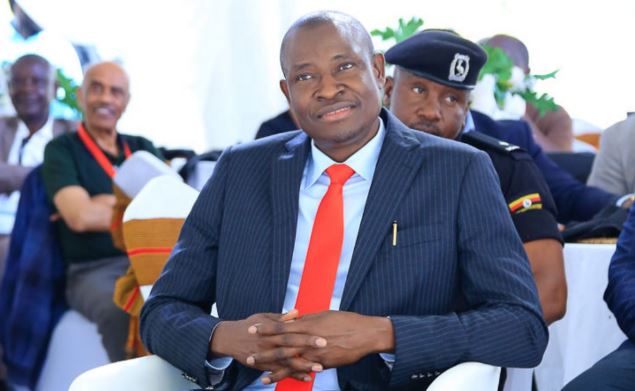
Nabbanja’s message was delivered by Second Deputy Prime Minister Dr Crispus Walter Kiyonga, who represented her at the opening of the 10th International Public Procurement Conference (IPPC10) at Hotel Africana in Kampala on November 3.
The three-day conference, which ran until November 5, brought together academics, policymakers, procurement professionals, government representatives and private sector players from different countries to discuss emerging challenges and innovations in public procurement.
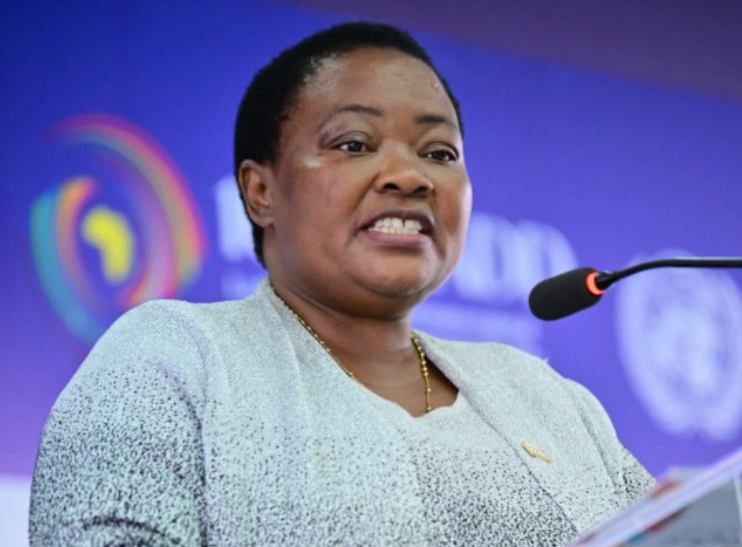
In her address, Nabbanja said procurement should be viewed beyond an administrative process and recognised as an important instrument for economic transformation, governance and public service delivery.
“Public procurement is far more than an administrative process. It is a strategic instrument of governance, economic transformation and public service delivery,” she said.
She noted that public procurement contributes between 10 and 30 per cent of national Gross Domestic Product globally, while in Uganda, procurement expenditure exceeds 50 per cent of annual government budgets.
Given the scale of public spending, Nabbanja said procurement decisions directly influence the quality of infrastructure, healthcare, education and other essential services delivered to citizens.
She challenged governments to deliberately use procurement to develop domestic value chains and prepare local enterprises to compete in international markets.
“Public procurement must be used across the world as a means to tap into the opportunity of not only developing domestic value chains, but also preparing homegrown enterprises to enter and compete sustainably in global value chains,” she said.
Nabbanja urged delegates to move beyond identifying longstanding weaknesses in procurement systems and instead develop practical solutions that governments could implement.
She called for stronger integrity and accountability mechanisms, fair competition, inclusive economic participation and the integration of sustainability into procurement decisions.
The Prime Minister also highlighted the potential of technology, particularly electronic procurement, artificial intelligence and data analytics, to improve transparency, efficiency and oversight.
However, she cautioned that technological innovation must be accompanied by strong cybersecurity, data protection, human oversight and ethical safeguards.
“Strong procurement systems require more than good laws; they demand committed leadership, professional competence, effective oversight and the political will to act when standards are violated,” she said.
She challenged conference participants to turn the discussions into concrete commitments, establish measurable performance indicators and assign responsibility for implementing proposed reforms in their respective countries.
“The true test of this conference will not be the quality of our discussions alone, but how we design and implement public procurement activities differently when we return to our respective countries and institutions,” Nabbanja said.
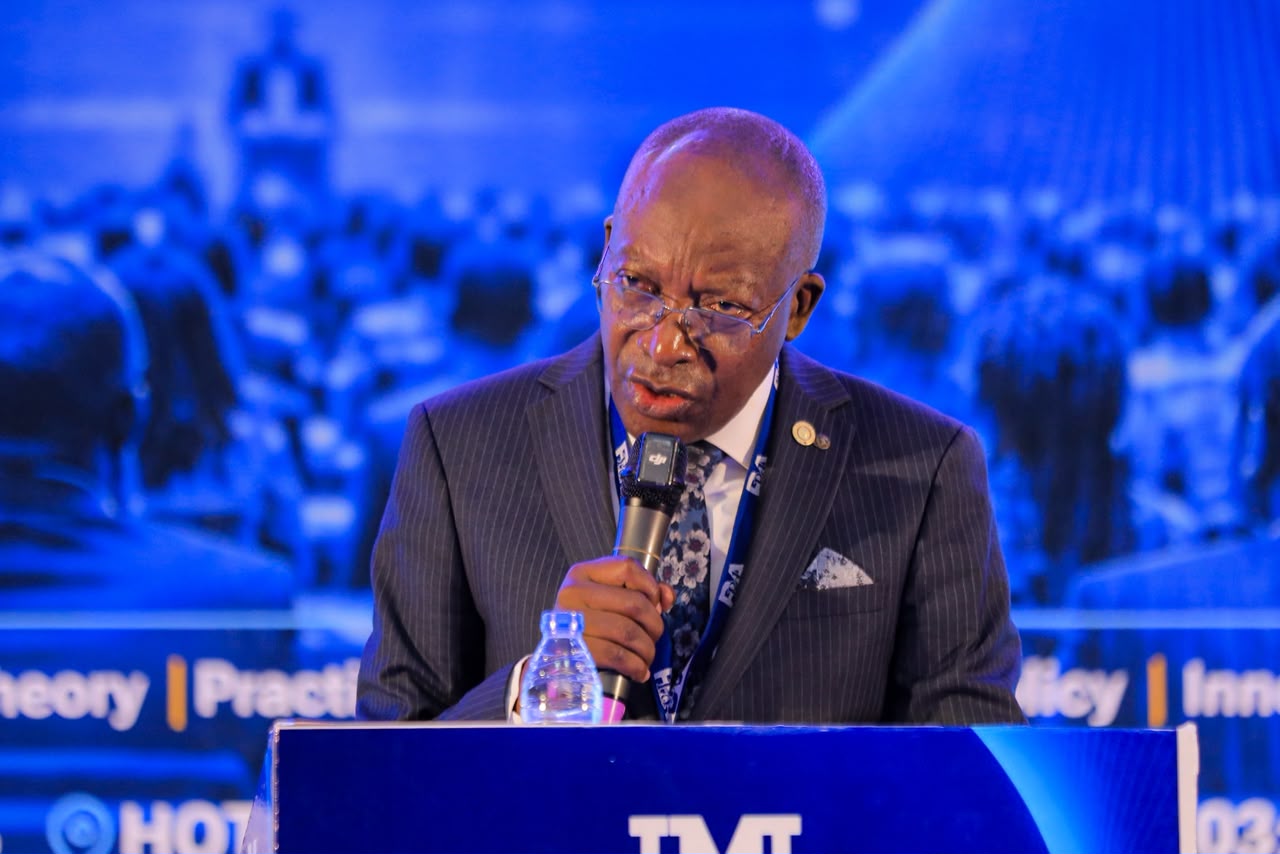
Uganda Management Institute (UMI) Director General Prof. James L. Nkata also challenged delegates to examine whether public procurement in Africa was contributing sufficiently to the continent’s economic development.
Nkata said Africa’s public procurement industry was estimated at 17 per cent of GDP, representing approximately $535 billion, and questioned how much of this expenditure was deliberately structured to retain economic value within the continent.

He challenged procurement experts to investigate whether existing procurement regulations and procedures were inadvertently facilitating the transfer of resources from developing economies to wealthier countries instead of stimulating domestic development.
“As you congregate, you the procurement gurus, I ask you to examine whether or not procurement, if allowed religiously, has become the new haemorrhage of South to North resources,” Nkata said.
He argued that African countries should examine how public procurement contracts could stimulate local production, support businesses and retain more economic benefits within their economies.
Nkata also cautioned against assuming that digital procurement systems would automatically eliminate corruption.
He said automation, electronic records and reduced direct contact between bidders and public officials could improve transparency and minimise bureaucratic delays, but urged delegates to examine the potential weaknesses of these innovations.
Artificial intelligence was another issue he asked participants to consider, particularly its potential to transform procurement and logistics through data analysis, calculations and pattern recognition.
Nkata said the conference should not become an academic gathering focused exclusively on research publications, professional advancement and theoretical discussions.
Instead, he called for closer engagement between academics, policymakers, procurement practitioners and industry players to address practical challenges affecting procurement systems in both developed and developing economies.
He further urged procurement professionals to borrow effective practices from the private sector, particularly approaches that enable organisations to make decisions and deliver services more efficiently.
Nkata said procurement should ultimately be judged by its contribution to human welfare and the quality of services citizens receive.
“At the centre of all development is a person. Economics is meant to secure humans and the day it appears not, then that policy suffers a stillbirth,” he said.
The conference also provided a platform for the launch of Volume Two of the International Journal of Public Procurement, comprising two scholarly issues intended to strengthen research and professional knowledge in the sector.
In her address delivered by Dr Kiyonga, Nabbanja congratulated the founder and leadership of the International Public Procurement Conference, UMI management, the organising committee, editorial teams, authors and peer reviewers for their contributions to the publications.
She said scholarly journals provide an important platform for sharing research, stimulating intellectual debate and generating evidence to inform public policy and professional practice.
Nabbanja added that Uganda, as host of IPPC10, stood to benefit from the knowledge contained in the publications, which she described as an intellectual legacy that would extend the conference’s impact beyond the three-day gathering.