
The Public Procurement and Disposal of Public Assets Authority (PPDA) has called for stronger contract management, improved procurement planning and greater adoption of digital technologies to address delays in government projects and ensure public resources deliver value for money.
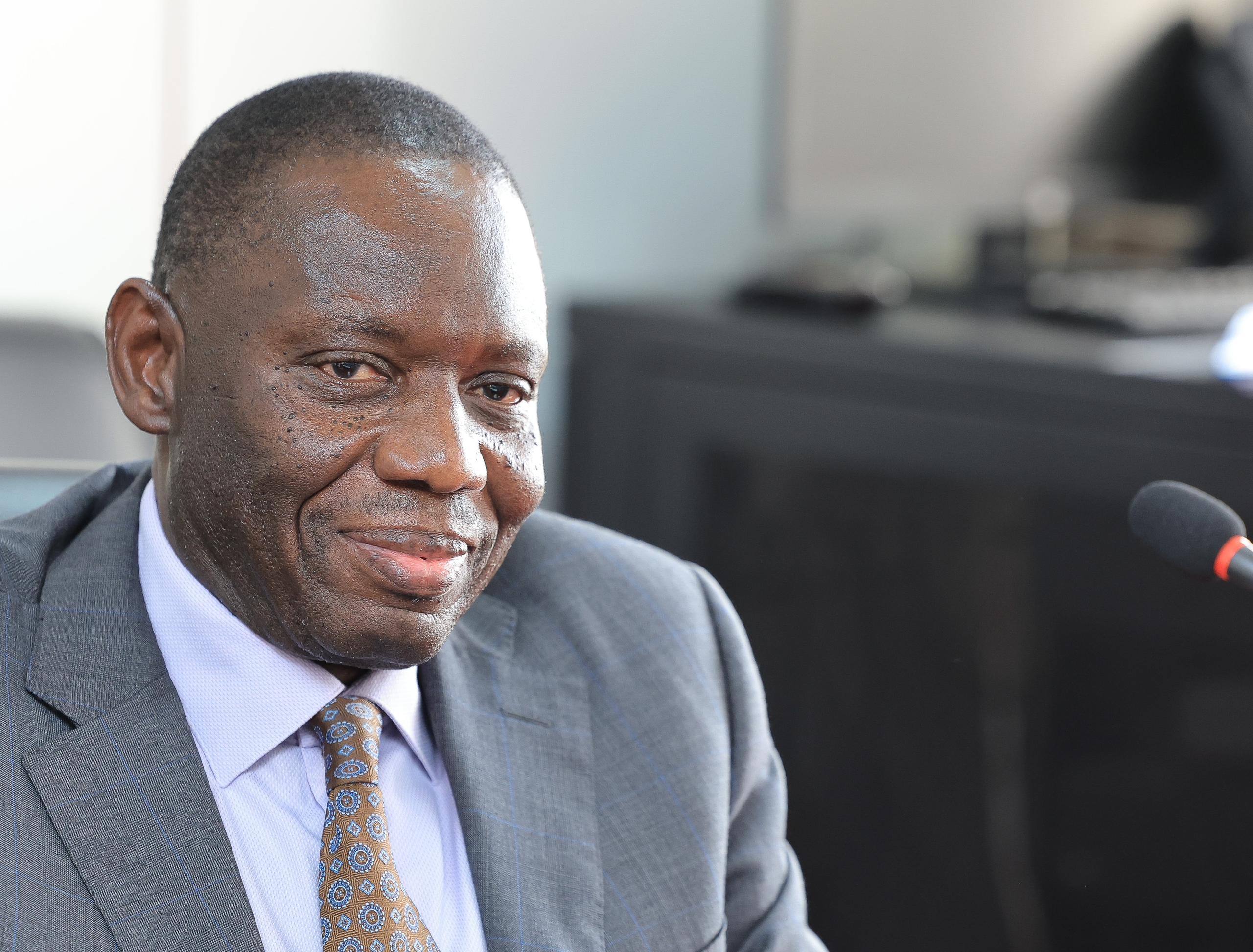
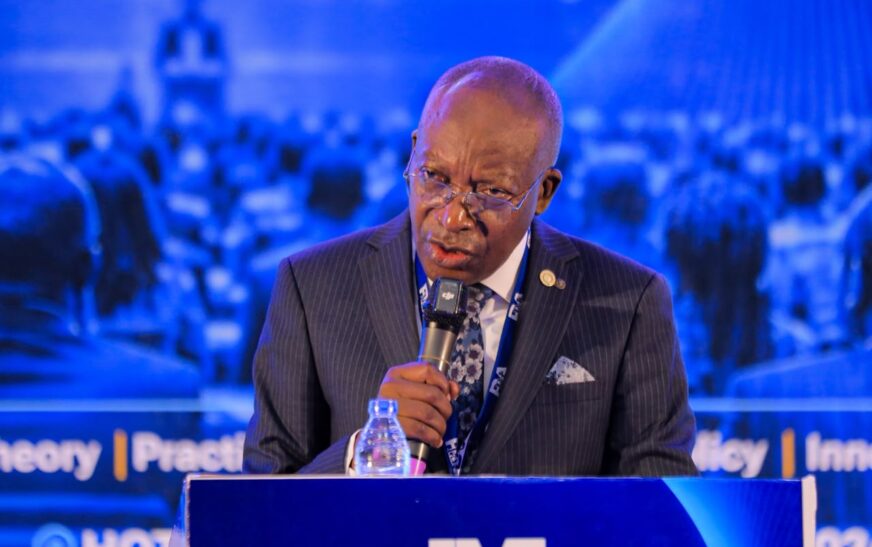
PPDA Executive Director Canon Benson Turamye said public procurement should not be judged merely by compliance with procedures but by the actual services, infrastructure and benefits delivered to citizens.
Speaking at the closing ceremony of the 10th International Public Procurement Conference (IPPC 10) in Kampala, Turamye said procurement was central to Uganda’s development because it connects government policies, plans and budgets to the delivery of essential public services.
He cited roads, electricity, healthcare, education and agricultural supply chains as some of the critical sectors whose performance depends on efficient procurement systems.
Turamye expressed concern over delays in the implementation of government projects, noting that some contracts expected to be completed within three years take between six and eight years, undermining service delivery and increasing the cost of public investments.
He challenged procurement professionals to move beyond their traditional administrative roles and position themselves strategically within government institutions, where they can influence planning, budgeting and other high-level decisions.
He also urged procurement practitioners to participate in negotiations with development partners, arguing that their technical expertise should inform decisions that have implications for public expenditure and project implementation.
Turamye said improving procurement outcomes required attention to the entire procurement cycle, beginning with identifying institutional needs and preparing realistic budgets, through transparent evaluation and contract award, to effective contract management.
He encouraged delegates to translate lessons from the conference into practical reforms, particularly in contract management, sustainability and the adoption of digital technologies.
The call comes amid growing scrutiny of public procurement systems, which account for a substantial proportion of government expenditure and play a critical role in the implementation of development programmes.
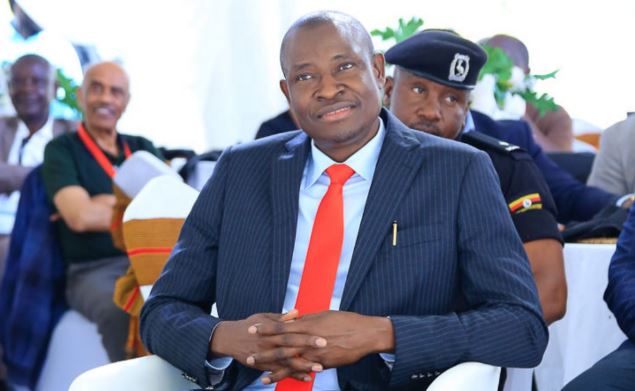
Addressing the same gathering, Prof James Nkata, Director General of the Uganda Management Institute (UMI), said public procurement should be recognised as a strategic instrument for national development, economic transformation and improved public service delivery rather than merely an administrative process of acquiring goods, works and services.
Nkata said the three-day conference had brought together four critical groups in the procurement ecosystem: academics, policymakers, practitioners and private-sector players, providing an opportunity to move discussions beyond theoretical perspectives and examine practical challenges affecting procurement systems.
He identified three considerations that should guide future procurement reforms: ensuring that procurement delivers tangible benefits to citizens, using innovation and technology to strengthen systems without compromising accountability, and translating cooperation among stakeholders into concrete action.
“I encourage our researchers to continue producing knowledge that addresses real-world challenges. I urge policymakers to translate research findings into responsible policies. I encourage procurement practitioners to embrace innovation and continuously improve their practices,” Nkata said.
He added that procurement systems should ultimately be assessed by their contribution to people’s welfare and the quality of services they receive.

“At the centre of all these developments is the human person. Economic systems and public policies must ultimately serve the well-being of people,” he said.
Nkata urged delegates to return to their respective institutions and countries as ambassadors of an ethical, innovative, accountable and people-centred procurement profession.
He also called for stronger cooperation between the public and private sectors, saying procurement models should benefit from private-sector efficiency and responsiveness while maintaining the transparency, accountability and fairness required in public institutions.
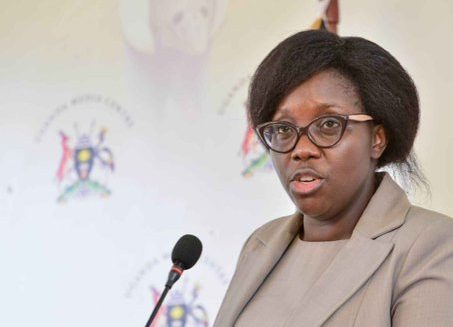
The conference was officially closed by Eng. Dr Steven Paul Kagoda, Chairperson of the UMI Governing Council, who represented the Prime Minister, who was unable to attend because she was returning from official duties abroad.
Kagoda conveyed the Prime Minister’s apologies, explaining that she was expected to land at Entebbe International Airport about an hour after the scheduled closing ceremony.
He said Uganda was honoured to host the international gathering, which provided a platform for knowledge exchange, international engagement and collective reflection on the future of public procurement.
Kagoda said the discussions had demonstrated the importance of sharing experiences across jurisdictions and developing practical approaches to persistent procurement challenges.
He emphasised that procurement reforms should be informed by evidence, research and continuous learning rather than relying exclusively on legislation, regulations and procedures.
“Effective procurement systems do not emerge from legislation alone. They also evolve through research, evaluation, learning from implementation challenges and adapting successful practices to changing circumstances,” he said.
He called for stronger connections between academic research, policy formulation and practical procurement management, urging institutions to continuously assess their performance, identify gaps and improve their approaches.
Kagoda also stressed the importance of strategic leadership and a whole-of-government commitment to procurement reforms, saying institutions needed to work together to improve public-sector performance.
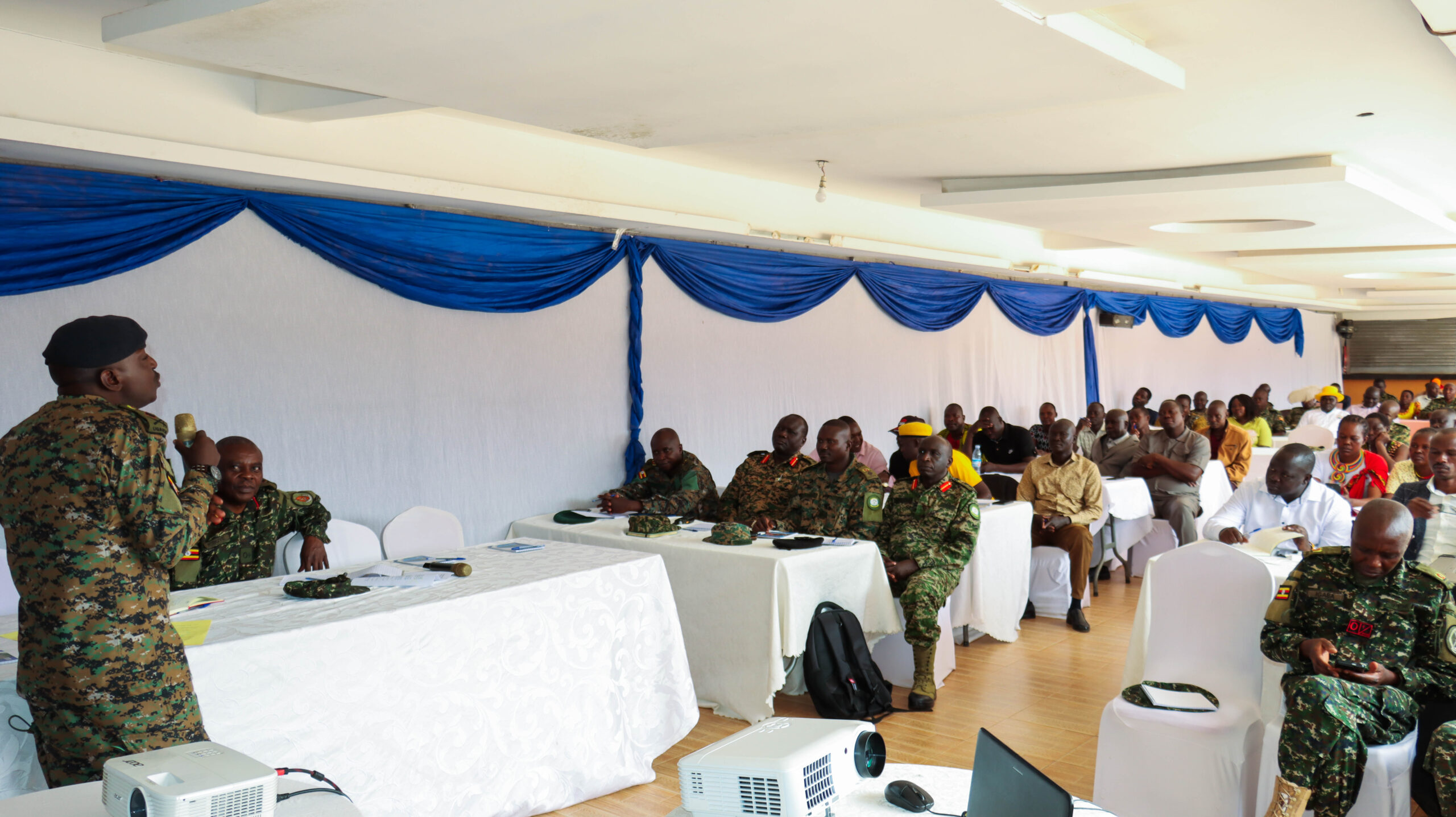
The three-day IPPC 10 brought together international scholars, researchers, policymakers, regulators, procurement professionals, development partners, private-sector representatives and students to examine emerging issues in public procurement and supply chain management.
The conference provided a platform for participants to exchange experiences and explore practical solutions to challenges affecting procurement systems, including accountability, efficiency, innovation, sustainability and contract implementation.