
At least 20,000 dairy farmers across Uganda are set to benefit from a Shs14.5 billion Green Dairy Investment Project aimed at strengthening the sector’s resilience to climate change and enhancing sustainability.
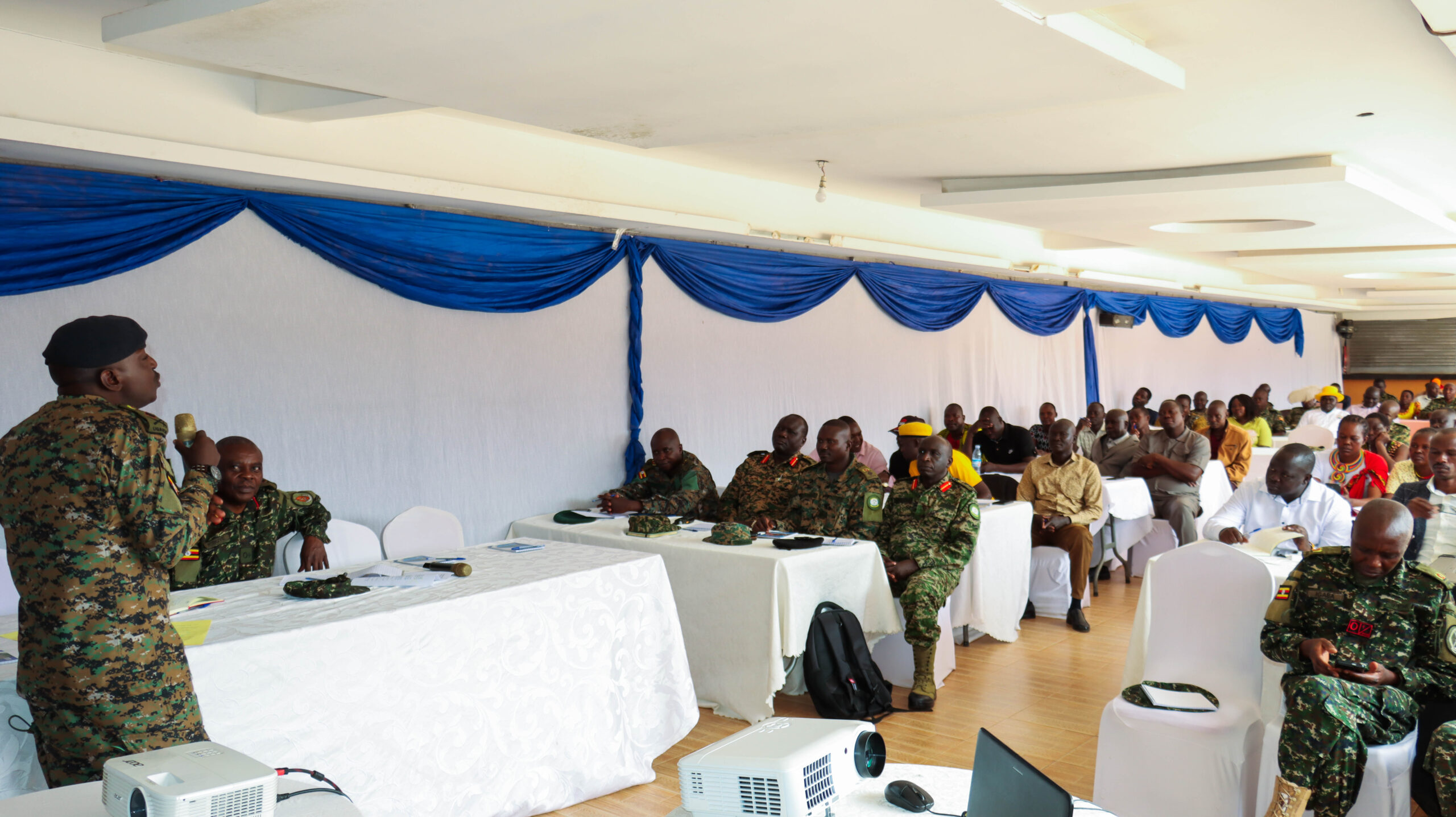
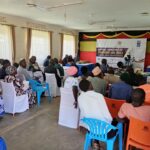
Speaking during a workshop at Fairway Hotel, William Matovu, Country Director of Heifer International, said the three-year initiative will target 15 districts, mainly in Central and South-Western Uganda.
The project is financed through a partnership involving Agriculture Business Initiative (ABI), the Royal Danish Embassy, the European Union, Heifer International, the Ministry of Agriculture, Animal Industry and Fisheries, and the Food and Agriculture Organization.
Matovu emphasized that the investment seeks to catalyze growth across the dairy value chain by boosting production, improving productivity, and expanding market access — all while embedding sustainability at its core.
“As agriculture continues to evolve amid climate pressures, sustainability is no longer optional. This investment will green the dairy value chain while ensuring farmers remain profitable,” Matovu said.
The initiative will introduce solar-powered milk cooling systems, promote biogas technology for improved waste management, and support sustainable fodder production at farm level. These interventions are expected to reduce post-harvest losses, lower production costs, and minimize environmental impact.
A key outcome of the project will be the development of a Dairy Sustainable Investment Roadmap — a long-term framework designed to guide sector growth, increase exports, and advance Uganda’s industrialization agenda.
According to Matovu, the ultimate goal is to build a profitable, climate-smart dairy industry that creates employment opportunities, particularly for young people.
Also speaking at the event, Samson Akankiza Mpiira, Commissioner for Dairy Development at the Ministry of Agriculture, welcomed the partnership, describing it as complementary to Uganda’s national sustainability roadmap and aligned with the government’s 10-fold growth strategy.

Mpiira noted that Uganda’s dairy industry has experienced significant expansion, with milk production reaching 5.3 billion litres annually — largely driven by smallholder farmers.
However, he stressed that the next phase must focus on sustainability through climate mitigation, improved water use, soil management, better breeds, enhanced nutrition, and stronger disease control systems.
“Our priority is to improve productivity while safeguarding the environment. All investments are being directed toward better breeds, improved nutrition, and effective disease management,” Mpiira said.
He added that the inception workshop was intended to harmonize interventions among partners and avoid duplication of efforts, ensuring maximum impact at the farm level.
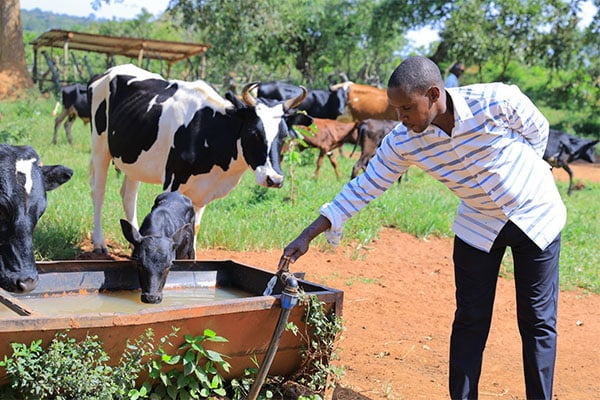
Meanwhile, Moses Nyabila, CEO of ABI Development, said the programme will establish a “Dairy Hub of the Future” — solar-powered milk collection centres equipped with water for production and sustainable fodder systems to cushion farmers during dry seasons.
Nyabila expressed optimism that the project could triple productivity per cow and significantly increase farmers’ incomes.
“Sustainability is about raising productivity while protecting the environment. Uganda is already Africa’s leading exporter of milk and milk products, and this roadmap positions us to grow even further,” he said.