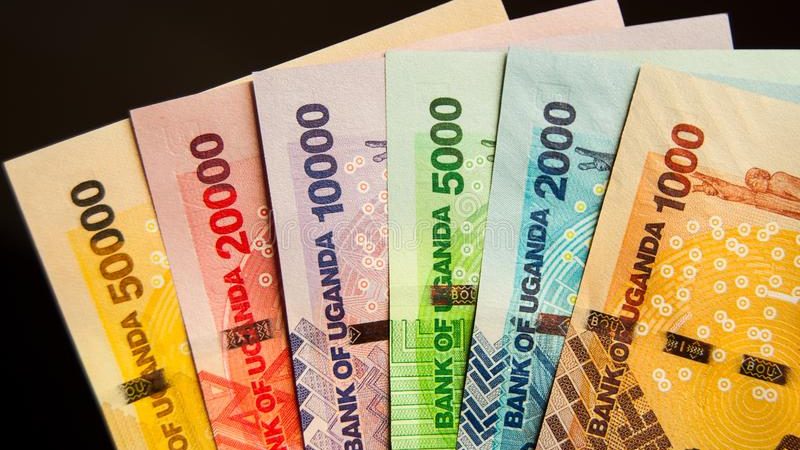

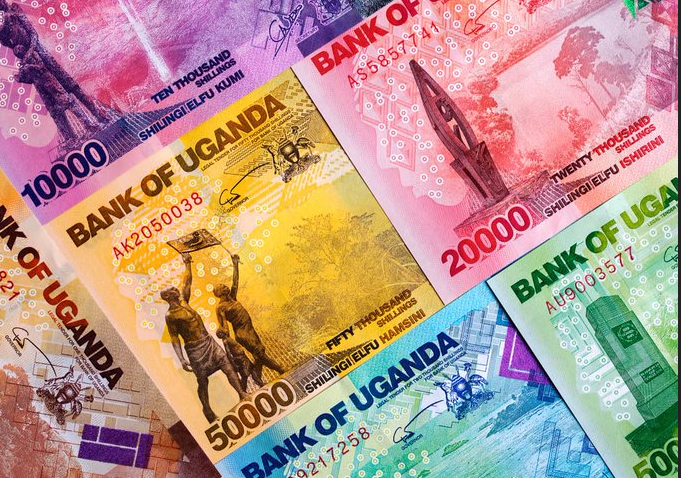
The Uganda shilling weakened against the US dollar over the week as demand for hard currency from the energy, manufacturing, and telecom sectors outpaced inflows from remittances and commodity exports. A decline across the local bond yield curve also prompted some offshore investors to take profits, converting proceeds from bond sales into dollars, adding further pressure on the currency.
Richard Nsubuga, Ag. Head of Trading at CIB Markets, Absa Bank Uganda, noted that after opening the week firmer at 3,580/3,590, the shilling slipped to around 3,595/3,605 by Friday. Month‑end inflows from charitable organizations, remittances, and exporters are expected to provide support in the coming sessions. In the near term, the local currency is projected to trade on a relatively firm footing within the Shs 3,530–3,620 range.
Money markets were relatively liquid during the week, with overnight and one‑week rates averaging 10.13% and 10.95%, respectively. Yields in Wednesday’s Treasury Bill auction continued to decline, with the 182‑day and 364‑day maturities falling by 30 bps and 50 bps to clear at 11.701% and 12.002%, respectively. The 91‑day tenor, however, rose 100 bps, clearing at 11.498%. A total of Shs 342 billion in face value was accepted, representing 96.35% of the amount offered. The Bank of Uganda will return to the primary market on Wednesday, 11 March, with another Treasury bill issuance, with investor participation expected to remain strong following recent sharp yield corrections.
In Kenya, inflows increased during the week, mainly due to left-hand-side hedge conversions, while corporate demand remained subdued. As demand tapered, the Central Bank of Kenya stepped in to buy, absorbing excess supply. With overall market sentiment steady, the Kenyan shilling is expected to trade within the 128.80–129.20 range in the near term.
The Dollar Index hovered near 97.8, moving mostly sideways as investors awaited key inflation data that could influence Federal Reserve policy. Markets expect January’s PPI report to show a slowdown in wholesale price growth to 0.3% month-on-month, down from December’s 0.5% rise.

Gold edged higher to around $5,190 per ounce, extending a two-day rally and positioning for a fourth consecutive weekly advance, as investors assessed US trade policies and ongoing geopolitical tensions. Markets reacted to President Trump’s newly implemented 10% global tariffs, which could rise to 15% for certain countries following a Supreme Court decision blocking broader duties.
WTI crude futures hovered near $65.50 per barrel on Friday morning after a volatile session, as traders monitored developments in US–Iran nuclear talks, set to continue next week. Iran described the Geneva discussions as making meaningful progress, while US negotiators reportedly left dissatisfied. Despite diplomatic momentum, tensions persist after Tehran reiterated it would not allow enriched uranium to leave the country, with a significant US military buildup in the Middle East keeping markets cautious.