
President Yoweri Kaguta Museveni has renewed his call for sustained investment in girls, describing it as one of the most powerful drivers of Uganda’s national development.
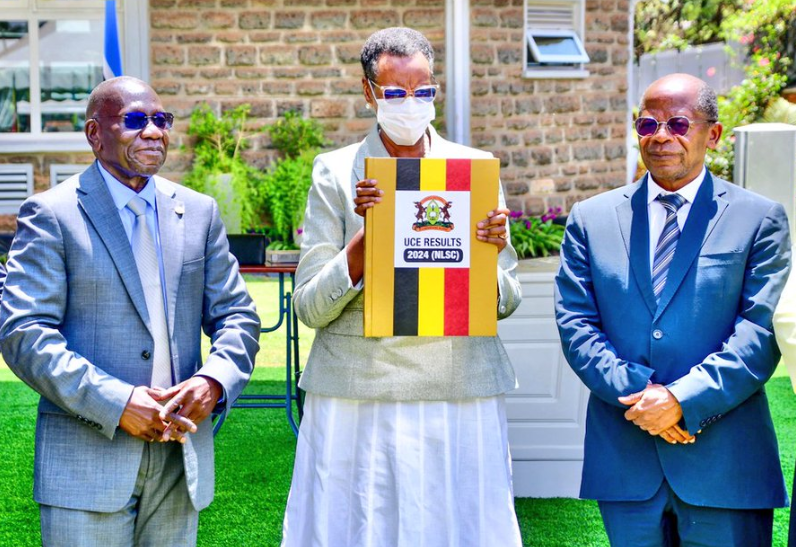
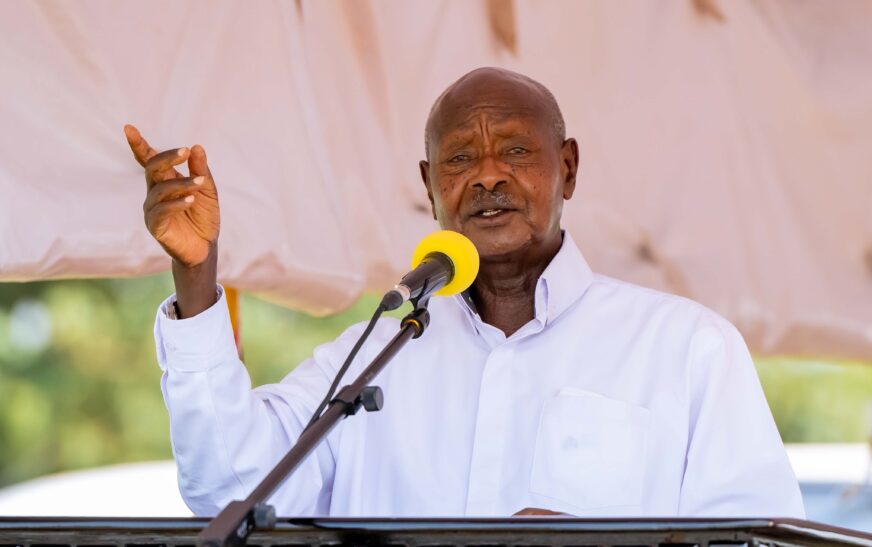
Speaking through Vice President Jessica Alupo at the close-out ceremony of the Girls Empowering Girls (GEG) Programme at the Kampala Capital City Authority (KCCA), Museveni said empowering girls through education, skills development, and protection does not only transform individual lives but also strengthens the entire nation.
“Investing in girls is investing in national development. When they are educated, skilled, and protected, they drive economic growth, promote social stability, and transform communities,” Museveni said in a statement read on his behalf.
He linked the programme to Uganda’s long-term development frameworks, including Vision 2040, the National Development Plan, and the Parish Development Model, all of which emphasize inclusive and human capital development.
A push for inclusive growth
Vice President Alupo reaffirmed government’s commitment to expanding social and economic empowerment programmes, including Universal Primary Education (UPE), Universal Secondary Education (USE), Emyooga, and the Parish Development Model.
She said these interventions are designed to ensure that no Ugandan is left behind, particularly girls and young women who continue to face structural barriers in education and opportunity.
Despite the challenges, Alupo praised the resilience of the beneficiaries, noting that they have demonstrated determination to improve their lives against the odds.
She revealed that the Girls Empowering Girls Programme has reached more than 3,500 adolescent girls since 2019, delivering what she described as “real, measurable change.”
“This initiative has shown that when targeted investments are made in vulnerable girls, transformation is not just possible—it is inevitable,” she said.
Government, through KCCA, has also disbursed about Shs 6.2 billion in cash transfers to support vulnerable households and improve the welfare of girls under the programme.
However, Alupo stressed that the demand for support is still far greater than what has been achieved, likening the situation to Oliver Twist—asking for more because many vulnerable girls are still unreached.
Partners call for continuity
The Ambassador of Belgium to Uganda, H.E. Hugues Chantry, described the programme as a bridge rather than an ending, saying it should be seen as the beginning of a new phase of cooperation.
“What we are marking today is not just closure, but transition into a new chapter of impact,” he said, commending Uganda–Belgium cooperation.
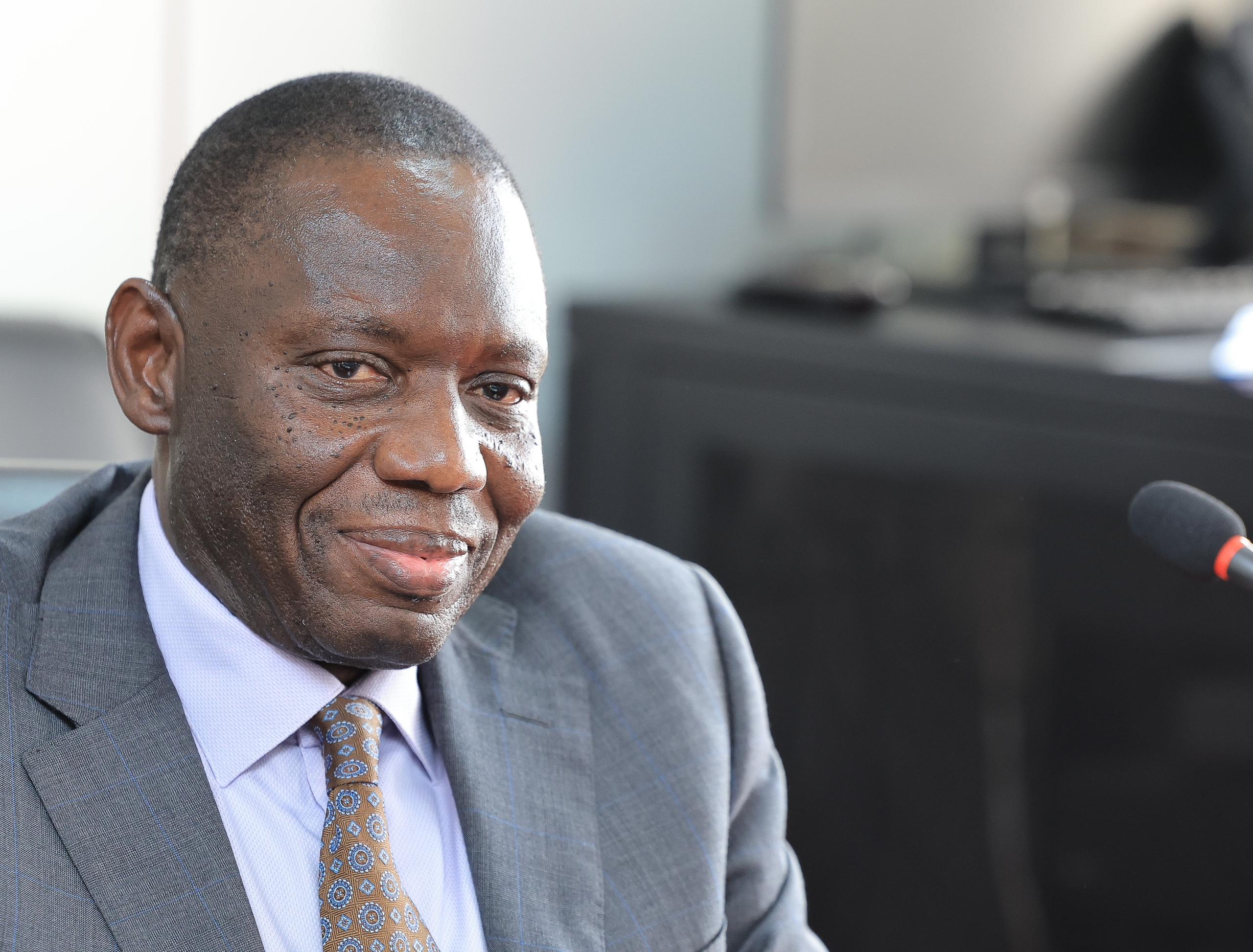
UNICEF Country Representative Dr. Robin Nandy warned that despite progress in poverty reduction, deep inequalities remain, especially among children and adolescents.
He described teenage pregnancy as “a crisis that cannot be ignored,” calling for sustained and scaled-up interventions.
Dr. Nandy noted that the programme’s “cash plus” model—which combines financial support with mentorship, life skills, and education services—has proven highly effective.
He revealed that 4,150 girls have been reached, surpassing the original target of 3,000.

“In many ways, this programme has exceeded expectations and set a new standard,” he said.
The model is now being replicated in 11 other districts across Uganda.
Voices from Kampala
Kampala Capital City and Metropolitan Affairs Minister Minsa Kabanda praised the programme for transforming the confidence and ambition of adolescent girls.
“It has given young women the tools to dream boldly, speak confidently, and act decisively,” she said.
However, she cautioned that Kampala still faces serious challenges, including unemployment, gender-based violence, limited access to quality education, and weak social protection systems.
“These challenges continue to slow both individual and national progress,” she warned.
Kabanda also renewed calls for continued support from development partners, particularly Belgium, and emphasized efforts to reduce the number of street children in the city.
Strong results on the ground
KCCA Director for Gender, Community Services and Production Sheila Birungi-Gandhi highlighted strong programme outcomes, describing the initiative as a success story in urban social protection.
She said out-of-school girls received conditional cash transfers of Shs 480,000 per year, alongside mentorship and education support.
The programme achieved a 71 percent reintegration rate for girls returning to school and supported teenage mothers, girls with disabilities, and urban refugees.
Additionally, 90 percent of in-school beneficiaries successfully transitioned to secondary education.
“We have gone beyond our target, reaching 4,150 girls instead of the planned 3,000,” she said.
A legacy, not an ending
As the programme closed, stakeholders agreed on one message: the work is far from over.
While the Girls Empowering Girls Programme has delivered strong results, leaders emphasized that sustained investment, partnerships, and scaling up are necessary if Uganda is to fully unlock the potential of its girls.
The ceremony ended not as a conclusion—but as a reminder that empowering girls remains one of Uganda’s most important national priorities.