
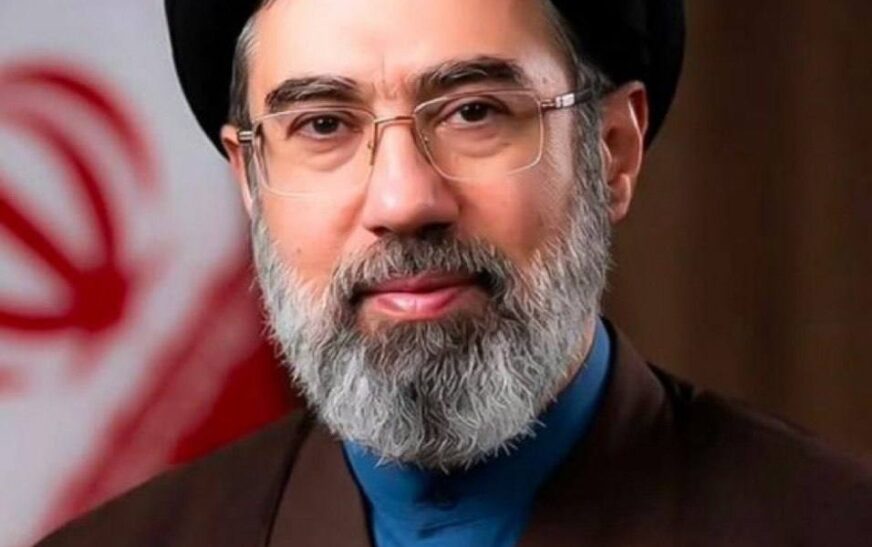
Iran’s Supreme Leader, Ayatollah Seyyed Mojtaba Hosseini Khamenei, has vowed continued retaliation for the killing of Iranian “martyrs,” warning that Tehran’s response could escalate regional tensions, particularly around the strategically critical Strait of Hormuz.
In a detailed statement, Khamenei made it clear that Iran’s revenge is not limited to a single incident but applies to every Iranian killed by what he called hostile forces.
“The revenge we intend is not only related to the martyrdom of the great leader of the revolution; rather, every member of the nation who is martyred by the enemy is an independent subject for the revenge case,” he said.
While some retaliatory actions have already occurred, Khamenei stressed that Iran’s response remains far from complete.
“A limited amount of this revenge has so far been realized, but until it is fully achieved, this case will remain on top of other cases,” he warned.
Minab School Attack Draws Special Attention
Khamenei singled out the deadly attack on Shajareh Tayyebeh School in Minab, saying the killing of children holds a “special status” in Iran’s ongoing investigations. He instructed authorities to provide full medical care for the wounded and ensure compensation for property and financial losses.
“The wounded of these attacks must receive appropriate medical services free of charge and benefit from other advantages,” he said.
Threat to Enemy Assets
The Supreme Leader issued a stark warning to Iran’s adversaries:

“If they refuse to provide compensation, we will seize as much of their assets as we deem appropriate, and if that is not possible, we will destroy an equivalent amount of their assets.”
Warning to Neighbouring States
Khamenei also addressed the leaders of Iran’s 15 neighbouring countries, accusing the United States and its allies of establishing military bases on their soil, some allegedly used in recent attacks against Iran.
“From now on, we will inevitably continue this action,” he said, signaling that future strikes could follow if the bases remain operational. He urged neighbouring governments to clarify their positions and shut down foreign bases, arguing that doing so would strengthen regional stability and protect their own citizens.
Tribute and Appeals
The Supreme Leader paid tribute to a “martyred leader” and thanked citizens, religious scholars, and government officials for their steadfast support during the crisis. He concluded with prayers for divine guidance and decisive victory over Iran’s enemies, while stressing that Iran seeks unity, not regional dominance.
Khamenei’s remarks underscore the fragile security situation in the Gulf and the potential risks to global maritime traffic through the Strait of Hormuz, a vital artery for international oil shipments.