
By Dr. Fay Hodza and Eriah Lule
Across Africa, secondary schools sit at the heart of national development ambitions, yet too many learners pass through their school years without acquiring the foundational knowledge, competencies, and confidence they need to thrive.
While many factors influence learning, global and regional evidence is unequivocal on one thing: effective school leadership is one of the strongest drivers of improved learning outcomes, second only to classroom teaching quality.
In systems where resources are often limited and classrooms overcrowded; the role of the school leader becomes even more pivotal. In a working paper on school leadership in Africa, published in 2022 by Tonny Bush, noted that multiple African countries show that schools with strong leadership teams achieve significantly higher learning gains, better teacher attendance, stronger safeguarding practices, and more supportive learning environments.
Conversely, weak school leadership and management are strongly associated with low academic performance, high dropout rates, and persistent inequities, particularly for girls and other marginalized learners.
Yet despite its importance, school leadership remains one of the most neglected levers in secondary education reform. Critical gaps include: Limited training and preparation, where fewer than one in five secondary headteachers in many African countries receive any formal leadership training before or after appointment.
Weak instructional leadership in numerous systems; headteachers spend less than 20% of their time supporting teaching and learning, despite this being the strongest lever for improvement.
Inconsistent management capacity, with evidence from school reviews across the region, showing that poor timetabling, weak performance management, general school performance data, including, learner attendance and performance, teacher attendance and interrogating this data from a segregated perspective are recurring challenges.
Equity and safeguarding gaps, highlighting that without strong leadership, schools struggle to create safe, gender-responsive environments, leading to higher dropout rates for girls and vulnerable learners.
The consequences are visible in learning outcomes. In an article on improving foundational learning in Zambia, Africa Practice (2024), revealed that more than 80% of students leave lower secondary without basic proficiency in literacy or numeracy, a crisis that disproportionately impacts rural schools with the weakest leadership structures.
To transform this picture, leaders must be equipped to center the learner in every aspect of school operations.
This includes: Strengthening instructional leadership to ensure every classroom delivers high-quality, learner-centered teaching.

On the other hand, creating safe, inclusive environments where girls and boys feel supported to learn and participate fully to promote equity.
Being positive to trends like using data to diagnose learning gaps early and tailor support to individual learner needs.
The most under looked strategy is building high-trust relationships with teachers, parents, and communities to reinforce shared accountability for learning.
When leaders are supported, trained, and empowered, entire school systems begin to shift. Teacher motivation rises, learner engagement increases, safeguarding strengthens, and academic results improve. Most importantly, learners, especially those in underserved communities, gain a fair chance to achieve their full potential.
These achievements affirm the simple truth that when school leaders are empowered, supported, and equipped to drive high-quality teaching and learning; young people thrive.
Improving secondary education in Africa is not possible without investing in the people who shape the daily experiences of learners. School leadership is not just an administrative function; it is the engine of learning, equity, and opportunity.
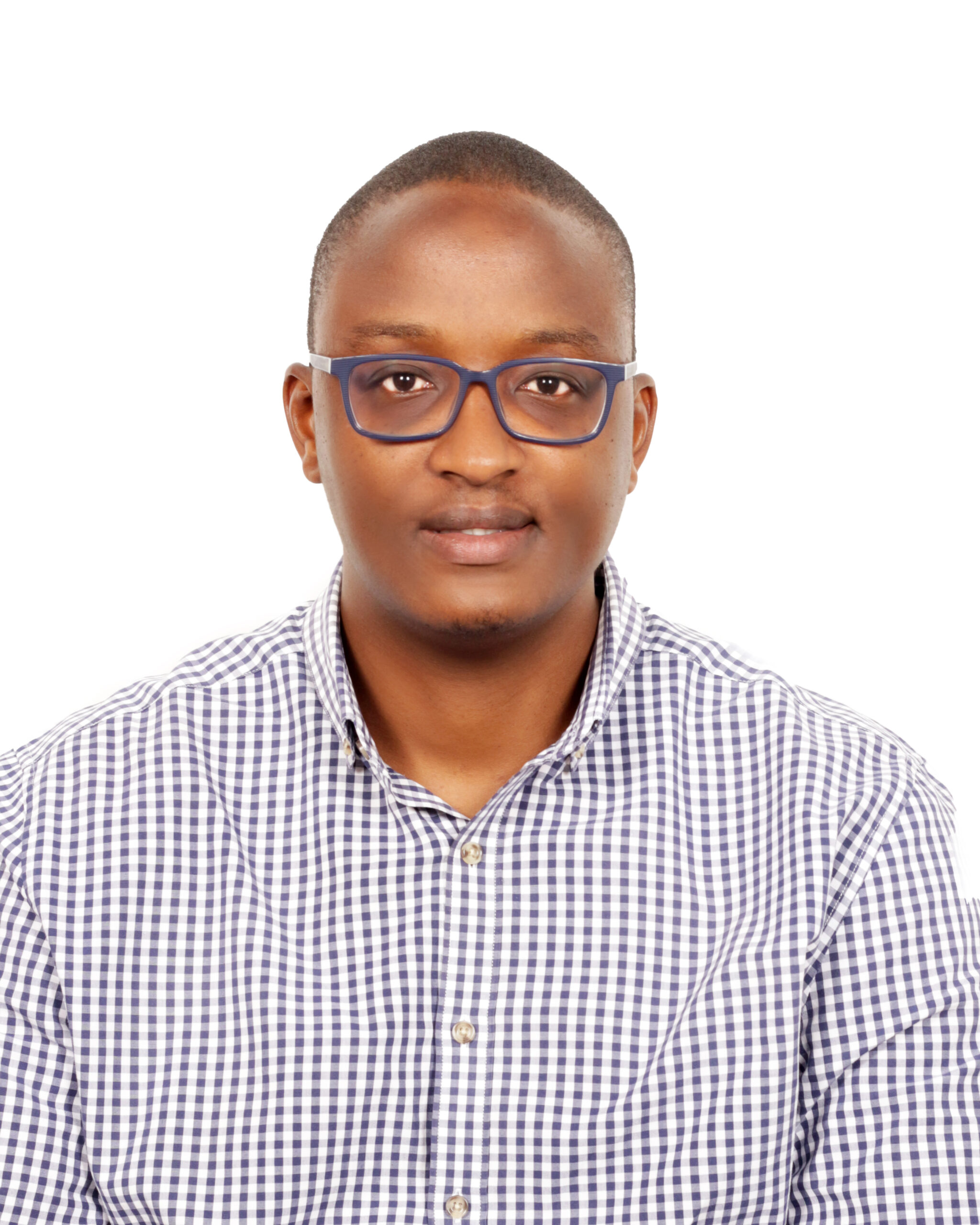
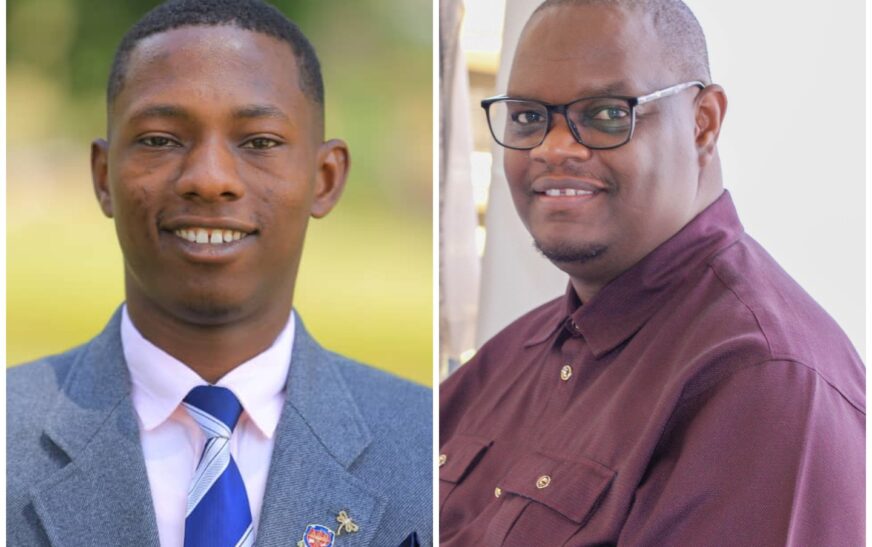
Dr. Fay Hodza is the PEAS Global Senior Director Programmes and Eriah Lule is the Communication Officer of PEAS Uganda