
China has injected $1 million (Shs 3.8 billion) into Uganda’s refugee response, marking a significant shift as Beijing steps directly into humanitarian support for the country’s growing influx of new arrivals.
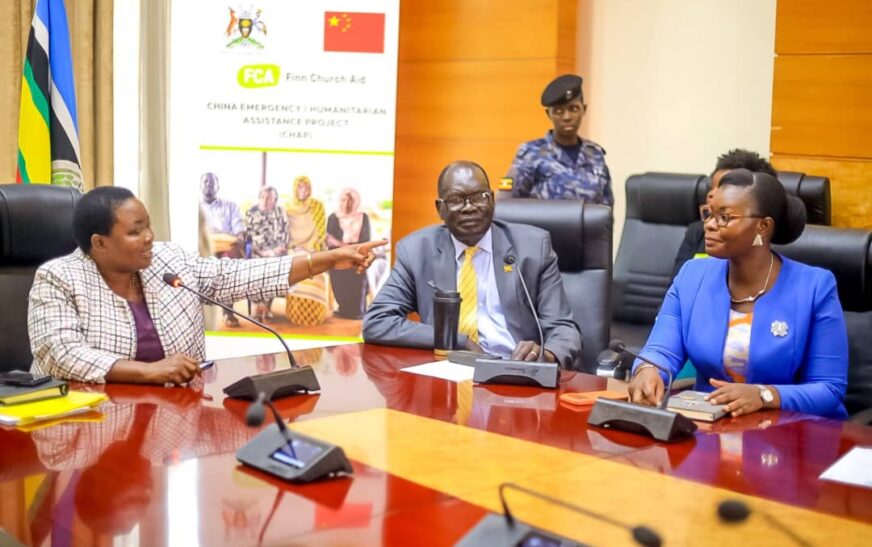
The funding, channelled through the Office of the Prime Minister and implemented by Finn Church Aid, will target vulnerable refugees in Nakivale and Kyangwali settlements under the newly launched Humanitarian Assistance Grant Project (CHAP).
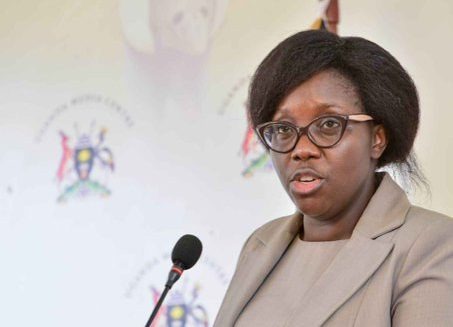
Prime Minister Robinah Nabbanja, who launched the project in Kampala on April 22, described the intervention as both urgent and strategic—addressing immediate humanitarian pressures while reinforcing Uganda’s long-term resilience.
“This project will respond to urgent needs while laying a strong foundation for sustainable support systems,” Nabbanja said, framing the initiative as part of a deepening Uganda–China partnership.
She said the contribution reflects growing cooperation between Kampala and Beijing, rooted in shared commitment to tackling global humanitarian challenges.
The move comes as Uganda continues to shoulder one of the world’s largest refugee burdens, hosting nearly two million refugees and asylum seekers—mainly from South Sudan and the Democratic Republic of Congo.
Officials say the CHAP programme is designed to go beyond emergency relief, with a strong focus on psychosocial care, child protection and community cohesion—areas increasingly critical as new arrivals strain existing systems.
China’s chargé d’affaires, Fan Xuecheng, said the funding signals Beijing’s expanding role in Uganda, stretching beyond infrastructure and trade into humanitarian action.

“This marks an important step in extending China’s support from development cooperation to direct humanitarian response,” he said.
Under the project, new arrivals will receive immediate assistance including hot meals, dignity kits and psychosocial support, alongside the creation of safe spaces for children and families.
Project coordinators say efforts will also focus on improving coordination and ensuring faster, more efficient service delivery at reception centres and settlements.
“We want to guarantee that every new arrival is received with dignity and timely support,” said project official Wycliffe Nsheka.
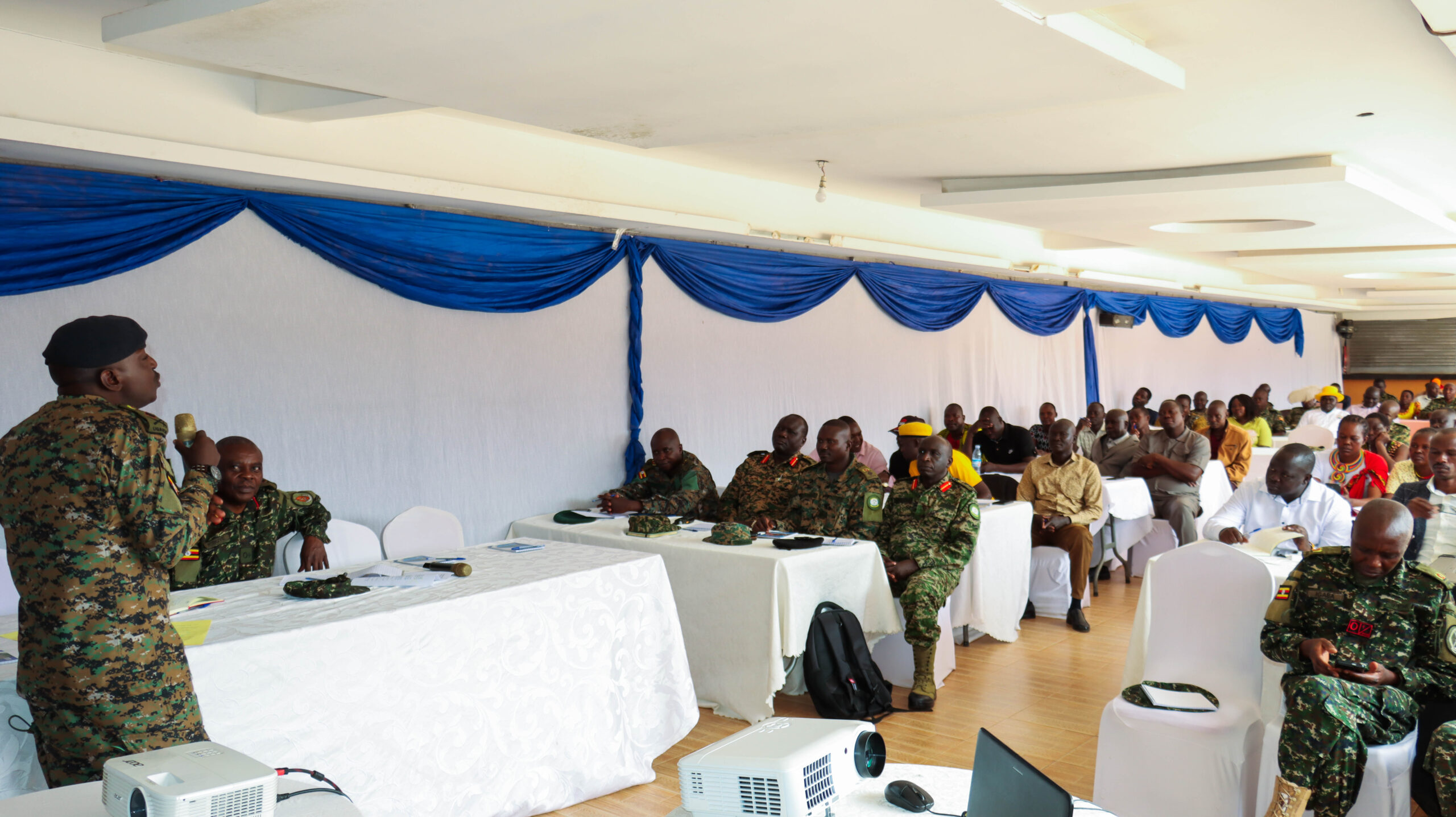
Government officials, including ministers Hilary Onek, Okello Oryem and Lilian Aber, attended the launch.
The intervention underscores a growing Uganda–China alliance that is now extending into crisis response, as pressure mounts on Uganda’s progressive refugee model—long praised globally but increasingly stretched by rising numbers.