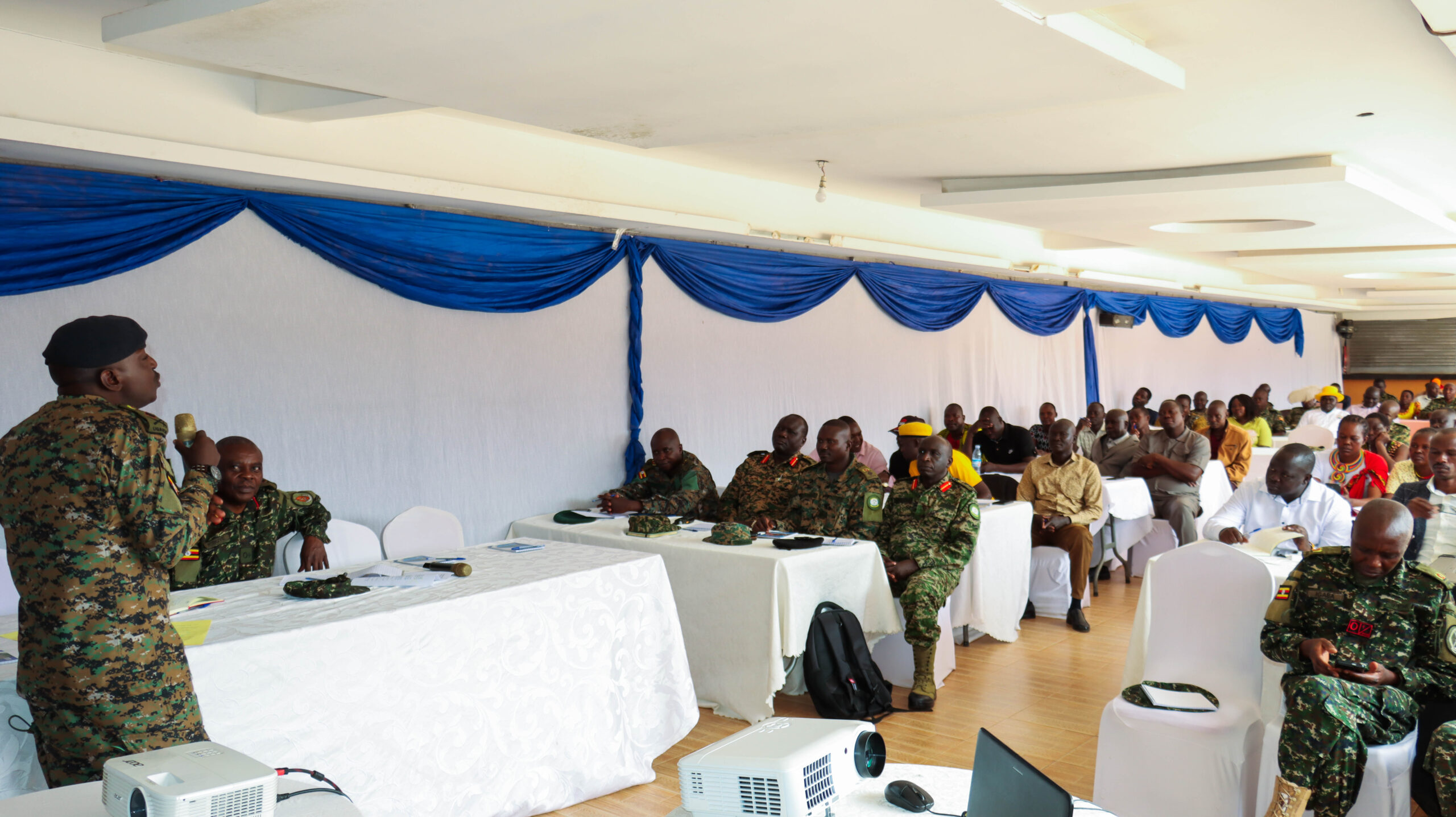


More than 30,000 low-income women entrepreneurs in Busoga sub-region are set to benefit from a new partnership aimed at expanding access to affordable financing, business skills and digital financial services.
The Women’s Economic Empowerment (WEE) programme, launched at the Busoga Kingdom headquarters in Bugembe, brings together the Busoga Kingdom, the Gates Foundation and Stanbic Uganda Holdings Limited (SUHL) to address barriers faced by women operating nano and micro enterprises.
The initiative targets challenges such as limited access to credit, low financial literacy and inadequate business support, which have long constrained the growth of women-led businesses, particularly in the informal sector.
Under the programme, beneficiaries will receive a combination of financial services and enterprise development support, including entrepreneurship training, financial literacy, digital skills, mentorship, insurance, savings products and market linkages.
The partnership leverages the mobilisation strength of the Busoga Kingdom, the Gates Foundation’s global experience in financial inclusion and Stanbic’s banking and enterprise development capacity through Stanbic Bank Uganda and Stanbic Business Incubator Limited.
Representing the Kyabazinga of Busoga, William Wilberforce Gabula Nadiope IV, the Katukiro, Dr Joseph Muvawala, said empowering women economically is critical to driving social and economic transformation.
“When you empower a woman economically, you uplift an entire family and strengthen the community. Many women work tirelessly to support their households yet continue to face barriers in accessing finance and business opportunities,” he said.
He added that the programme goes beyond access to capital by equipping women with the skills and confidence needed to build sustainable enterprises.
“Entrepreneurs need skills, mentorship and market opportunities to build resilient businesses. This partnership addresses those needs in an integrated way,” Muvawala said.
Stephen Segujja, head of the Economic Enterprise Restart Fund at Stanbic Bank Uganda, said the initiative aligns with the bank’s goal of expanding economic inclusion.

“Women entrepreneurs will gain access not only to affordable financing, but also to business skills, digital capabilities and market connections needed to grow resilient enterprises,” he said.
Segujja noted that Stanbic has previously extended more than Shs 370 billion in financing to over 8,000 SACCOs under the Economic Enterprise Restart Fund, and supported more than 10,000 women entrepreneurs through its Stanbic For Her programme.
He added that the new initiative contributes to the bank’s broader plan to mobilise up to Shs 1 trillion in support of women, youth and farmers.
Catherine Poran, chief executive of Stanbic Business Incubator Limited, emphasised the importance of enterprise development in sustaining business growth.
“Access to finance creates opportunity, but enterprise development sustains it. We aim to equip women with practical business and financial management skills,” she said.
One of the beneficiaries, Safinah Namukose, a trader from Buwenge, described the programme as timely.
“Many women have the determination to succeed but lack affordable financing and the skills to expand their businesses. This programme gives us hope,” she said.
The partners say the initiative could serve as a model for scaling women’s enterprise development and promoting inclusive economic growth across Uganda.