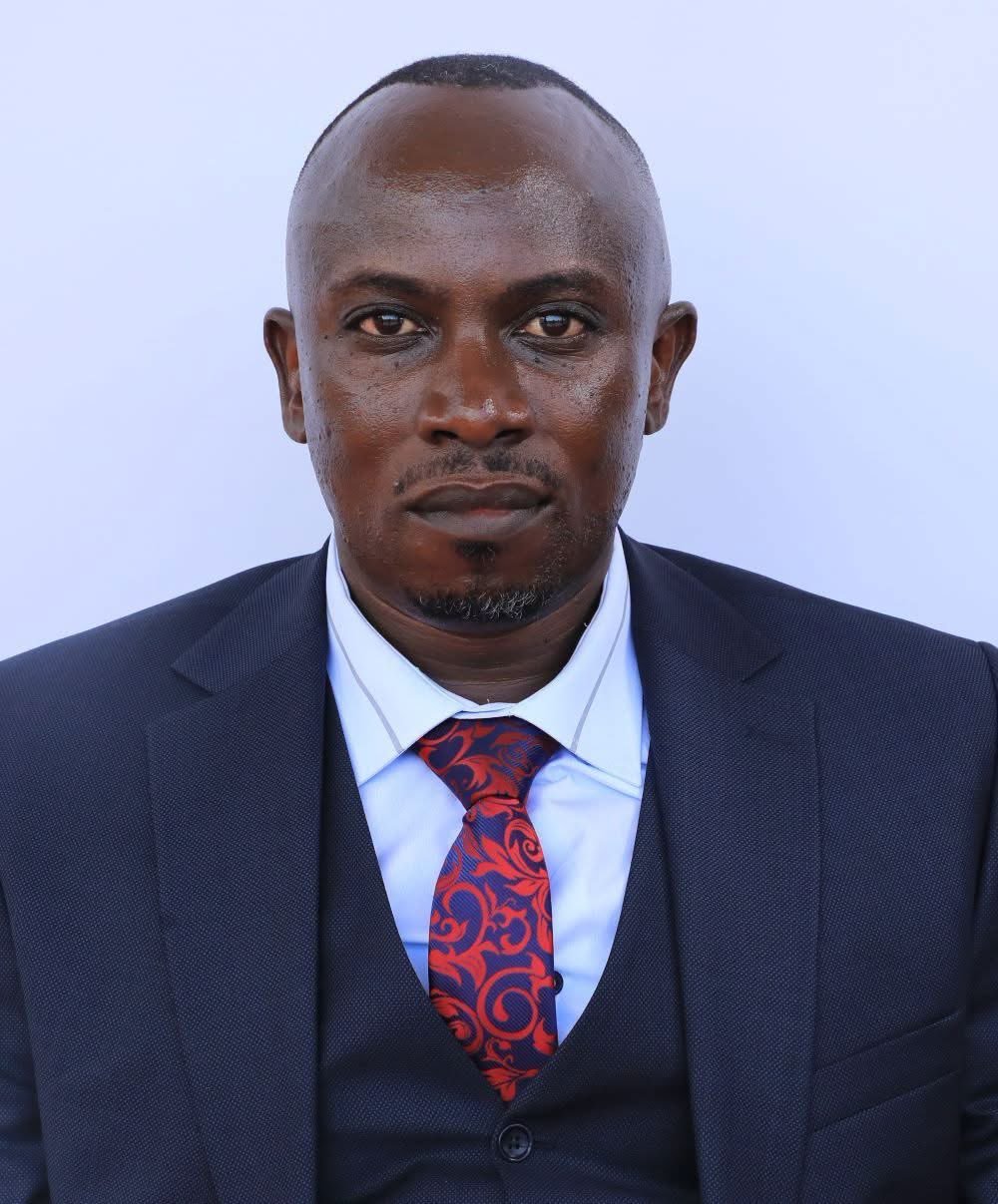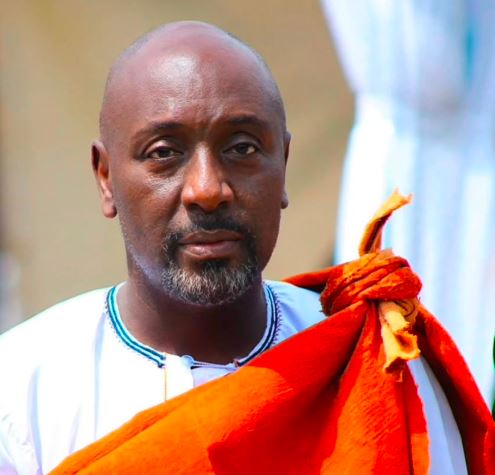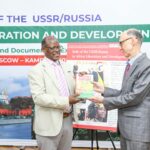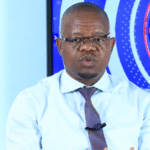


Yesterday,the succession committee of the Babiito Clan, named Prince Edward Rukidi Kijanangoma as the next Omukama of Tooro ending a week-long process that involved nominations, selection and extensive vetting.
Prince Edward is a son of the late Prince Christopher Paul Kijanangoma and grandson of Omukama Sir George David Rukidi Kamurasi III,
A 21-member team entrusted with the responsibility by the Babiito clan considered candidates from different generations of the royal family before settling on Kijanangoma.
Father Oyo, a member of the succession team, said the group began its work about a week ago and first established criteria to guide the search for a suitable successor.
“We had a lot of discussions. We set out the criteria that guided us to have the right starting point. And at the same time, we looked at different generations,” Father Oyo said.
The team considered members of different generations within the royal family, including the generation of the late King Oyo, before moving to the generations of Kaboyo and former King Rukidi III.
Kijanangoma emerged from the Rukidi III generation. His father, the late Prince Christopher Paul Kijanangoma, was a son of former Omukama Sir George David Rukidi III, making Kijanangoma one of the former king’s grandchildren.
But lineage alone did not determine the choice, according to Father Oyo. The succession team also assessed what it described as the leadership competencies required of the next king, including education, experience, knowledge of Tooro culture, and an understanding of the kingdom’s customs, traditions and rituals.
“These days, we are talking about competence-based education, but we were also looking forward to competence-based leadership. So we looked, we had a line of skills that are required for someone to become a leader,” he said.
The team, he said, wanted a leader capable of listening to the people, articulating their concerns, engaging government and other stakeholders and delivering results. The candidates were also assessed on their connection to Tooro and their understanding of its cultural institutions.
“We also considered the competences, the experience this person has, their acquaintance with the culture of Tooro, acquaintance with the rituals, customs and traditions of Tooro Kingdom,” Father Oyo said.
He said the team was also concerned about the wider social responsibilities of the next king, including the need to promote strong families, discipline and a cultured population.
“What are our needs today? We need good families. We need good children. We need discipline. We need cultured citizens,” he said.
From nomination to vetting
The succession process was not based on a simple vote, Father Oyo said. Instead, the team began with nominations, followed by selection and then detailed vetting of the proposed candidates.
“No, no, no. We had nomination. After nomination, there was a criteria that we followed to pick out someone who is going to go to another stage. After nomination, we did the selections. After selections, we followed with vetting,” he said.
The candidates were then ranked according to priority before members of the team engaged them individually.
“We had to vet them seriously and critically until we found that out of these, we had a number of names. Others were contacted and they declined because they had other responsibilities,” Father Oyo said.
Acceptance of the responsibility was itself an important part of the process.
According to Father Oyo, one of the candidates who had been ranked ahead of others declined after being approached, saying he had other responsibilities to undertake. He confirmed that Prince George, whose name had earlier featured in discussions about the succession, was among those who declined.
“He declined because he has other responsibilities that he has to undertake. So that is his right,” Father Oyo said.
The process eventually led the team to Kijanangoma, who accepted the responsibility of becoming the next king.
“The next one, good enough, accepted the responsibility and we gave him the opportunity to be our next king,” Father Oyo said.

Why not Oyo’s children?
Father Oyo said the clan could not base its decision on reports circulating outside the traditional succession process.
He explained that, under Tooro customs, children born into the royal family are introduced to elders, who perform ceremonies and rituals before the children are named and formally recognised.
He said children destined for leadership are traditionally raised and trained to understand the kingdom, its culture and its responsibilities before they can assume leadership.
“We know that here in Tooro, when a child is born, this child is introduced to the elders and the elders perform a number of ceremonies and rituals. They name the child. They have a celebration,” he said.
He added that a child identified for future leadership would be taken through formal training and allowed to develop through different stages until reaching adulthood and acquiring the capacity to lead.
The explanation comes amid claims from members of King Oyo’s immediate family that the late monarch left a will naming his son as his successor.
The family has since rejected Kijanangoma’s selection, setting up a dispute over the succession.
Kijanangoma informed
Father Oyo said Kijanangoma was informed after the vetting process and accepted the responsibility. The prince, who worked for Uganda Broadcasting Corporation for about 10 years after previously working in Rwanda, reportedly expressed surprise at the announcement.
Kijanangoma is the son of the late Prince Christopher Paul Kijanangoma and a grandson of former Omukama Sir George David Rukidi III.
Coronation to follow burial
The succession announcement comes as Tooro continues to mourn King Oyo, whose body remains at the royal palace ahead of his burial. Father Oyo said the selection of a new king would not interrupt the mourning period for the late monarch.
“We have got a new king, but we have lost our king. And we loved him,” he said, describing Oyo as a gentle man who brought together many people and became an icon of Uganda.
The succession team will now engage different stakeholders as preparations begin for the installation of the new monarch.
Father Oyo said the date for Kijanangoma’s coronation had not yet been fixed, although he noted that Tooro traditionally considers a period of nine days when organising major activities.
“It’s not yet decided when, but usually for us, we count nine days for every complete activity that there is. When that happens, we’ll be informing you and informing the public about that,” he said.
The selection of Kijanangoma, however, has already been challenged by members of King Oyo’s immediate family, who insist that the late king’s son is the rightful heir.
The competing claims now leave the Tooro succession at a delicate point, with the Babiito succession team standing by its process and the late king’s family questioning the decision.