
The minister for Science, Technology and Innovation, Eng Jonard Asiimwe, has pledged government support for the commercialisation of Inspire Coffee, as efforts to boost value addition in Uganda’s coffee sector gather momentum.
Asiimwe made the commitment during his first official visit to the Africa Coffee Park in Ntungamo district, where he assessed progress on one of the country’s flagship industrialisation projects.
The visit was part of the minister’s familiarisation tour of science and technology innovations supported by government. He was accompanied by a technical team from the Science, Technology and Innovation Secretariat, including under secretary Peter Ourien and other senior officials.
At the facility, the delegation was received by Inspire Africa Board chairperson Dr Robert Limlim and chief executive officer Nelson Tugume, who led them on a guided tour of the park.
The minister inspected key components of the project, including a fertiliser plant in Nyabihoko that uses coffee by-products and animal waste to produce organic fertiliser, as well as a water treatment plant in Kahengye designed to supply up to two million litres of water daily for industrial use.
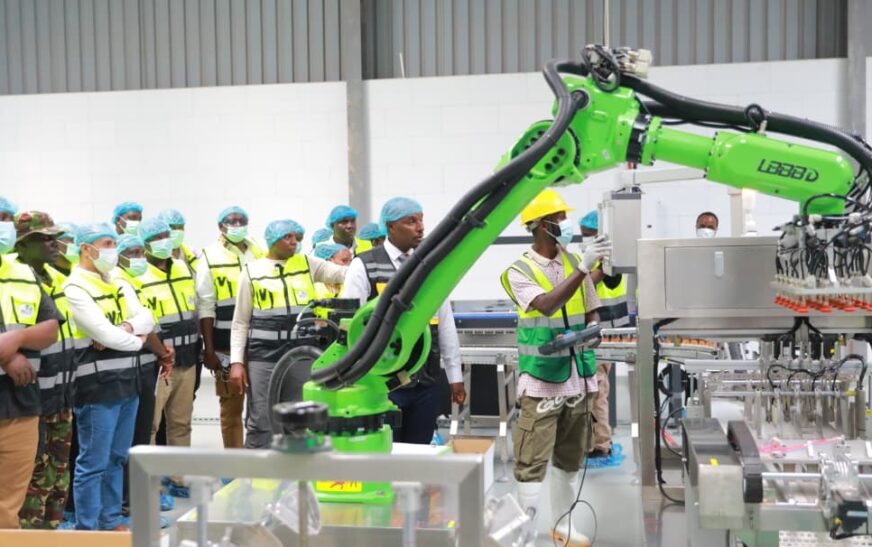
He was also taken through advanced processing technologies such as roasting, spray drying and freeze drying, which are central to producing high-value coffee products.
Dr Limlim thanked government for its continued support but urged authorities to fast-track the extension of industrial electricity to the park so that production can begin at scale.
“We have now sorted the issue of water. We are therefore requesting government to expedite the electricity line so that we can start industrial-scale production,” he said.
Tugume called for policies to stimulate local coffee consumption and support sector growth, including introducing coffee in secondary schools.
“We are grateful to government for its continued support. We are requesting that government promotes consumption of coffee in our schools,” he said.
“While in high school, we took tea every day. Why can’t we now have coffee in secondary schools on Mondays, Wednesdays and Fridays?”
He also proposed imposing taxes on imported coffee once Uganda begins large-scale production of soluble coffee, as a way of protecting the local industry.
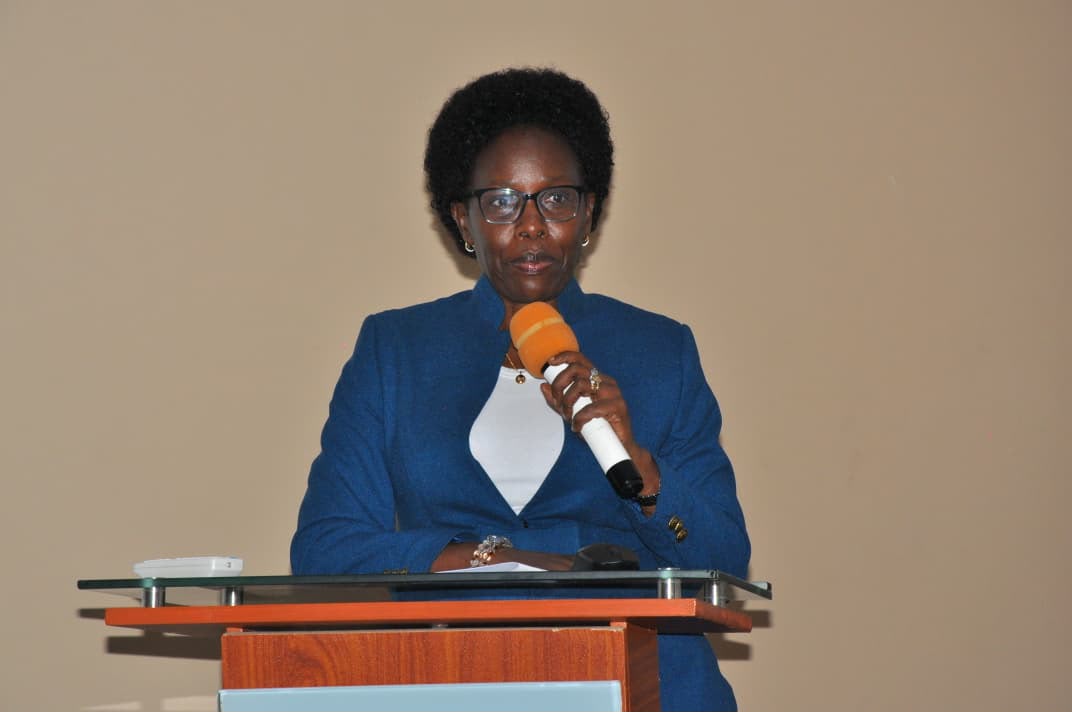
Asiimwe commended Inspire Africa Group for what he described as a transformative project aligned with Uganda’s economic ambitions, and reaffirmed government commitment to innovation.

“I am here to affirm that the President has a strong belief in this project and other science initiatives,” he said.
The minister directed his department to develop a market plan for the commercialisation of Inspire Coffee and pledged to present a policy proposal requiring all government agencies to serve locally produced coffee.
He also expressed support for introducing coffee consumption in secondary schools as part of efforts to grow domestic demand.
In addition, Asiimwe tasked his technical team to expedite the valuation process to enable government acquire a formal stake in the Africa Coffee Park.
During the visit, the minister addressed more than 100 coffee farmers, encouraging them to take advantage of opportunities created by the project, including supplying coffee to the park.
He also urged them to invest in complementary businesses such as hotels and accommodation facilities to support anticipated growth in the area.
“This project will attract many visitors. We don’t want to leave you behind,” he said.
The Africa Coffee Park sits on 150 acres and is expected to become the largest coffee processing and value-addition hub in Eastern Africa.
The facility will use modern technologies, including freeze drying, to produce instant coffee, beauty products and energy drinks derived from coffee.
The project aligns with Uganda’s fourth National Development Plan (NDP IV), which identifies coffee as a priority value chain for industrialisation and export growth.
If fully operational, the park is expected to boost farmer incomes, create jobs and strengthen Uganda’s position in the global coffee market.