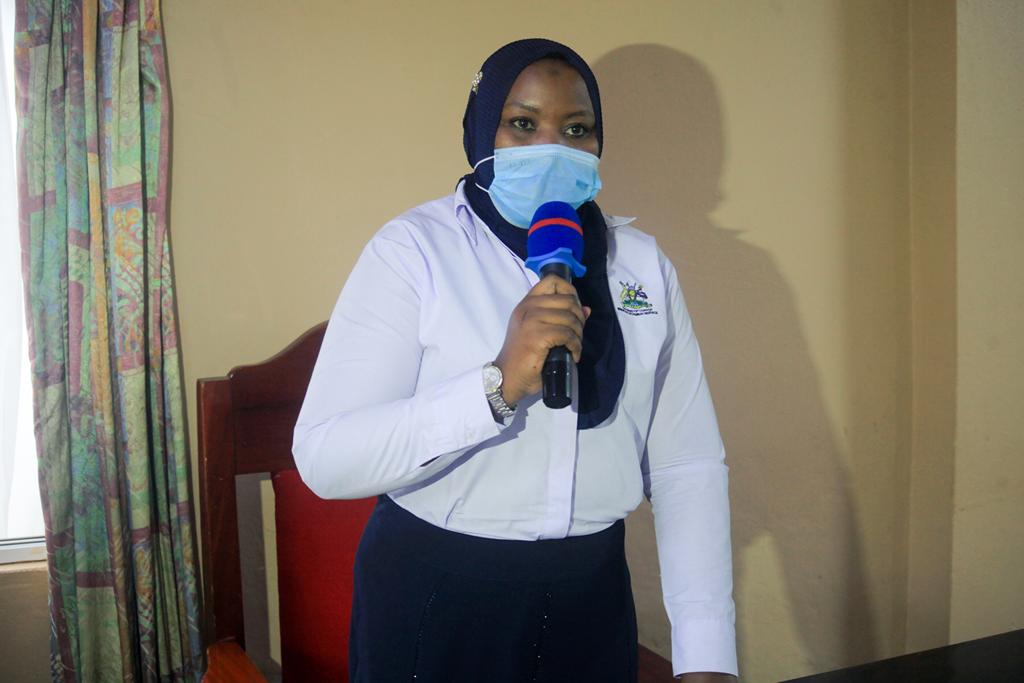

President Yoweri Museveni has defended field inspection tours by Ministers Balaam Barugahara and Justine Nameere, saying their direct engagement with citizens is helping expose corruption that has been shielded by government officials and sections of the elite.
Museveni said concerns that the ministers could be “Kutomera”, or acting blindly by moving into communities to investigate complaints, were unlikely to be justified because of the widespread corruption allegations and the evidence emerging from citizens.
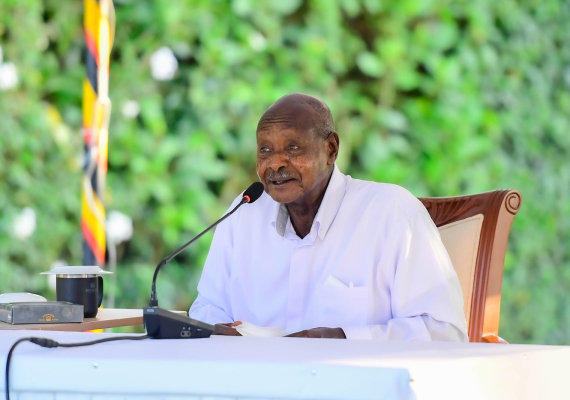
In a statement, Museveni said corruption had become so frequent that his campaigns were at one point interrupted by complaints from angry citizens over alleged misuse of the Parish Development Model (PDM) funds and other government programmes.
“I have told you before, that during the campaigns, my campaigns had to be interrupted to deal with the information from the angry citizens about corruption in PDM, etc,” Museveni said.
He said he had also previously received complaints from elders in Bunyoro about the alleged sale of local government jobs, while reports of “ghost” learners and teachers in government schools and health centres continued to emerge.
Museveni said these cases demonstrated that the concerns raised during the ministers’ field visits should not simply be dismissed as baseless allegations.
“Therefore, the fear that the Barugaharas and Nameeres may Kutomera, may not be based on facts,” he said.
The President called on the Director of Public Prosecutions (DPP) to designate an officer to urgently assess the evidence gathered from the field inspections and determine cases that can be taken to court.
“The challenge now is for the DPP to have a dedicated officer that can quickly assess the abundant evidence against these criminals so that they are prosecuted,” he said.
Museveni identified what he described as two major obstacles in the fight against corruption: the alleged cover-up by officials responsible for protecting public resources and the failure by sections of the elite to report corruption despite having access to decision-making centres.
He said the direct approach adopted by Barugahara and Nameere, including holding public gatherings, had helped them bypass what he described as a network of officials shielding corrupt actors.
“The main problems on the issue of corruption have been two: the cover up by the responsible officials that should be protecting national interests and the failure to report by the elite that have access to the decision-making centres,” Museveni said.
He added that some members of the elite had demonstrated patriotism by reporting corruption instead of protecting those involved.

Museveni cited Byamukama as an example, saying he had alerted him to a racket involving extorters allegedly operating from State House.
“One of them is Byamukama, who exposed to me the racket of extorters that were operating in State House, here. He reported them to me, and we trapped the thieves and arrested them,” Museveni said.
He maintained that corruption could be contained if government officials refused to protect wrongdoers and citizens reported cases when they encountered them.
“This corruption in Uganda is stoppable. Do not cover-up if you are a Government officer and report if you are a citizen,” he said.
Museveni also revealed that he had previously assigned former minister Raphael Magyezi to follow up corruption complaints brought to his attention by citizens.
He said Magyezi visited some of the affected areas but suggested that the follow-up had not resulted in the decisive action expected.
“I had, indeed, sent the former Minister Magyezi to follow up the issues of corruption the People had reported to me. He did go to these places but, it seems, decisive action had not been taken,” he said.
The President said the response of citizens to the recent field inspections demonstrated their appetite for direct engagement with government officials and their willingness to report problems affecting them.
He compared the public response to the ministers’ meetings with the early years of the National Resistance Movement (NRM), when large crowds attended government and party meetings voluntarily.
“We are back to the earlier NRM days when huge crowds would flock voluntarily to our public meetings without being given water to drink, food, hiring tents for the local elite while the masses stay in the rain or the sun,” Museveni said.