
Uganda is facing a growing child protection crisis as increasing numbers of minors are exposed to pornographic content and online sexual exploitation at an early age, the Pornography Control Committee has warned.
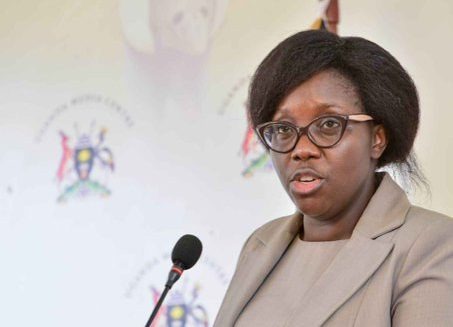
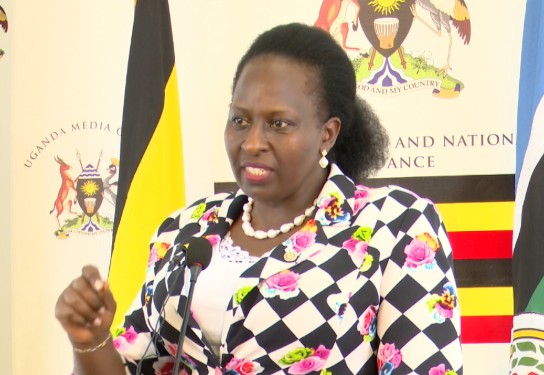
Speaking at a press conference at the Uganda Media Centre, committee chairperson Annette Kezabu said digital technology has made explicit material more accessible than ever, exposing children both intentionally and accidentally through smartphones and shared household devices.
“We are witnessing not harmless consumption, but a quiet and dangerous normalisation of child sexual exposure in the digital space,” Dr Kezabu said.
She noted that pornography is no longer hidden but is now embedded in everyday digital interactions, circulating rapidly across social media and messaging platforms, making it difficult to shield children.
Government, through the committee, the Directorate of Ethics and Integrity, and the Uganda Communications Commission, has responded by blocking hundreds of pornographic websites. However, Dr Kezabu warned that technological controls alone cannot solve the problem.
“Blocking sites is only the beginning. We must go further and work together as a country,” she said, urging stronger involvement from parents, educators, and the media.
The committee has intensified school outreach programmes, targeting teachers and administrators to raise awareness. But officials say many parents remain unaware of the scale of exposure, often underestimating how early children encounter explicit content.
Experts warn that early exposure can lead to emotional distress, distorted views of relationships, and risky behaviour, with some children pushed toward exploitation or harmful actions.
Officials also raised concern over the use of pornography in grooming, with predators exploiting children’s curiosity and normalising abuse through digital platforms.
At the same event, Joel Wanjala from the Directorate of Ethics and Integrity described the trend as part of a wider moral crisis, linking it to rising indiscipline, drug abuse, and breakdown of family structures.
He cautioned that Uganda’s development ambitions could be undermined if the erosion of values is not urgently addressed.

“There are increasing cases of teenage pregnancies, abortions and pornography consumption among students. These are clear warning signs,” he said.
Mr Wanjala cited government interventions such as the National Ethical Values Policy and the Anti-Pornography Act, which established the committee, alongside efforts to integrate moral education into schools.
Meanwhile, Ibrahim Bbosa of the Uganda Communications Commission said regulators have received numerous complaints about the spread of pornographic content across telecom and broadcast platforms.
He revealed that more than 500 websites have been blocked following a directive issued to service providers earlier this month.
Mr Bbosa urged the public to take responsibility in protecting children online, warning that early exposure can lead to addiction and long-term psychological harm.
Quoting scripture, Mr Wanjala added: “If the foundations are destroyed, what can the righteous do?” calling for collective action to rebuild societal values.
Dr Kezabu emphasised that safeguarding children requires a united national effort.
“A child should be free to grow, learn and play, not to be exposed to exploitation and premature adult content,” she said. “If we do not act deliberately, we risk raising a generation shaped by pornography and unchecked digital influence.”