
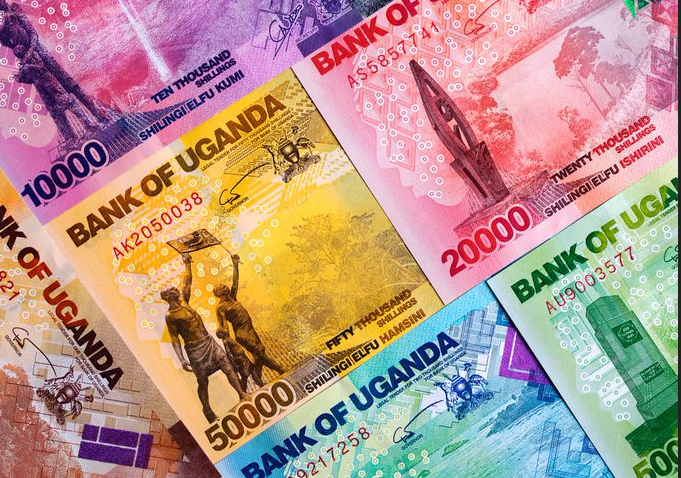
The Uganda shilling weakened by about one per cent against the US dollar during the week to November 13, pressured by demand from offshore investors, energy companies and manufacturers, according to Absa Bank Uganda.
The local currency was trading at Shs4,135/4,145 against the dollar on Friday morning, compared with Shs4,087/4,097 at the close of the previous week.
In its weekly markets update, Absa attributed the depreciation largely to demand from offshore investors exiting positions in the secondary securities market, alongside demand from energy firms and manufacturers.
Richard Nsubuga, Absa Bank Uganda’s head of trading in Corporate and Investment Banking Markets, said the shilling could regain some resilience in the coming days, supported by tight liquidity in the money market and seasonal year-end inflows.
The pressure on the shilling comes amid tighter liquidity conditions following the Bank of Uganda’s decision to widen the interest rate corridor during its Monetary Policy Committee meeting on November 9.
The central bank revised the corridor from plus or minus two per cent to plus or minus three per cent, a move that has increased the cost of accessing short-term liquidity from the central bank for commercial banks.
At the same meeting, the Bank of Uganda maintained the Central Bank Rate at 12 per cent, citing rising inflation risks, while revising its economic growth projection downwards to between 5.5 and six per cent.
Overnight and one-week interbank lending rates averaged between 12 and 16 per cent during the week, reflecting tight liquidity conditions in the financial system.
The Bank of Uganda is scheduled to hold a Treasury bill auction on November 18, with Shs350 billion on offer. Absa expects yields to remain broadly stable, supported by reasonable investor demand.
The Kenyan shilling also weakened during the week, with pressure coming from corporate demand and offshore investors exiting portfolio positions.
The currency was trading at Sh129.95/130.05 against the dollar on Thursday. The Central Bank of Kenya intervened on several occasions by selling foreign currency, providing some support to the local unit.
Absa expects the Kenyan shilling to trade within a range of Sh129.30 to Sh130.50 in the near term.
On the international market, the US dollar strengthened, with the dollar index remaining above 103 on Friday after rising for three consecutive sessions to its highest level since April 2025.

The gains were driven by stronger-than-expected US inflation figures and expectations that the Federal Reserve could adopt a more aggressive approach to interest rates. Some policymakers have indicated that a 50-basis-point increase could be necessary to bring inflation under control.
Renewed geopolitical tensions involving Iran also supported the dollar after the US administration indicated that it no longer needed an agreement with Tehran.
The euro weakened, falling below $1.11 to its lowest level since March 2025, as expectations of further US interest rate increases in December strengthened the dollar.
Political and fiscal uncertainty in France, concerns about the eurozone’s growth outlook and speculation over the succession to the European Central Bank presidency also weighed on the euro.
Sterling similarly remained under pressure, trading below $1.33 despite stronger-than-expected UK economic data.
Meanwhile, international crude oil prices hovered around $89 per barrel on Friday after recovering in the previous trading session.
The market remained sensitive to developments in US-Iran tensions, particularly after Washington said it no longer needed an agreement with Tehran. Iran has maintained that the US must lift its naval blockade and sanctions before direct peace negotiations can begin.
Despite the geopolitical uncertainty, oil prices were heading for a second consecutive weekly decline, supported by recovering crude exports from the Middle East and expectations of a quicker end to the conflict.
Gold recovered above $3,900 per ounce on Friday after three consecutive sessions of losses. However, the precious metal remained on course for a significant weekly decline, weighed down by a stronger dollar and rising US Treasury yields.
Expectations of more aggressive interest rate increases by the Federal Reserve have also reduced the attractiveness of gold, which does not pay interest.
Richard Nsubuga is the head of trading in Corporate and Investment Banking Markets at Absa Bank Uganda.