
The Ministry of Tourism, Wildlife and Antiquities has urged tourism players to embrace digital technologies and artificial intelligence, warning that destinations that fail to establish a strong online presence risk being left out of the global tourism market.
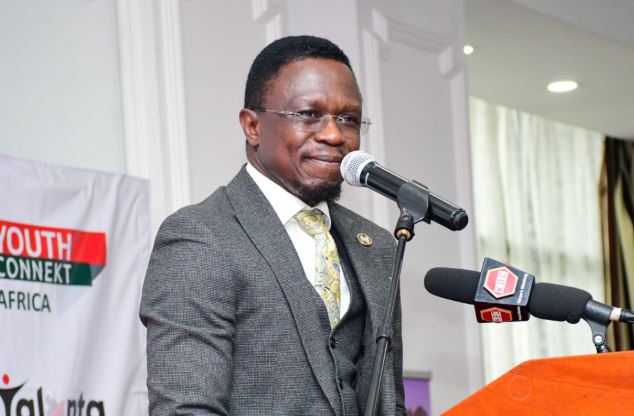
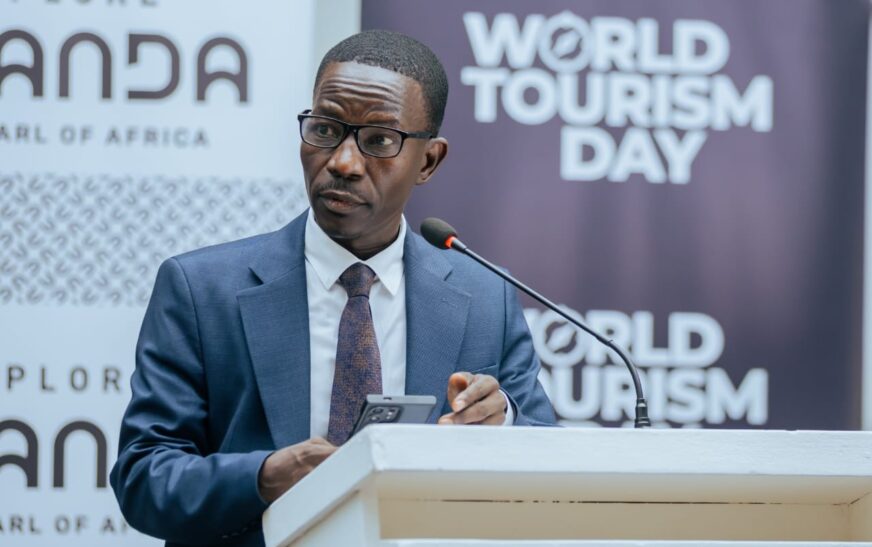
“If we are not visible on the digital highway, we are virtually invisible to the world,” Geoffrey Sseramba, the under secretary in the Ministry of Tourism, Wildlife and Antiquities, said.
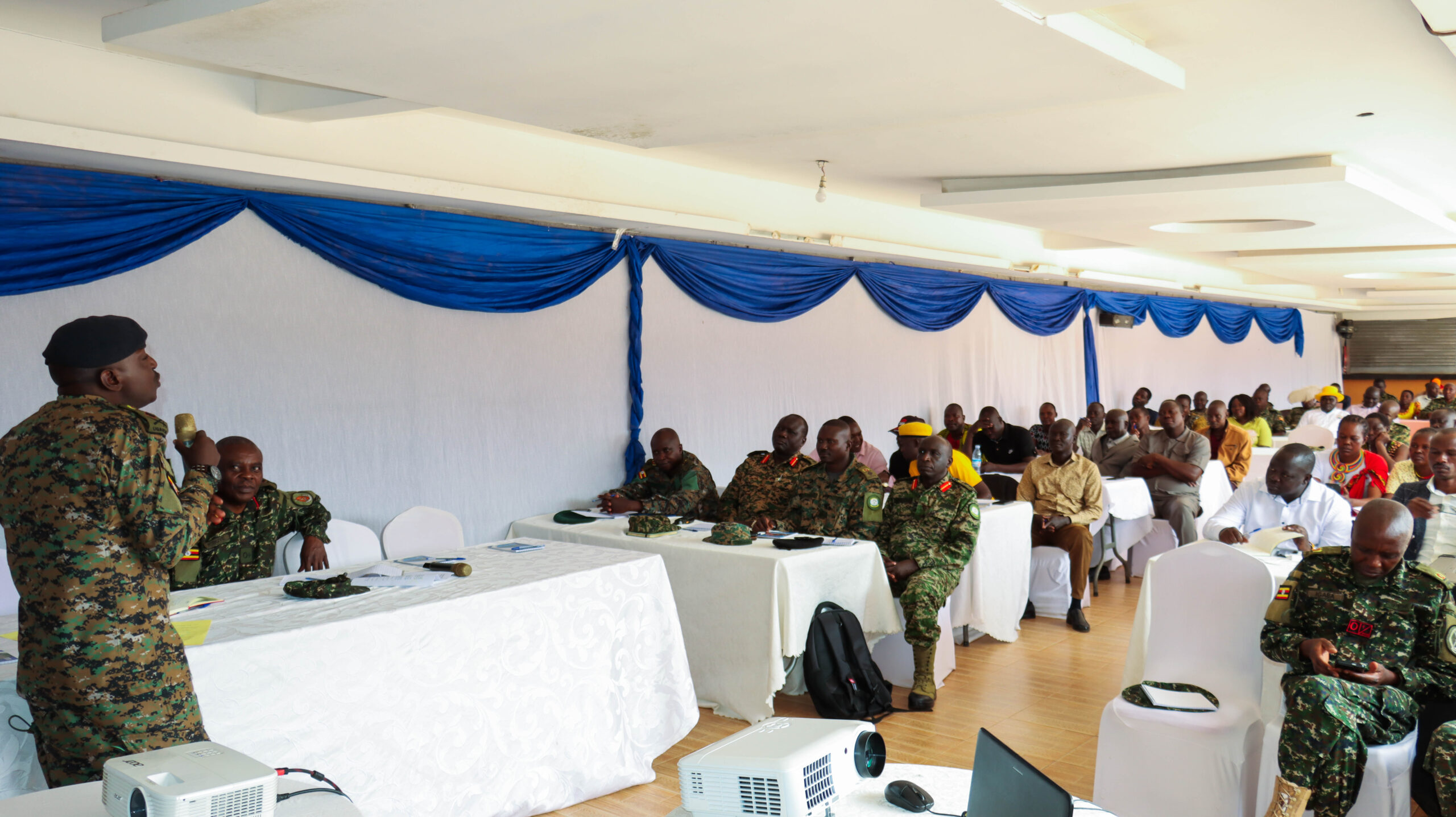
Sseramba made the remarks during a thematic conference held at the National ICT Hub in Nakawa, Kampala, as part of preparations for the World Tourism Day celebrations in Mbale City.
The conference was held under the theme, “Digital Agenda and Artificial Intelligence to Redesign Tourism,” and brought together tourism and technology stakeholders to discuss how digital tools can transform Uganda’s tourism industry.
Sseramba was representing Mrs Doreen S. Katusiime, the Permanent Secretary in the Ministry of Tourism, Wildlife and Antiquities.
He said the way tourists discover, compare, book and review destinations has increasingly shifted to digital platforms, making online visibility an important part of a country’s competitiveness.
“The modern global traveller discovers, compares, books and reviews their entire journey through digital interfaces. A destination’s online visibility is now directly tied to its global competitiveness,” he said.
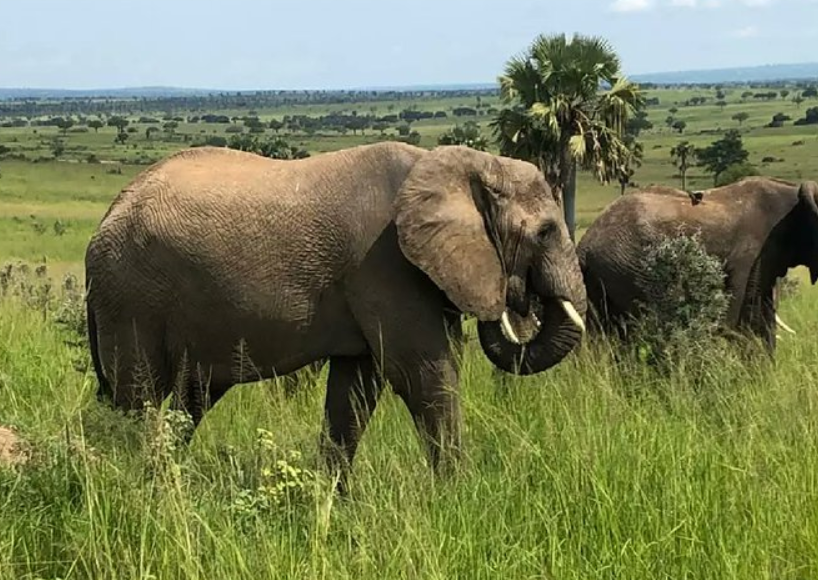
Sseramba said Uganda could no longer view tourism only through its physical attractions, such as national parks, the Rwenzori Mountains and the country’s cultural heritage, but must also connect these assets to digital platforms.
He said artificial intelligence could be applied beyond destination marketing to improve conservation, visitor management and the overall tourist experience.
He cited the use of predictive data to support anti-poaching efforts, smart analytics to monitor ecotourism footprints and automated payment systems to improve services at tourism sites.
However, Sseramba warned that the digital transformation could leave behind small and medium tourism enterprises if efforts were concentrated on large hotels, tour operators and other established businesses.
“Smart tourism cannot be exclusive. It must be democratic,” he said.
He said community-based tourism initiatives, craft groups, tour guides and other small players should be able to appear on digital maps, market their services online and receive digital payments.
Sseramba said government, together with development partners such as the United Nations Development Programme, was seeking to build the capacity of young people, tour guides and conservationists to participate in the digital tourism economy.
He also challenged young technology developers to create solutions tailored to the needs of the tourism industry.
“We do not just need standalone apps; we need a synchronised ecosystem,” he said, urging innovators to develop tools capable of translating indigenous stories into different languages and booking systems that can connect local transporters to international payment systems.
Sseramba said the government was also working with the Ministry of ICT and security agencies to integrate artificial intelligence and automated data systems into tourism operations.
Among the initiatives he cited were plans for AI-powered CCTV surveillance to support wildlife tracking and park security, digital content hubs for destination marketing and predictive analytics to help track visitor trends and promote lesser-known tourism attractions across the country.

He said the government also planned to support private-sector technology initiatives aimed at promoting and developing tourism, citing initiatives by Tubayo and Canine Safaris as examples of private-sector innovation.
Sseramba said technology should not be treated merely as a communication tool but as an economic driver capable of creating employment opportunities for young Ugandans.
During a panel discussion at the conference, tourism stakeholders further explored how artificial intelligence could be used to improve Uganda’s visibility and competitiveness in the global tourism market.
Natasha Agaba, senior digital marketing officer at the Uganda Tourism Board, said Uganda needed to play a more active role in shaping the information artificial intelligence systems use to present the country to potential visitors.
“If we, as a country and as different entities and institutions, could teach AI, then we could help change that narrative,” Agaba said.
She described the relationship between Uganda and AI as a partnership in which the country should not simply consume information generated by artificial intelligence but also contribute accurate information about its tourism products and attractions.
Arthur Lwamafa, senior marketing manager at the Uganda Tourism Board, said artificial intelligence had already become part of the traveller’s decision-making process.
“We used to think of AI as something on the horizon. It is not on the horizon anymore, it is in the traveller’s pocket, shaping their itinerary before they have even spoken to a tour operator,” Lwamafa said.
He said Uganda therefore needed to ensure that the information available to AI systems accurately represented the country’s wildlife, people and culture.
Brian Namanya, chief executive officer of Tubayo, said the adoption of AI should not undermine the human element that remains central to hospitality.
“AI is not here to replace the human touch,” Namanya said. “If you walked into a shop on the street, you do not want a machine doing everything for you.”
He said one of the clearest benefits of AI for tourism businesses was the speed with which entrepreneurs could develop and market their products.
Namanya recalled that building his own business website previously took him nearly six months, whereas technology has now made it possible to develop and market several products within a much shorter period.
“Today, in about 30 minutes, you can create and put many products on the market,” he said.
However, Namanya cautioned tourism businesses against allowing the speed offered by AI to compromise the quality of their products and services.