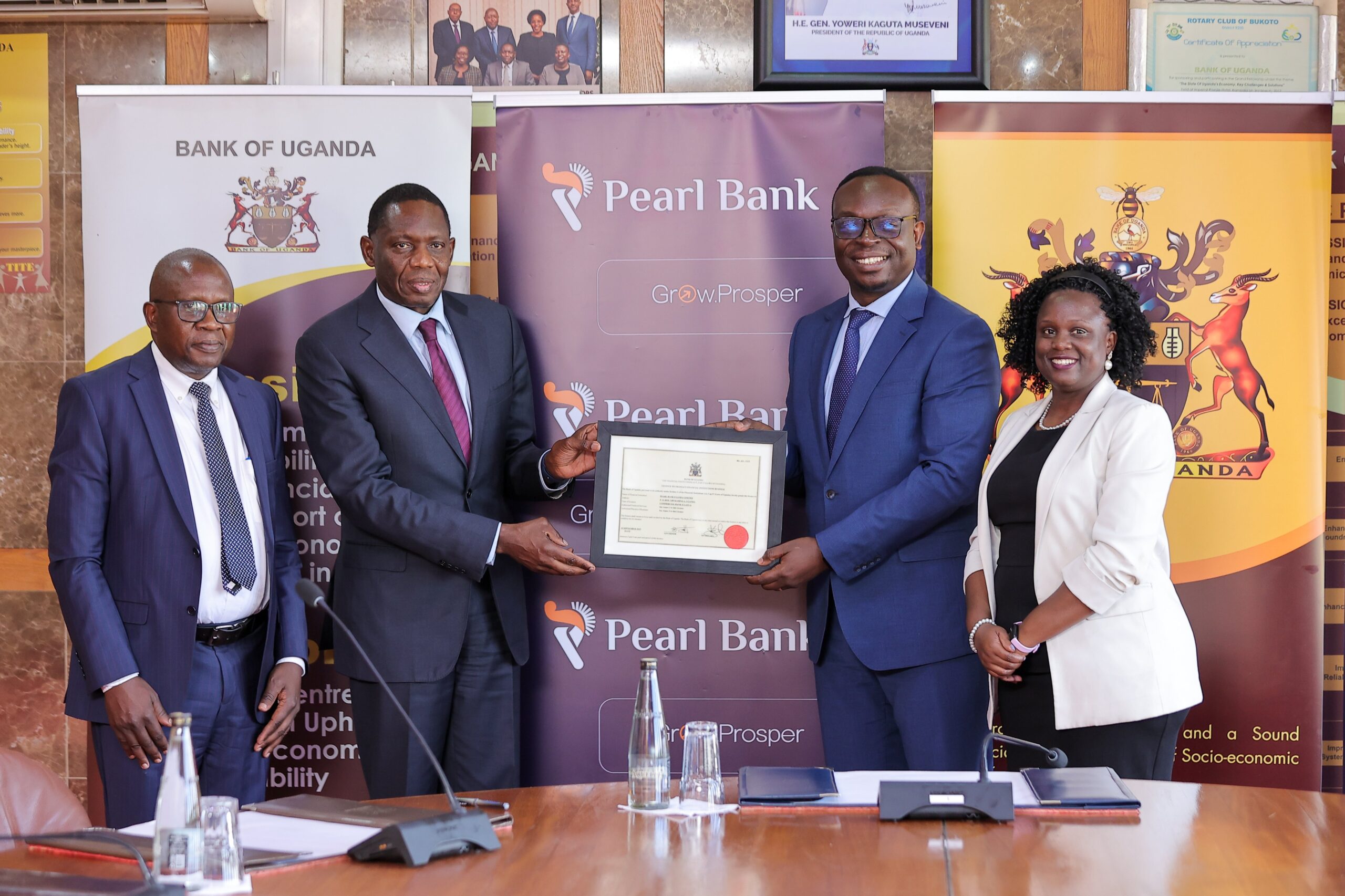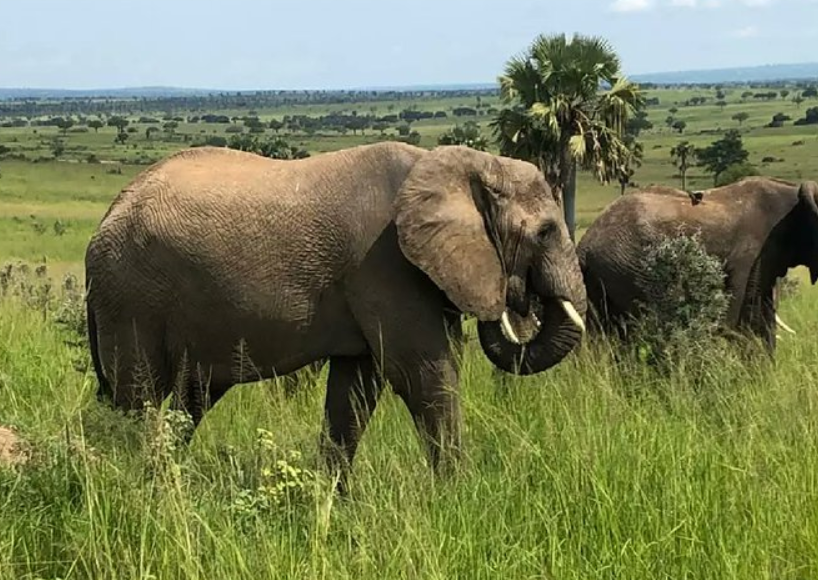


Uganda is ramping up efforts to position itself as a prime investment destination in tourism and hospitality, as it gears up to host the Future Hospitality Summit (FHS) Africa in February 2027.
The announcement was made by Uganda Tourism Board (UTB) Chief Executive Officer Juliana Kaggwa during a press briefing at the board’s offices, signaling a strategic push to attract global investors into the country’s growing hospitality industry.
Uganda is increasingly banking on a resurgent tourism sector to drive foreign direct investment. According to figures shared at the event, international tourist arrivals have rebounded to over 1.6 million, with tourism earnings climbing to between $1.6 billion and $1.7 billion.
Roy Bannister, Business Development Director for FHS Africa, said Uganda is steadily capturing the attention of global hospitality investors.
“FHS Africa is focused on unlocking investment opportunities across the continent. Uganda’s reputation on the global stage continues to improve, and the message is clear — the country is now firmly on the radar of international investors,” Bannister noted.
He added that the summit will bring together global investors, developers, and leading hospitality brands to explore opportunities and strengthen Africa’s tourism investment landscape.
Kaggwa described Uganda’s tourism sector as still evolving, noting that significant investment only began in the mid-1990s. However, she emphasized that the country holds vast untapped potential across the entire tourism value chain.
“We need more accommodation facilities, diversified tourism products, and enhanced visitor experiences if we are to compete with established destinations like South Africa, Thailand, Peru, and Ecuador,” she said.
She reiterated that tourism has been identified among Uganda’s four priority “ATM” sectors—alongside agriculture, minerals, and science and technology—due to its strong revenue potential. The government, she said, is accelerating investments to unlock growth in the sector.
Kaggwa added that hosting the FHS Africa summit presents a critical opportunity to elevate Uganda’s global profile and cement its position as an emerging hub for hospitality investment.
Rita Mugalu, Deputy Director for Investment Promotion at the Uganda Investment Authority (UIA), said the summit aligns with the country’s broader economic ambitions, including attracting international hotel brands, boosting foreign direct investment, and creating employment opportunities.
“Tourism remains a key driver of our economy, and we see it as a major avenue for growing GDP and attracting quality investment,” Mugalu said.
She highlighted Uganda’s regional advantage under the East African Single Tourist Visa framework, which enhances its appeal to both regional and international travelers.

Mugalu added that UIA is working to ensure that investment translates into tangible benefits such as job creation, skills development, and capacity building, particularly for young Ugandans. She revealed ongoing collaboration with the Uganda Wildlife Authority to identify conservation areas suitable for tourism investment and concession opportunities.
“The sector offers attractive incentives, including VAT exemptions and up to 10-year income tax holidays for qualifying investments,” she noted, adding that UIA’s One-Stop Centre continues to facilitate investors.
Jane Byamugisha, Chief Executive Officer of the Uganda Hotel Owners Association, described Uganda’s successful bid to host the summit as a landmark achievement.
“This is a full-circle moment for us. Eight years ago, attending the Africa Hotel Investment Forum in Nairobi felt aspirational. Today, Uganda is hosting the summit, and it reflects how far we have come,” she said.
Byamugisha emphasized the need to expand investment beyond Kampala to high-potential tourism areas such as national parks, lakeside regions, and culturally rich communities.
On workforce development, Kaggwa noted that the tourism sector currently employs an estimated 803,000 Ugandans, underscoring the need for continuous skills development.
She pointed to ongoing government investments in training institutions such as the Uganda Hotel and Tourism Training Institute in Jinja, where facilities have been upgraded to meet international standards and student intake expanded.
“These efforts are being reinforced through partnerships with the private sector, development partners, and diplomatic missions,” she said, citing organizations like Enabel, which support industry upskilling initiatives.
Training programs now extend to tour operators, birding guides, and park service providers, with a growing focus on digital skills, including artificial intelligence, as well as sustainable tourism practices aligned with global standards.
Kaggwa stressed that Uganda’s long-term ambition is to become a leading sustainable tourism destination, anchored on strong human capital and continuous investment across the sector.