

Uganda is increasingly turning to regional tourism expos as part of a broader strategy to strengthen its “Pearl of Africa” brand and expand its share of the global travel market.
The Uganda Tourism Board (UTB) used the Karibu-Kilifair 2026 expo in Tanzania to position the country as a competitive destination, targeting international buyers and strengthening partnerships within East Africa’s tourism industry.
The four-day event, held at the Magereza grounds in Arusha, attracted more than 500 exhibitors from over 15 countries, alongside hundreds of travel buyers and thousands of trade visitors, underlining its growing influence as a regional tourism marketplace.
For Uganda, participation in such platforms reflects a calculated shift towards joint marketing and business-to-business engagement, particularly within the East African region where intra-African travel is steadily gaining momentum.
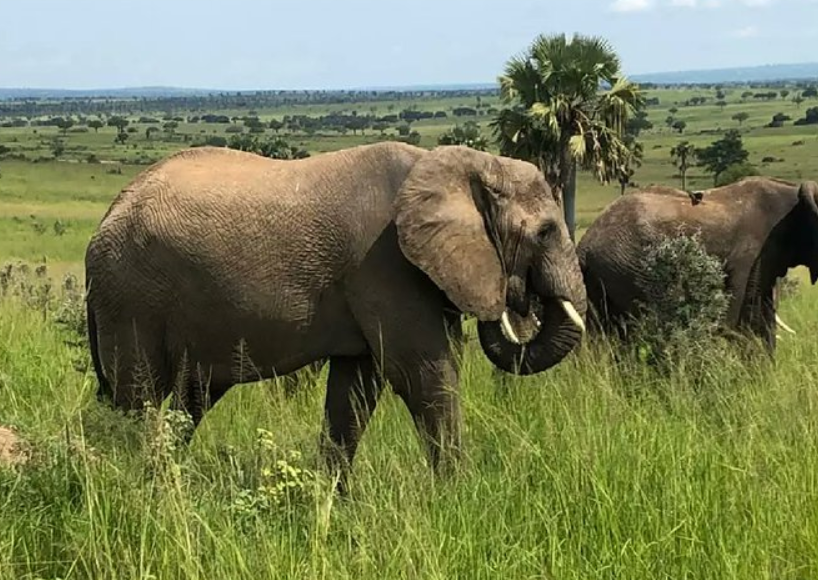
UTB officials say the expo provides an opportunity to directly engage tour operators, investors and travel agents, while showcasing Uganda’s diverse tourism offerings ranging from wildlife and nature to culture and adventure experiences.
Working alongside the Uganda Consulate in Arusha, the Board sought to deepen Destination Uganda’s visibility, with officials describing the collaboration as critical in unlocking regional and international opportunities.
Dr Gessa Simplicious, UTB’s head of public relations, said the fair plays a strategic role in connecting Uganda to global travel networks.
“Karibu-Kilifair offers an important platform for engaging travel trade partners and showcasing the diversity of experiences that make Uganda a premier destination,” he said.
Uganda’s diplomatic mission in Arusha echoed the importance of regional cooperation, pointing to the city’s position as a key hub for East Africa’s tourism ecosystem.

Ambassador Anne Katusiime said joint efforts in marketing the region can help create new opportunities for travel, trade and investment.
“Our participation reflects our commitment to promote Uganda and regional tourism cooperation,” she said.
Analysts note that Uganda’s growing presence at regional expos signals a recognition that collaboration, rather than competition, could be key to unlocking tourism growth—particularly in attracting long-haul visitors who often consider multi-country itineraries.
However, questions remain about how effectively such engagements translate into actual tourist arrivals and sustained investment, especially in a sector still recovering from global disruptions and facing infrastructure and marketing constraints.
UTB maintains that trade fairs and strategic partnerships will remain central to its approach, as the country seeks to increase market access, attract investment and promote sustainable tourism development.
As competition for tourists intensifies globally, Uganda’s bet on regional platforms suggests a shift towards more targeted, partnership-driven marketing—one that could shape the future trajectory of its tourism sector.