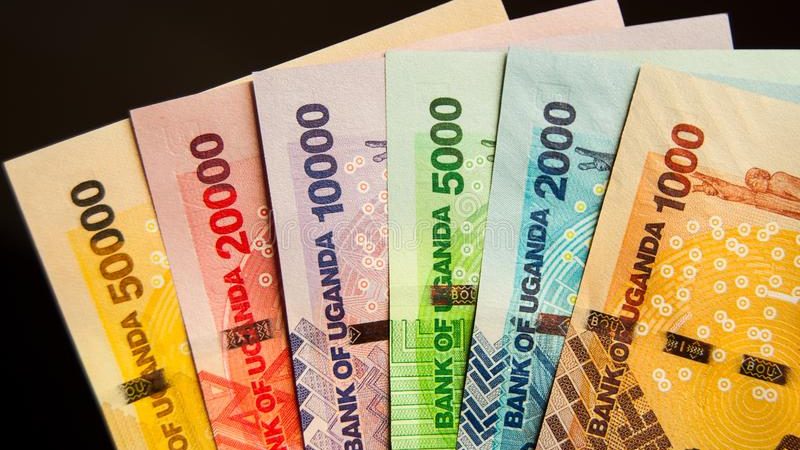

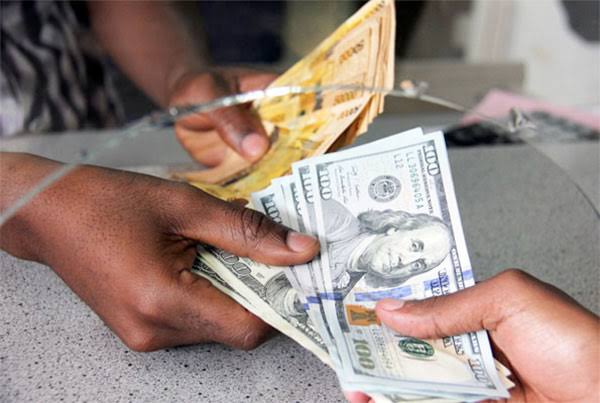
The Uganda shilling traded sideways against the US dollar in last week’s session, supported by a balance between demand and supply in the interbank market.
Market activity showed demand for the greenback largely coming from the energy, manufacturing and telecommunications sectors, while supply was driven by commodity exporters, non-governmental organisations and remittance inflows.
Richard Nsubuga, the Acting Head of Trading, CIB Markets, Absa Bank Uganda says the local unit, however, posted modest gains by the close of the week, trading at 3745/3755 compared to the opening levels of 3770/3780. Analysts say the shilling remains vulnerable to corporate demand pressures and external risks, particularly ongoing tensions in the Middle East.
Traders project the currency to trade within the 3650–3820 range in the near term.
“Liquidity conditions in the money market remained ample, with overnight and one-week rates averaging between 6.75 percent and 10.00 percent. The Bank of Uganda (BoU) continued its liquidity management operations, mopping up Shs 667 billion through open market operations,” Nsubuga said.
Meanwhile, yields declined across the curve during Wednesday’s Treasury bond auction. The 2028, 2032, 2039 and 2050 tenors cleared at 12.50 percent, 14.25 percent, 15.65 percent and 16.00 percent, respectively.
This represented declines of 30, 45, 10 and 29 basis points compared to the previous auction. Government offered Shs 1.4 trillion and accepted Shs 1.36 trillion, translating into Shs 1.45 trillion in cash proceeds.
Across the region, the Kenya shilling came under pressure, with the USD/KES pair trading within the 129.20–129.70 range during the week. The pressure was largely attributed to government-to-government (G2G) oil-related demand.
Looking ahead, the Kenya shilling is expected to trade within the 129.20–129.90 range, with potential support from the Central Bank of Kenya should demand pressures persist.
On the global front, Brent crude prices slipped below $86 per barrel on Friday but remained on course for a monthly gain of more than 20 percent.

The gains have been driven by escalating tensions between the United States and Iran, raising fears of supply disruptions from the Middle East. Despite the geopolitical risks, crude shipments through the Strait of Hormuz have continued, easing immediate supply concerns.
The US dollar index hovered around the 100 mark after recording losses for three consecutive sessions, putting it on track for a weekly decline of more than one percent.
The dollar weakened amid the Federal Reserve’s cautious monetary policy stance and speculation of intervention by Japanese authorities to support the yen. The greenback dropped as much as 3.3 percent against the Japanese currency during the week.
The Federal Reserve held interest rates steady, although three members of the Federal Open Market Committee supported a rate hike. Markets are currently pricing in a 63 percent probability of a 25-basis-point increase in September.
“Elsewhere, the euro strengthened to $1.148, its highest level since mid-June, supported by stronger-than-expected economic data from the eurozone. The data has reinforced expectations of another interest rate hike by the European Central Bank later this year,” Nsubuga said.
The British pound also gained ground, rising to $1.34 after the Bank of England voted 6–3 to maintain its benchmark rate at 3.75 percent. Policymakers warned that inflation risks remain tilted to the upside, driven in part by rising energy costs.
Gold prices slipped below $4,100 per ounce, ending a two-session rally, but remained on track for a monthly gain. The precious metal continued to draw support from safe-haven demand following the Federal Reserve’s decision to hold rates amid persistent inflation concerns.