

By Owen Jacob Ebichinji
Uganda’s retirement landscape is at a critical turning point. While the country has made notable strides in expanding pension coverage, largely driven by institutions such as the National Social Security Fund (NSSF), the manner in which retirees access their savings remains a growing concern. The dominant practice of lump-sum withdrawals continues to expose many retirees to financial vulnerability shortly after exiting formal employment.
In contrast, Income Drawdown Funds (IDDFs)—a structured system where retirees receive periodic income while the remaining balance continues to be invested—are steadily gaining traction in more mature markets such as Kenya. This adoption has been supported by the Retirement Benefits Authority through the Retirement Benefits (Income Drawdown Funds) Regulations, 2023, which require retirees to convert a significant portion of their savings into a regular income stream, either through drawdown funds or annuities.
This regulatory distinction is significant. In Uganda, current frameworks allow retirees to access up to 100% of their retirement savings as a lump sum upon exit, regardless of age. While this provides immediate liquidity, it often leads to rapid depletion of funds, particularly in an environment where retirees carry extended family responsibilities and face rising healthcare costs.
Income Drawdown Funds, by design, offer a compelling alternative. They transform retirement savings into a sustainable income stream, effectively replicating a salary in retirement. This approach provides several advantages, including continued investment growth on the remaining balance, flexibility in withdrawal amounts and frequency, and the ability to adjust income according to changing financial needs. Importantly, well-regulated drawdown schemes also emphasize transparency, strong governance, and regular reporting—key pillars for building trust in Uganda’s evolving pension sector.
The Uganda Retirement Benefits Regulatory Authority (URBRA), mandated to protect beneficiaries and promote transparency, provides the regulatory foundation for secure retirement income products. Under the URBRA Act Cap 232, the oversight and licensing of retirement benefits scheme administrators, including Octagon Uganda Limited, are clearly defined. This ensures the safeguarding of retirees’ funds and builds confidence in emerging products such as income drawdown solutions. In addition, regulated drawdown products already exist under URBRA’s supervision, demonstrating that Uganda’s regulatory environment is capable of supporting structured retirement income solutions.
Despite these advantages, uptake in Uganda remains low. Only a limited number of providers, such as Octagon Uganda Limited, currently offer structured drawdown solutions. This slow adoption is largely driven by limited awareness, low financial literacy, and a cultural preference for immediate cash access. Many retirees still view retirement benefits as a one-time payout rather than a long-term income stream.
Yet the risks associated with the lump-sum approach are becoming increasingly evident. While a single payout may address immediate needs such as debt repayment, home construction, or family obligations, without disciplined financial planning, these funds are often exhausted within a few years. This leaves retirees exposed, sometimes forcing them to depend on informal support systems or re-enter the workforce under less favorable conditions.

In Uganda’s context, where formal social protection systems are still developing, Income Drawdown Funds offer a more resilient solution. They enable retirees to pace their consumption, manage longevity risk—the risk of outliving one’s savings—and maintain financial independence over time. Experiences from Kenya demonstrate that, with the right regulatory support and increased public awareness, drawdown funds can deliver predictable and sustainable retirement income.
To unlock this potential, Uganda must take deliberate steps. Policymakers and regulators, including URBRA, should continue strengthening frameworks that encourage income-based retirement solutions. At the same time, industry players must invest in financial education, simplified product design, and clear communication to demystify drawdown funds for the average worker.
Ultimately, the conversation must shift from “How much do I withdraw at retirement?” to “How long will my money last?”
Income Drawdown Funds are not merely financial products; they are a strategic tool for ensuring dignity, stability, and financial security in retirement. Embracing this model in Uganda could mean the difference between short-term comfort and long-term sustainability.
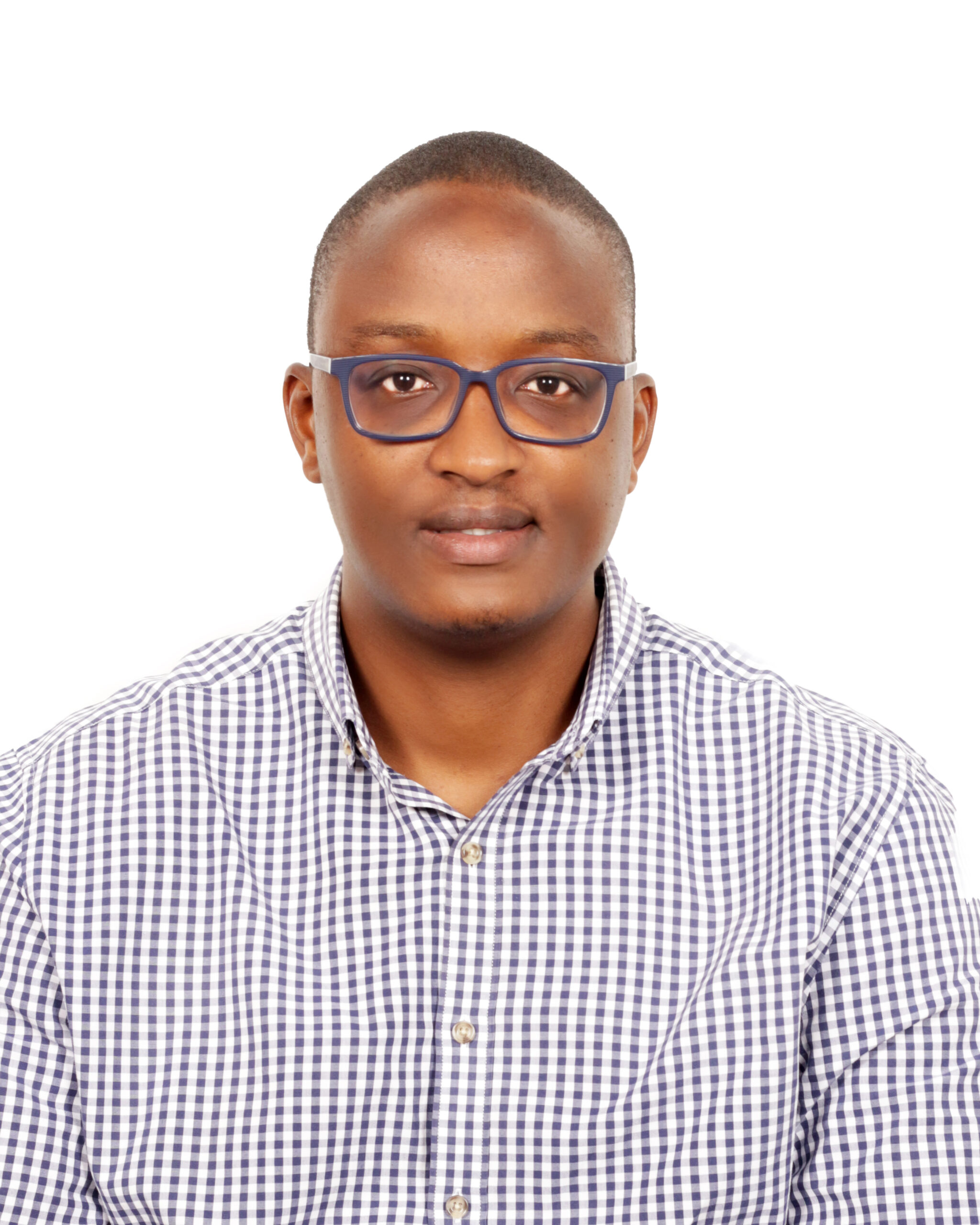
The Writer is the Client Relationship Manager, Octagon Uganda Limited