

The Bank of Uganda (BoU) has unveiled a three-year pilot programme to buy domestically mined gold, marking astrategic shift aimed at strengthening the country’s foreign exchange reserves while bringing order to the largely informal gold sector.
The central bank said it had already begun test purchases under the Domestic Gold Purchase Programme on April 17, 2026.
At the heart of the initiative is a plan to reduce reliance on traditional reserve assets by adding locally sourced gold to Uganda’s reserve mix.
“This programme aims to build and diversify Uganda’s foreign exchange reserves by purchasing and processing domestically mined gold,” BoU said.
Officials say the move will not only bolster reserve adequacy but also cushion the country against risks linked to conventional reserve instruments.
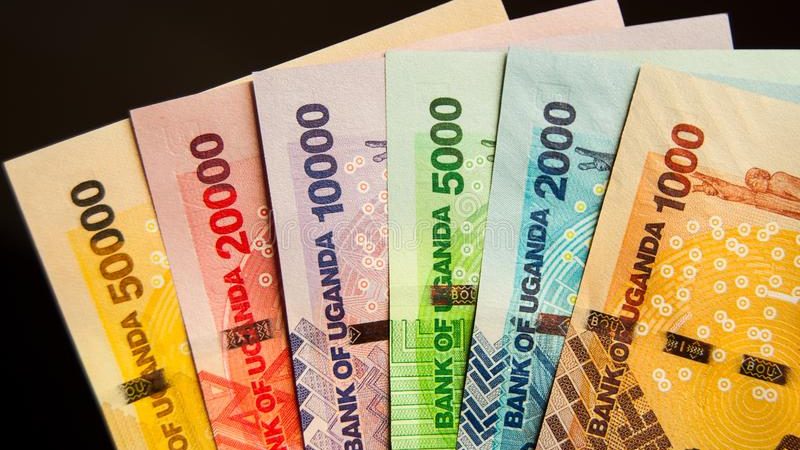
Under the new arrangement, BoU will buy gold directly from prequalified licensed miners, paying in Uganda shillings at internationally benchmarked prices, a move expected to inject liquidity into the local mining economy.
The gold will undergo assaying at designated refineries before being stored by the central bank and later refined to meet international monetary standards.
Once certified, it will formally become part of Uganda’s official reserves.
But beyond reserve accumulation, the programme signals a broader policy push one that seeks to formalise gold trade, boost value addition, and tighten oversight across the supply chain.
BoU said the initiative is underpinned by a strict chain-of-custody framework designed to track gold from mine to market, helping curb illicit trade and improve transparency.

Developed with the Ministry of Energy and Mineral Development, the traceability system aligns with regional certification requirements under the International Conference on the Great Lakes Region (ICGLR), which targets illegal mineral flows.
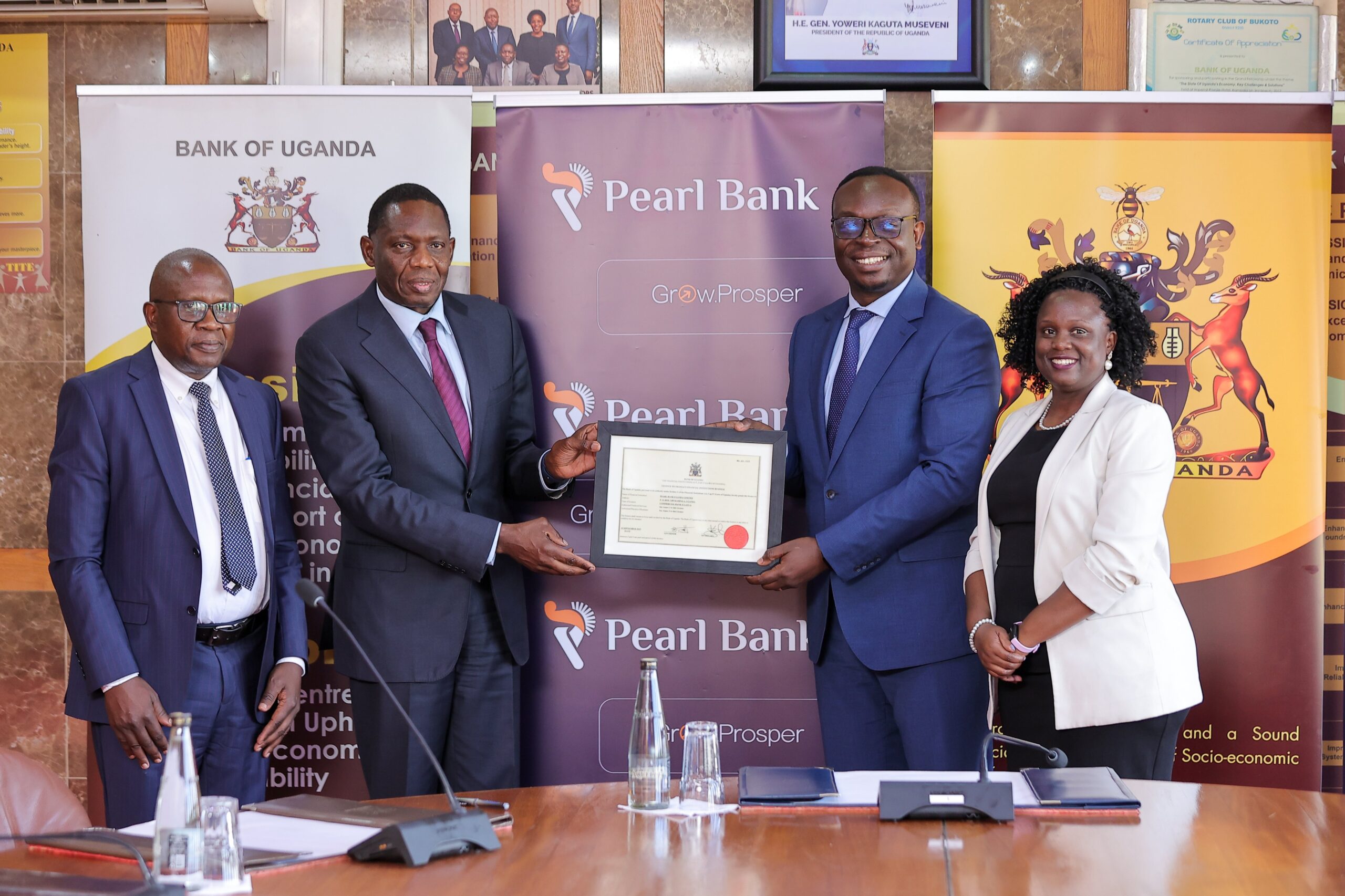
To meet compliance standards, the central bank has secured a Mineral Dealer’s Licence and registered with the Financial Intelligence Authority to ensure adherence to anti-money laundering and counter-terrorism financing regulations.
The pilot phase, expected to run for three years, will allow BoU to fine-tune operations, strengthen safeguards, and draw lessons before a possible scale-up.
The rollout follows months of groundwork by a high-level inter-agency team bringing together institutions such as the Uganda Revenue Authority, Ministry of Finance, National Environmental Management Authority, and the Uganda National Mining Company.
According to BoU, this collaboration has produced a detailed operational framework covering governance, risk management, compliance, and traceability systems.
Uganda now joins countries like Ghana and Tanzania that are increasingly turning to domestic gold production as a strategic reserve asset.
The central bank says the initiative also feeds into the government’s ambitious 10-fold growth strategy, positioning mineral development as a key driver of economic transformation.
“The Bank of Uganda remains committed to implementing the programme in a prudent, transparent and accountable manner,” the statement said.