
NIC Life Assurance, in partnership with Spades Insurance Brokers, has paid Shs30 million to the family of a Ugandan migrant worker who died in Dubai, highlighting the importance of insurance protection for Ugandans seeking employment abroad.
The payment was made under the Uganda Migrant Workers’ Insurance Scheme (UMWIS), an insurance product offered by NIC Life Assurance to protect Ugandan migrant workers against risks they may face while working abroad.
The beneficiary, Sadiq Bakole, 30, from Arua, travelled to Dubai in November 2025 in search of employment opportunities. He died in December 2025, barely a month after arriving in the United Arab Emirates.
Before travelling, Bakole had enrolled in the Uganda Migrant Workers’ Insurance Scheme, providing financial protection that has now enabled his family to receive compensation following his death.
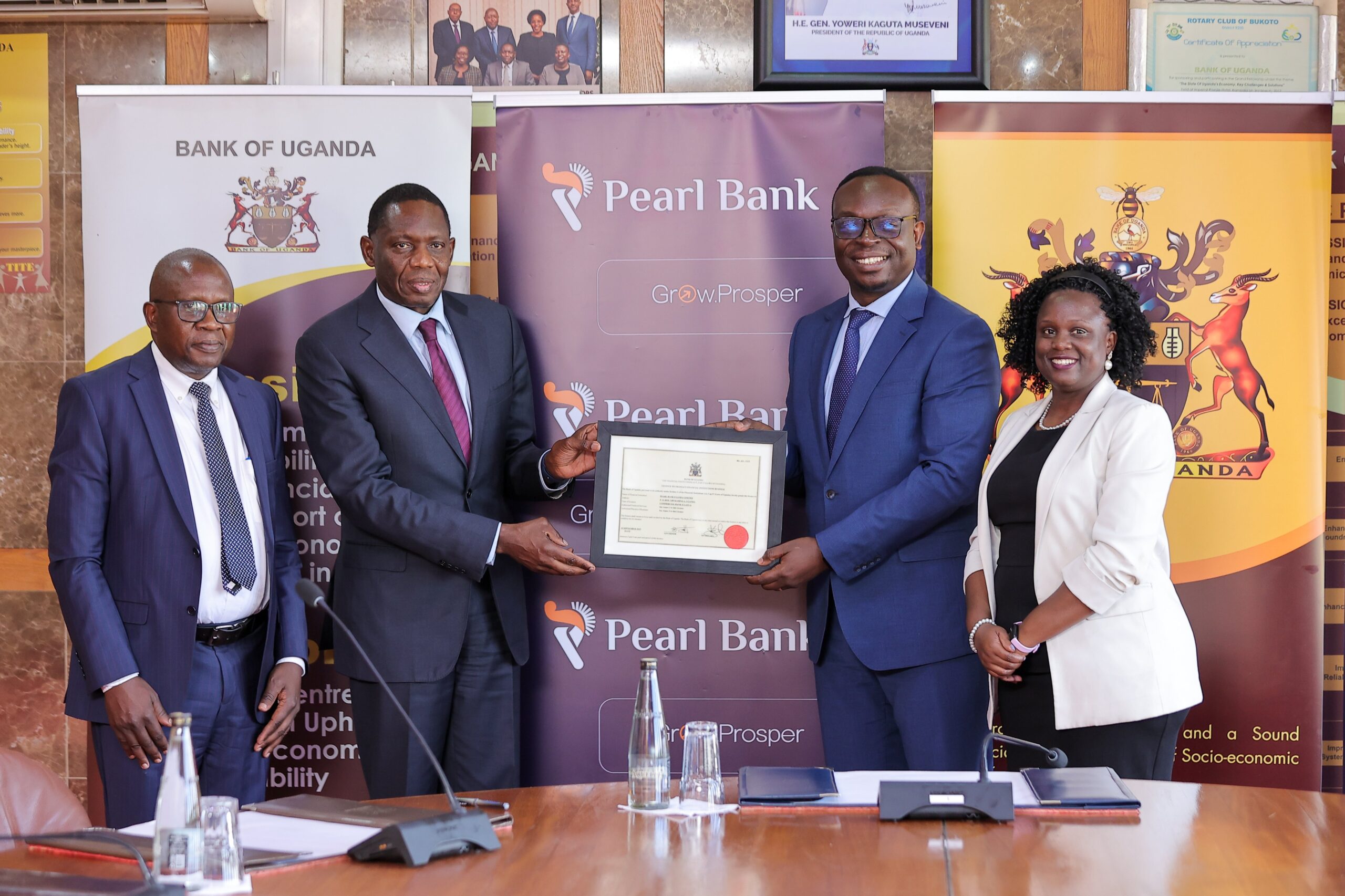
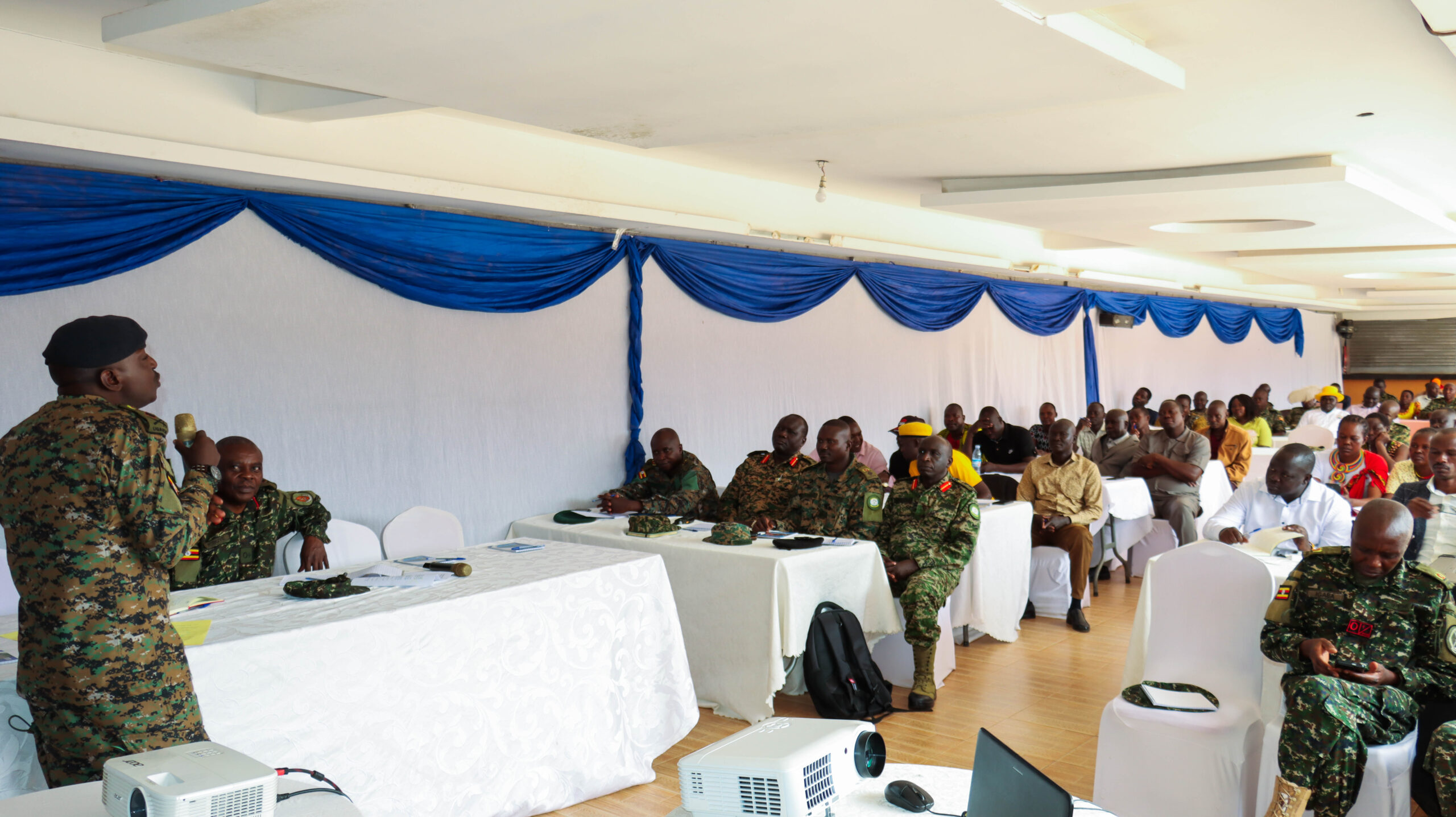
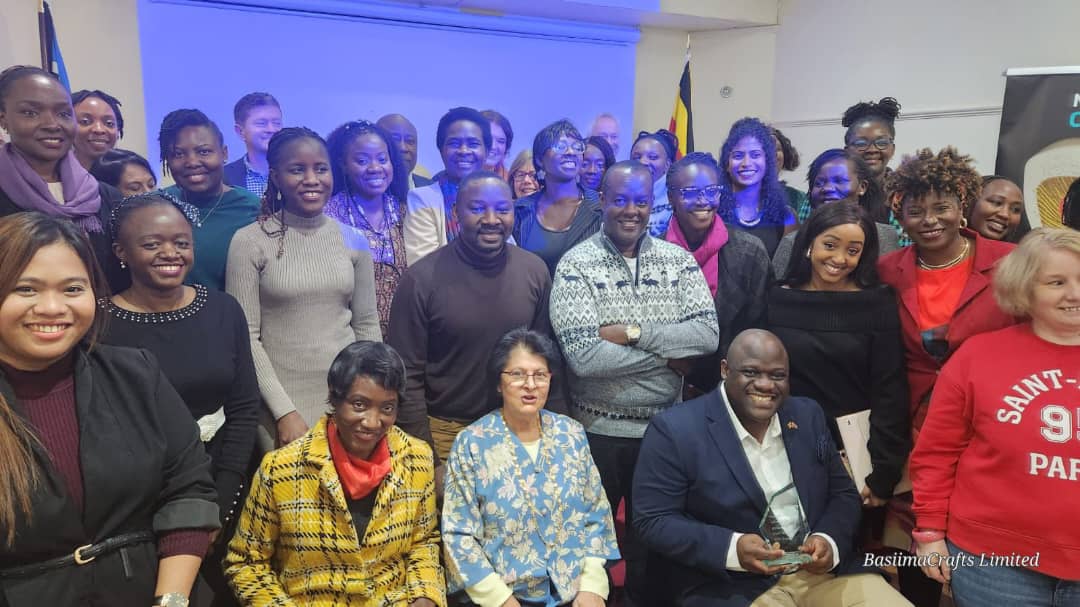
The claim was formally handed over to the family during a press conference at NIC Life Assurance headquarters in Kampala on Thursday.
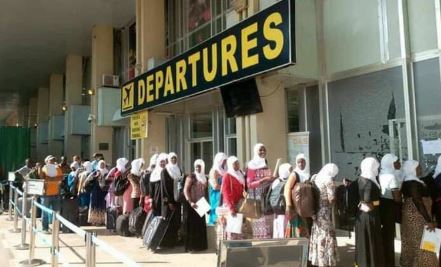
The payout comes amid a significant increase in the number of Ugandans seeking employment and economic opportunities overseas.
Official Ministry of Gender, Labour and Social Development data indicates that 317,555 Ugandans formally secured employment in the Middle East in the 10 years to December 2024, with Saudi Arabia, the United Arab Emirates and Qatar among the leading destinations. Women accounted for approximately 84 per cent of the formally externalised workers.
More recent ministry statistics show that 244,794 Ugandan migrant workers were formally externalised between 2020 and 2024 alone, including 215,970 to Saudi Arabia, 12,503 to the UAE and 11,524 to Qatar.
Beyond migrant workers, Uganda also has a substantial global diaspora. The Ministry of Foreign Affairs has previously cited UNDP estimates indicating that more than two million Ugandan citizens live and work abroad, highlighting the scale and importance of the country’s diaspora community.
The growing movement of Ugandans across borders has created employment opportunities and significant economic benefits for families and the country. However, it also exposes travellers and migrant workers to risks including illness, accidents, permanent disability and death while thousands of kilometres away from their families.
NIC Life Assurance says these realities make insurance protection an increasingly important consideration for Ugandans travelling abroad.
Speaking during the claim handover, Anthony Lubandi, the chief executive officer of NIC Life Assurance, said insurance should not be viewed as an optional expense when Ugandans travel overseas for work, but as an important financial protection mechanism for both the traveller and the family left behind.
“When someone leaves Uganda to work abroad, it is usually because they want to improve the lives of the people they leave behind. Unfortunately, life is unpredictable. Insurance ensures that when the unexpected happens, the family does not have to face both the emotional loss of a loved one and an overwhelming financial burden at the same time,” Lubandi said.
Lubandi noted that repatriating the body of a Ugandan who dies abroad can cost families Shs15 million to Shs20 million or more, an amount that many households may struggle to raise at short notice.
“Not many families can suddenly raise fifteen or twenty million shillings to bring home the body of a loved one. The Migrant Workers’ Insurance Scheme addresses that risk. For approximately Shs10,000 per month, should the worst happen, there is protection to facilitate repatriation and enable the family to give their loved one a dignified farewell,” he said.
In addition to repatriation support, the policy provides a Shs30 million death benefit to eligible beneficiaries.
Lubandi emphasised that the compensation cannot replace a life, but can provide a financial cushion for families that may suddenly lose a breadwinner.
“The Shs30 million is not intended to put a value on someone’s life. No amount of money can replace a husband, wife, son, daughter, brother or sister. It is there to help the family adjust financially because, in many cases, the person who has passed away was supporting parents, children and other dependants,” he said.
The scheme also provides protection against other insured risks, including injuries, permanent disability and critical illness, while eligible workers who declare their children during registration may access an education-related benefit, subject to the terms of the policy.
Chris Ssengendo, managing director of Spades Insurance Brokers, said Bakole’s claim demonstrates the practical value of taking insurance before travelling abroad.
“When Sadiq enrolled in the scheme, neither he nor his family expected that they would need to make a claim so soon. Unfortunately, he passed away. At that point, NIC Life as the insurer and Spades Insurance Brokers had a responsibility to honour the protection that had been promised to him,” Ssengendo said.
Ssengendo said the insurer and broker subsequently contacted the family and initiated the claims process.
“Today, we are able to demonstrate that this is not insurance that exists only on paper. A promise was made to this migrant worker before he travelled, and that promise has been honoured when his family needed it most,” he said.

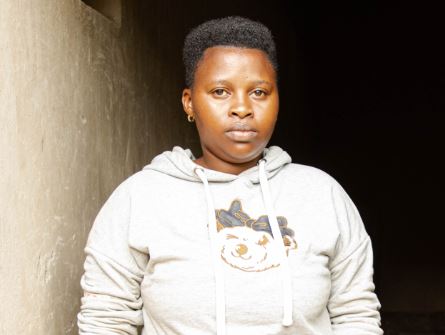
Bakole’s elder brother, Sadiq Bakit, said the family had expected Bakole’s journey to Dubai to create new opportunities for the household.
Bakole had previously worked in South Sudan for approximately five years before raising enough money to travel to Dubai in search of better economic opportunities.
“He travelled abroad looking for an opportunity to support the family. Unfortunately, he had only been in Dubai for about a month when we received the news that he had passed away,” Bakit said.
The family later learnt that Bakole had taken insurance before travelling, enabling them to benefit from the protection provided under the scheme.
According to NIC Life and its partners, approximately 4,500 Ugandan migrant workers have enrolled in the insurance scheme since it was introduced two years ago.
Over the same period, more than Shs276 million has been paid in claims and benefits to migrant workers and their families.
NIC Life says these payments demonstrate that migrant-worker insurance is not theoretical protection but a financial safety net that responds when insured events occur.
The scheme provides benefits of up to Shs50 million, depending on the insured event and applicable policy terms, covering areas including death, repatriation, burial expenses, injuries, permanent disability and critical illness.
A migrant worker can access two years of cover for a premium of approximately Shs250,000, equivalent to about Shs10,000 per month over the coverage period.
NIC Life is calling for greater collaboration between government, recruitment companies, insurance providers, migrant-worker organisations and other stakeholders to ensure that Ugandans travelling abroad for employment have adequate insurance protection before departure.
Lubandi said the company would welcome measures that make insurance a standard part of the migrant-worker externalisation process.
“Our appeal is for every Ugandan leaving the country for work to have appropriate insurance protection. The cost of protection is relatively small when compared with the financial consequences that can arise when an emergency occurs thousands of kilometres away from home,” he said.
He further called for consideration of measures that would make appropriate migrant-worker insurance effectively mandatory within the formal labour externalisation process.
The need for protection is particularly significant given the scale of Uganda’s migrant labour corridor. Ministry of Gender data shows that Saudi Arabia remains Uganda’s largest formal migrant-work destination, followed by the UAE and Qatar.
The Government’s External Employment Management Information System already monitors Ugandans working abroad and provides information on approved recruitment companies and approved external employment opportunities.
NIC Life also encouraged Ugandans travelling internationally for other purposes to consider appropriate insurance before departure.
Whether travelling for employment, education, business or extended stays abroad, unexpected medical emergencies, accidents and other unforeseen events can create significant financial obligations for travellers and their families.
The insurer therefore urged Ugandans to make insurance part of their travel planning alongside passports, visas, tickets, accommodation and other preparations.
“We insure our cars, homes and businesses because we understand that unexpected events happen. The same thinking should apply when we travel or move abroad. Protecting yourself also means protecting the people who depend on you,” Lubandi said.
NIC Life Assurance Company Limited is a provider of life insurance and financial protection solutions in Uganda. The company provides insurance solutions designed to protect individuals, families, employees and organisations against financial risks arising from unforeseen life events.
Through the Uganda Migrant Workers’ Insurance Scheme, NIC Life Assurance provides insurance protection designed around the particular risks faced by Ugandans travelling overseas for employment.