

The Ministry of Lands, Housing and Urban Development has lifted the suspension on issuing special certificates of title, introducing stricter verification procedures intended to protect landowners from fraud, impersonation and competing ownership claims.
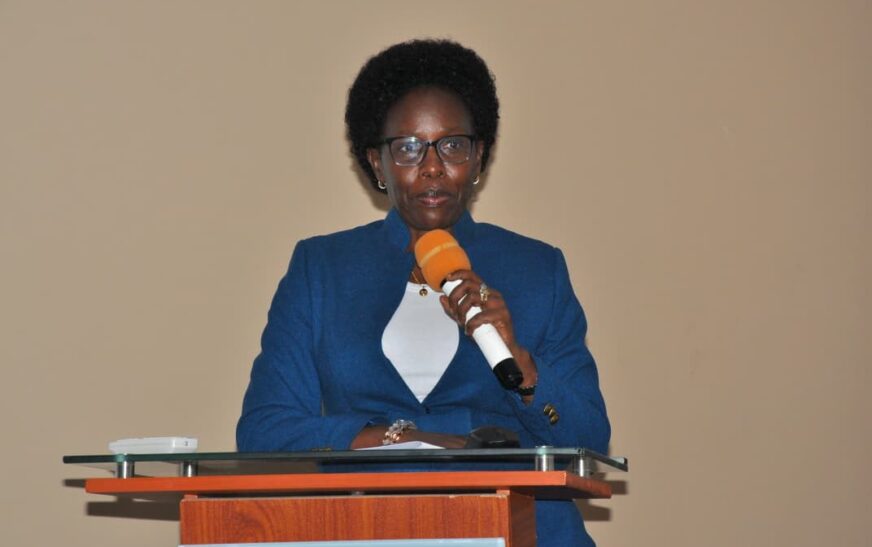
Lands minister Judith Nalule Nabakooba announced the lifting of the suspension on October 20, more than two months after the ministry halted the issuance of the documents following complaints that people were losing their properties through fraudulent applications.
The new guidelines require applicants seeking replacement titles to undergo additional verification, including land inspections, local council reports and public notices to give potentially affected landowners an opportunity to challenge applications before certificates are issued.
“This was due to public outcry where a number of innocent persons were losing their properties under the guise of special certificates of title,” Nabakooba said while presenting the guidelines.
The ministry suspended issuance on August 14, 2026, amid concerns that the process for replacing lost, destroyed or damaged duplicate certificates of title was being exploited to facilitate fraudulent land transactions.
Section 69 of the Registration of Titles Act provides for the issuance of special certificates where a duplicate title has been lost, destroyed or rendered unusable. However, Nabakooba said the law did not explicitly provide sufficient procedural safeguards to address loopholes that could be exploited by fraudsters.
The revised guidelines seek to standardise applications, strengthen due diligence and preserve the integrity of the land register.
Under the new procedures, applicants seeking replacement titles for lost or destroyed documents must submit a statutory declaration, proof of payment of the prescribed fees, a copy of their national identity card, passport photographs and a police form reporting the loss.
They must also provide a report from the Local Council I committee, an inspection or boundary-opening report, and evidence of public notification through a Gazette notice, a newspaper advertisement and local notices.
For titles that have been obliterated, applicants must submit the damaged duplicate certificate alongside the application and supporting documents.
The ministry has also introduced measures requiring greater public scrutiny before a special certificate is issued.
Under the guidelines, notices for applications under Section 69 must be published in the Uganda Gazette for at least 30 days. Notices must also be displayed at the relevant sub-county, on the Local Council I noticeboard and on the land in question for the same period.
The ministry will additionally publish a monthly list of applications in a newspaper of wide circulation and display details on its website, including the affected parcels and applicants.
The notices must identify the land, the applicant, the application date and relevant register particulars, including at least three previous transactions where applicable.
The measures are intended to alert people with legitimate interests in the land before a replacement title is issued.

The guidelines also establish a formal objection process. Anyone claiming an interest in the property or alleging fraud, impersonation, double sale, competing ownership or other material irregularities may submit a written objection to the registrar within the applicable notice period.
The registrar will then summon the parties for a hearing and make a ruling on the objection.
Land inspections and boundary-opening exercises must be conducted by a government surveyor and a registrar of titles or land officer, in the presence of the Local Council I committee, which must have a quorum of five members.
The inspection report must document those present, the property’s developments, occupation and use, as well as the circumstances surrounding the application.
For applications arising from court orders, the guidelines require the applicant to submit a formal letter and a certified copy of the order. The registrar must verify the order with the court that issued it before proceeding.
Additional requirements apply where executors or administrators of deceased persons’ estates seek special certificates. They must provide probate or letters of administration, an inventory and a copy of the relevant petition, alongside other supporting documents.
The guidelines further require registrars to establish that the original title was genuine, the applicant is properly identified and legally authorised to apply, and the loss or destruction has been sufficiently demonstrated.
Registrars must also confirm that relevant transactions and encumbrances have been identified, notice requirements have been met and no unresolved legal matter prevents issuance.
Every decision to approve, defer, reject or suspend an application must be documented with reasons, while the issuance of a special certificate must be recorded in the register book.
Nabakooba said the ministry would undertake wider consultations with stakeholders as it moves to translate the guidelines into regulations.
The changes come amid longstanding concerns over land disputes and fraudulent transactions in Uganda, where disputes over ownership, overlapping claims and the manipulation of land records have exposed property owners to costly legal battles.
The ministry hopes the revised procedures will strengthen confidence in the land registration system while allowing legitimate owners to replace missing or damaged titles.
The lifting of the suspension means applications can resume, but applicants will be required to comply with the new safeguards governing verification, notification, objections and approval.