
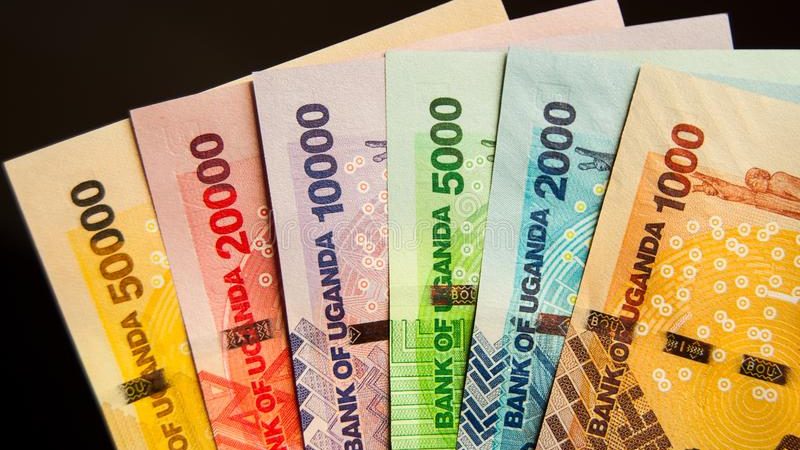
The Uganda shilling posted modest gains last week, supported by strong inflows from commodity exporters, remittances and non-governmental organisations, which offset demand for foreign exchange from corporate players.
According to Richard Nsubuga, Acting Head of Trading, CIB Markets at Absa Bank Uganda, the local unit traded at 3,725/3,735 on Friday morning, compared to 3,745/3,755 at the close of the previous week.
Market sentiment was further boosted by easing tensions in the Middle East, which provided additional support to the shilling.
Looking ahead, Nsubuga said the currency’s performance will largely depend on corporate demand and geopolitical developments, particularly in the Middle East. In the near term, the shilling is expected to trade within the 3,650–3,820 range against the US dollar.
He noted that the money market remained liquid, with overnight and one-week rates averaging between 6.75 per cent and 10.00 per cent. The Bank of Uganda mopped up Shs 1.293 trillion through open market operations to manage liquidity.
Yields at Wednesday’s Treasury bill auction edged lower, with the 182-day and 364-day tenors declining by 15 and 50 basis points respectively, driven by strong investor demand amid ample liquidity.
The 182-day and 364-day papers cleared at 10.249 per cent and 11.00 per cent, down from 10.400 per cent and 11.501 per cent at the previous auction, while the 91-day paper remained unchanged at 10.002 per cent.
The Ministry of Finance accepted bids worth Shs 381.086 billion against an offer of Shs 350 billion, reflecting an acceptance rate of 109 per cent and underscoring robust investor appetite.
Regionally, the Kenyan shilling also strengthened, with USD/KES trading lower at around 129.35/40, supported by increased dollar inflows from NGOs, remittances and offshore investors ahead of an upcoming infrastructure bond auction.

On the global commodities market, Brent crude rose to about $83 per barrel, driven by rising tensions in the Strait of Hormuz, which heightened concerns over supply disruptions.
Reports indicated that Iran targeted what it described as hostile positions in the strait following explosions near Qeshm Island, adding uncertainty to plans aimed at restoring normal shipping operations.
Meanwhile, the US Dollar Index held steady at around 99.95 as investors remained cautious ahead of key US employment data, which is expected to guide the Federal Reserve’s next policy decision.
The euro traded at approximately $1.152, while the British pound weakened slightly to around $1.344 amid ongoing geopolitical uncertainty.
Gold prices remained elevated above $4,250 per ounce, hovering near a seven-week high, supported by easing energy prices and expectations of a less aggressive monetary tightening path by the US Federal Reserve.
Analysts say developments in global energy markets and diplomatic efforts in the Middle East will continue to influence investor sentiment and currency movements in the near term.