
Electric mobility firm Spiro has released its first Sustainability Report, outlining the company’s environmental, social and economic impact as it expands clean transport solutions across Africa.
The report provides the company’s first comprehensive assessment of its operations, establishing a baseline for measuring progress as Spiro scales up electric vehicle infrastructure, battery-swapping networks and affordable mobility solutions on the continent.
Spiro said the report demonstrates its commitment to integrating sustainability into its business model, with the company setting a target of achieving net-zero Scope 1 and Scope 2 emissions by 2040.
The company also projects that its electric mobility ecosystem will help prevent the release of about 700,000 tonnes of carbon dioxide emissions annually by 2030 as more users shift from petrol-powered motorcycles to electric alternatives.
Gagan Gupta, founder of Spiro and chairman of Equitane, said the company’s sustainability agenda was shaped by his experience witnessing the effects of vehicle emissions on public health and urban environments.
“Having grown up in India, I have witnessed firsthand the impact of vehicle emissions on public health and urban environments. At Spiro, our responsibility as founders is not only to scale innovation, but to ensure that the systems we build endure economically, socially and environmentally for generations to come,” Gupta said.
Anant Badjatya, Spiro’s Group Chief Executive Officer, said the report reflects the company’s growth and its efforts to measure and improve its impact as it expands across Africa.
“This report reflects how far Spiro has come, not only in terms of growth, but in our ability to measure and improve our impact. As we expand across Africa, sustainability will remain a core business driver, shaping how we invest, manufacture, innovate and partner for the long term,” Badjatya said.
The report shows that Spiro conducted its first end-to-end greenhouse gas inventory, covering Scope 1, Scope 2 and Scope 3 emissions across its operations and value chain.
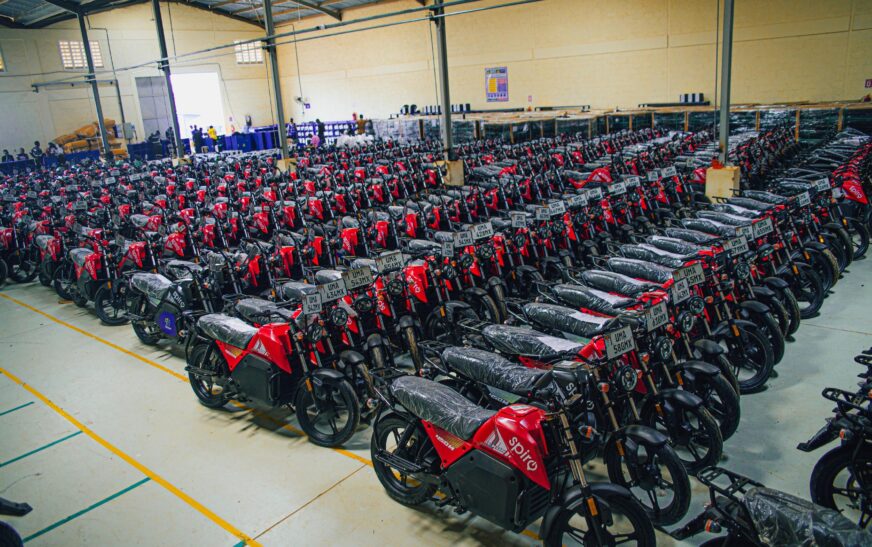
The company said efficiency measures introduced at its assembly facilities last year resulted in an estimated 15 to 25 per cent reduction in energy consumption, supporting efforts to lower its environmental footprint.

Imtinen Hamlaoui, Spiro’s Head of ESG and Sustainability, said establishing a sustainability baseline would enable the company to track progress, set measurable targets and improve transparency.
“By establishing our first comprehensive ESG baseline, including Scope 1, 2 and 3 emissions, we are creating the foundations needed to track progress, set measurable targets and strengthen transparency as Spiro continues to scale across Africa,” Hamlaoui said.
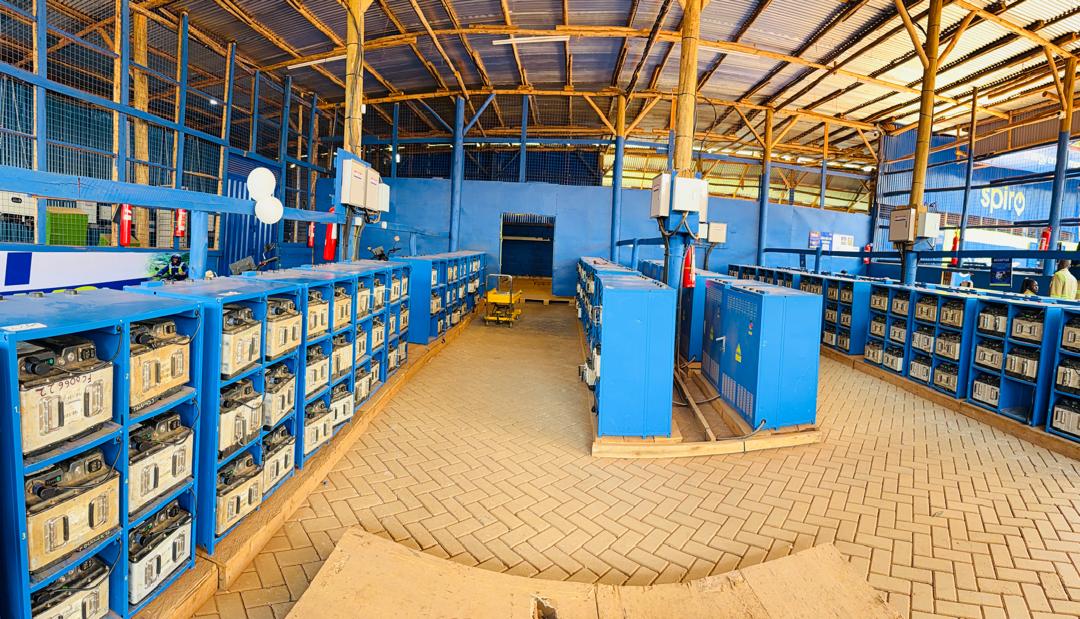
The company said it is also exploring the installation of 80 to 125 KVA solar power solutions at selected battery-swapping stations to strengthen energy resilience and reduce reliance on national grids.
Beyond environmental commitments, Spiro highlighted its investment in skills development and local industrial capacity through the Spiro Academy, which trained more than 4,000 people across Africa in 2025.
The training programmes focused on electric vehicle maintenance, battery management and technical operations, with the company also pointing to Africa’s first women electric motorcycle assembly line as part of efforts to promote workforce inclusion.
Spiro said the growth of electric mobility is also delivering economic benefits, particularly for commercial riders who use its motorcycles.
According to the report, riders using Spiro electric motorcycles can reduce operating costs by between 70 and 80 per cent compared with petrol-powered alternatives due to lower maintenance expenses and reduced exposure to fuel price fluctuations.
The company said the sustainability report will serve as a foundation for future reporting as it continues its expansion of clean transport infrastructure across Africa.