
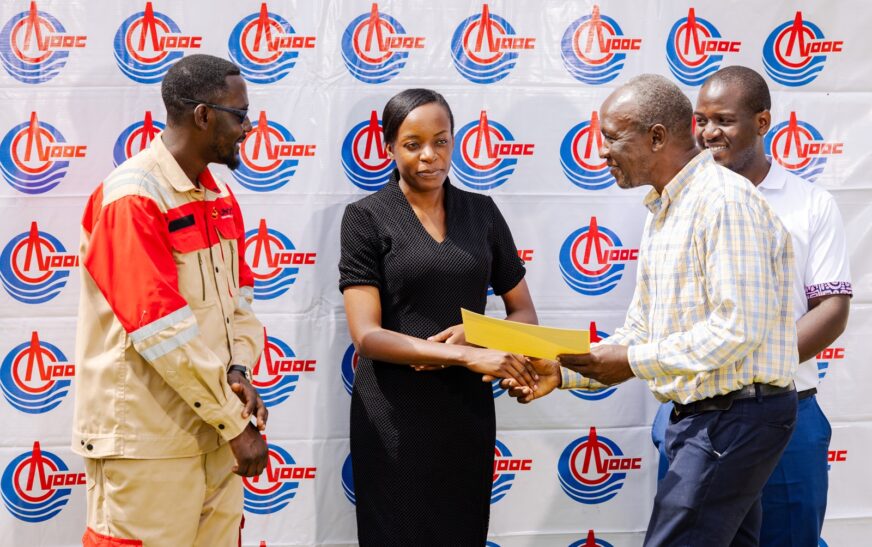
CNOOC Uganda Limited has trained 413 vocational instructors in industry-related skills, in a move aimed at strengthening Uganda’s capacity to produce a skilled workforce for the petroleum sector and other industries.
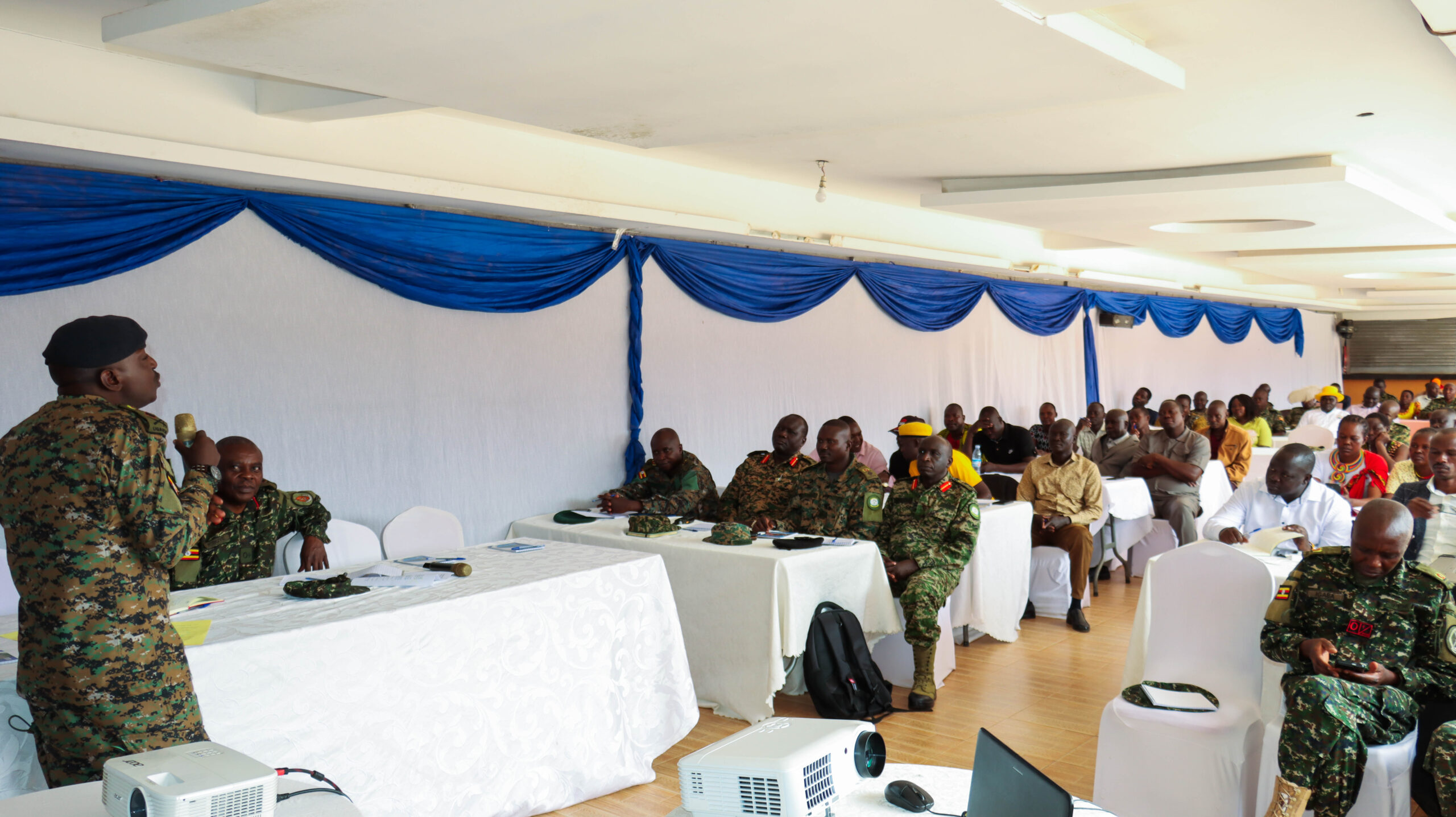
The latest beneficiaries are 168 lecturers and vocational trainers from 29 vocational training institutions who graduated after completing the company’s Train-the-Trainer Programme, implemented under its National Content Skilling and Capacity Development agenda for the Kingfisher Development Project.
The programme, conducted in partnership with Q-Training Limited, seeks to bridge skills gaps in vocational institutions by equipping instructors with practical, industry-relevant knowledge that they can pass on to students preparing to enter the job market.
The latest training was conducted in Kampala and covered seven technical areas, including mechanical engineering, electrical engineering, instrumentation engineering and process control, welding certification, quality control inspection, non-destructive testing operations and scaffolding.
Speaking on behalf of the graduates, Keuber Deogratius, a welding and fabrication trainer at Kiryandongo Vocational Training Institute, said the programme had strengthened their ability to deliver practical training and prepare students for workplace demands.
He said the initiative would have a wider impact because the graduates would transfer the acquired skills to successive groups of students, helping expand the country’s pool of skilled workers.
Eric Jumba Daniel, CNOOC Uganda Limited’s national content manager, commended the graduates for completing the intensive training, saying strengthening vocational institutions was critical to developing a sustainable workforce for Uganda’s industrial sectors, including oil and gas.
“Our goal is to ensure that Ugandans are not only participants but leaders in the oil and gas sector. We will continue to invest in the skilling of Ugandans, enterprise development and support, employment opportunities for nationals, and technology transfer to build sustainable capacity for the future,” he said.

With the latest graduation, the number of vocational instructors trained under the programme has risen to 413, creating a network of trainers expected to pass industry-related skills to thousands of Ugandans.
The initiative is part of CNOOC’s broader national content programme, which targets the development of local expertise and participation in the petroleum industry.
Other interventions include providing information technology laboratory equipment and computers for simulations and modelling at training institutions such as Uganda Petroleum Institute Kigumba. The company has also supported practical learning through the provision of a drilling rig.
Under its wider skills development initiatives, CNOOC says it has trained 250 vocational skills trainees, 360 heavy goods vehicle drivers, 580 welders in 6G and 3G arc welding certification, and 90 heavy equipment and heavy lifting operators.
The investments are intended to improve access to employment opportunities for Ugandans while supporting technology transfer, enterprise development and the growth of local capacity to serve the petroleum industry and other sectors of the economy.